Gardening Basics
How and When to Deadhead
Deadheading works because it interrupts seed set. Which plants respond, which do not, and where to make the cut.
The Garden Magic Hub
- Level
- Beginner
On this page
What it is and why it works
Deadheading is removing spent flowers before they set seed. Iowa State Extension describes it as removing dying flower heads from annuals, biennials, perennials and flowering shrubs.
The mechanism is straightforward. A plant’s biological purpose in flowering is to produce seed. Once seed is developing, the signal to keep flowering weakens and the plant begins shutting down its bloom cycle. Remove the developing seed and the plant tries again.
That is why it works on some plants dramatically and on others not at all.
Where to cut
Cut back to just above a leaf, a node, or a developing side bud — not just the petals.
Snapping off the coloured part leaves the developing seed capsule behind, which defeats the point entirely. On many plants the swelling ovary sits directly beneath the petals and is easy to miss.
On plants that produce a flower spike, cut the whole spike back to the base or to the first strong side shoot. On plants that flower on individual stems, follow the stem down to the first healthy leaf.
Plants that respond well
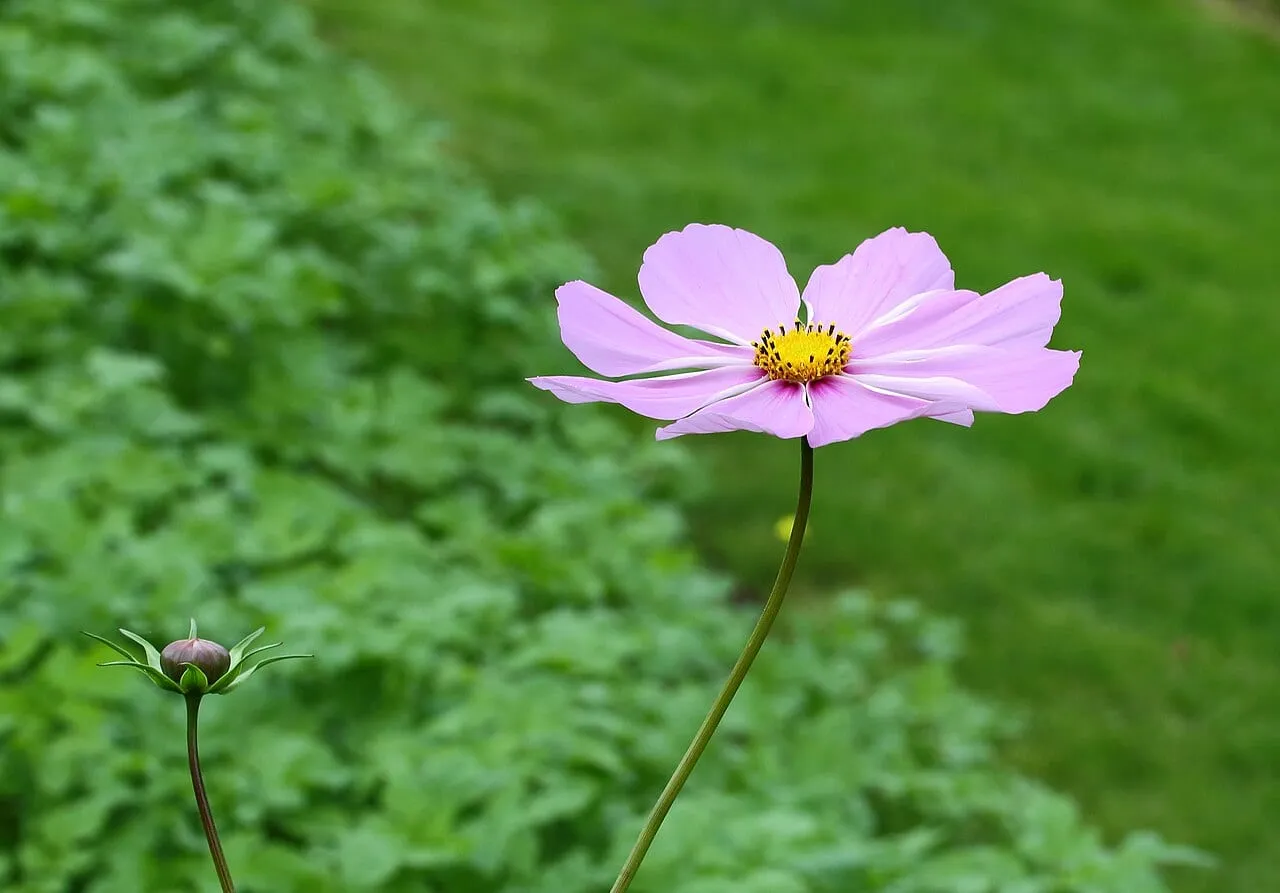
Repeat-flowering annuals are the best candidates: cosmos, zinnias, marigolds, petunias, sweet peas and dahlias will keep producing for weeks longer if you stay on top of them.
Many perennials give a second, smaller flush: salvia, catmint, delphinium, coreopsis and repeat-flowering roses among them.
Sweet peas are the extreme case. Allow a few pods to form and the plant stops flowering within days.
Plants not to deadhead
Anything that flowers once and does not repeat. Deadheading a peony or a single-flush rose tidies the plant but produces no more flowers.
Anything grown for its seed heads or fruit. Rose hips, honesty, alliums, ornamental grasses and teasels all earn their keep after flowering.
Anything you want to self-seed. Foxgloves, poppies, aquilegia and hellebores all need seed to maintain a population.
Anything feeding wildlife. Seed heads left standing through winter are a genuine food source for birds, and hollow stems shelter overwintering insects. There is a real trade-off here between tidiness and habitat, and it is worth making deliberately rather than by default.
Bulbs are a special case
Deadhead spring bulbs — remove the faded flower so the plant does not spend energy on seed — but leave the foliage alone.
The leaves are recharging the bulb for next year. Cutting, folding or tying them prematurely reduces next spring’s display. Let the foliage yellow and die back naturally before removing it, which usually takes about six weeks after flowering.
A realistic approach
Deadheading is maintenance, not rescue. Little and often beats one heroic session — five minutes with secateurs every few days through the flowering season keeps annuals going far longer than an hour once a month.
And it is entirely reasonable to deadhead the front of a border and leave the back standing for the birds.
- deadheading
- pruning
- flowering
- maintenance