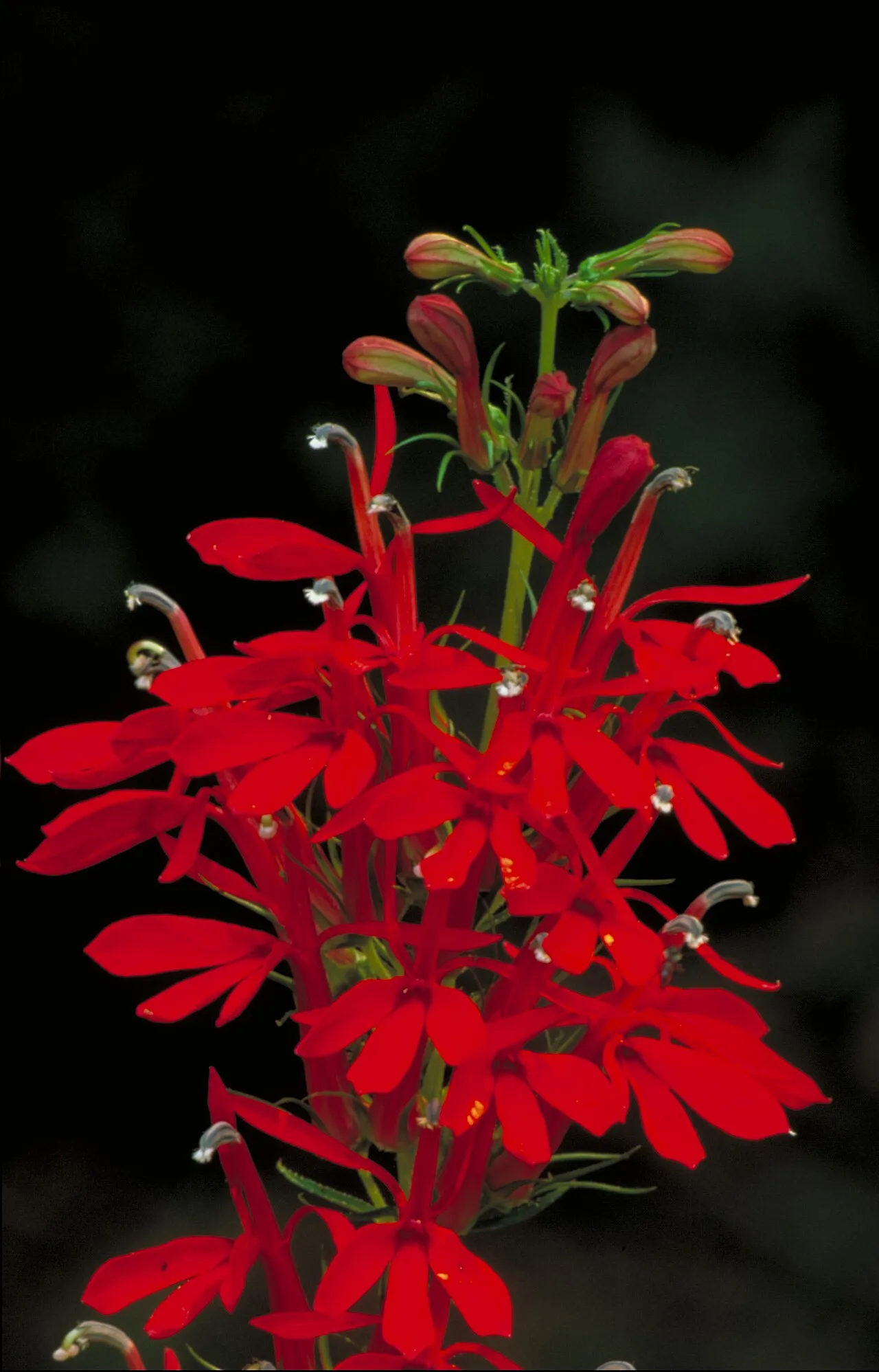
How to Grow and Care for Cardinal Flower
The best native hummingbird plant in the eastern US — and a wetland species that must never dry out. Here is how to site it and keep it going.
Category
Gardens that feed something besides you — pollinators, birds and beneficial insects, and the plants that draw them in.
16 articles
The best native hummingbird plant in the eastern US — and a wetland species that must never dry out. Here is how to site it and keep it going.
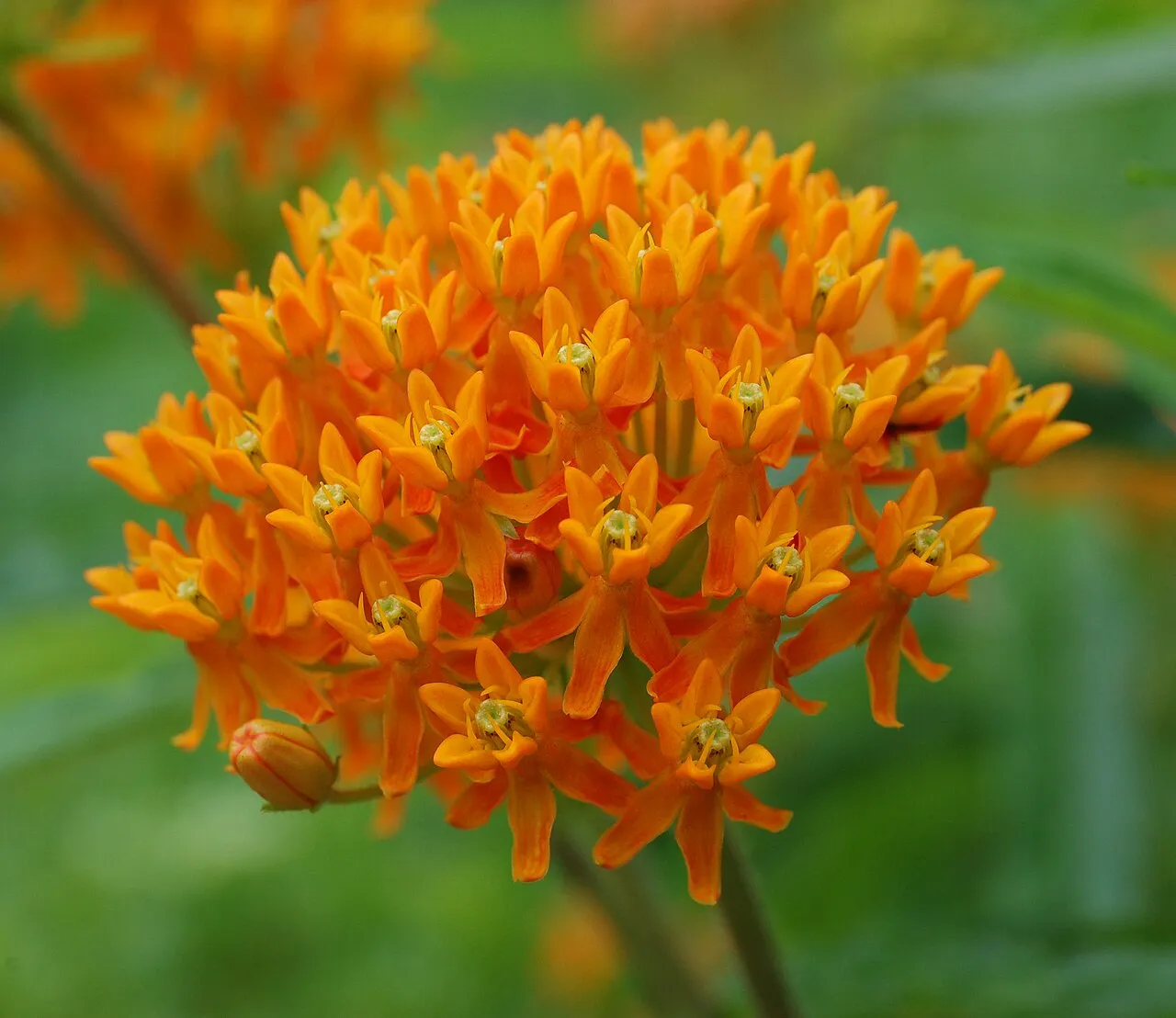
The native milkweed to plant instead of tropical milkweed. Drought tolerant, deer resistant, and a monarch host — but its taproot means you only get one chance to site it.
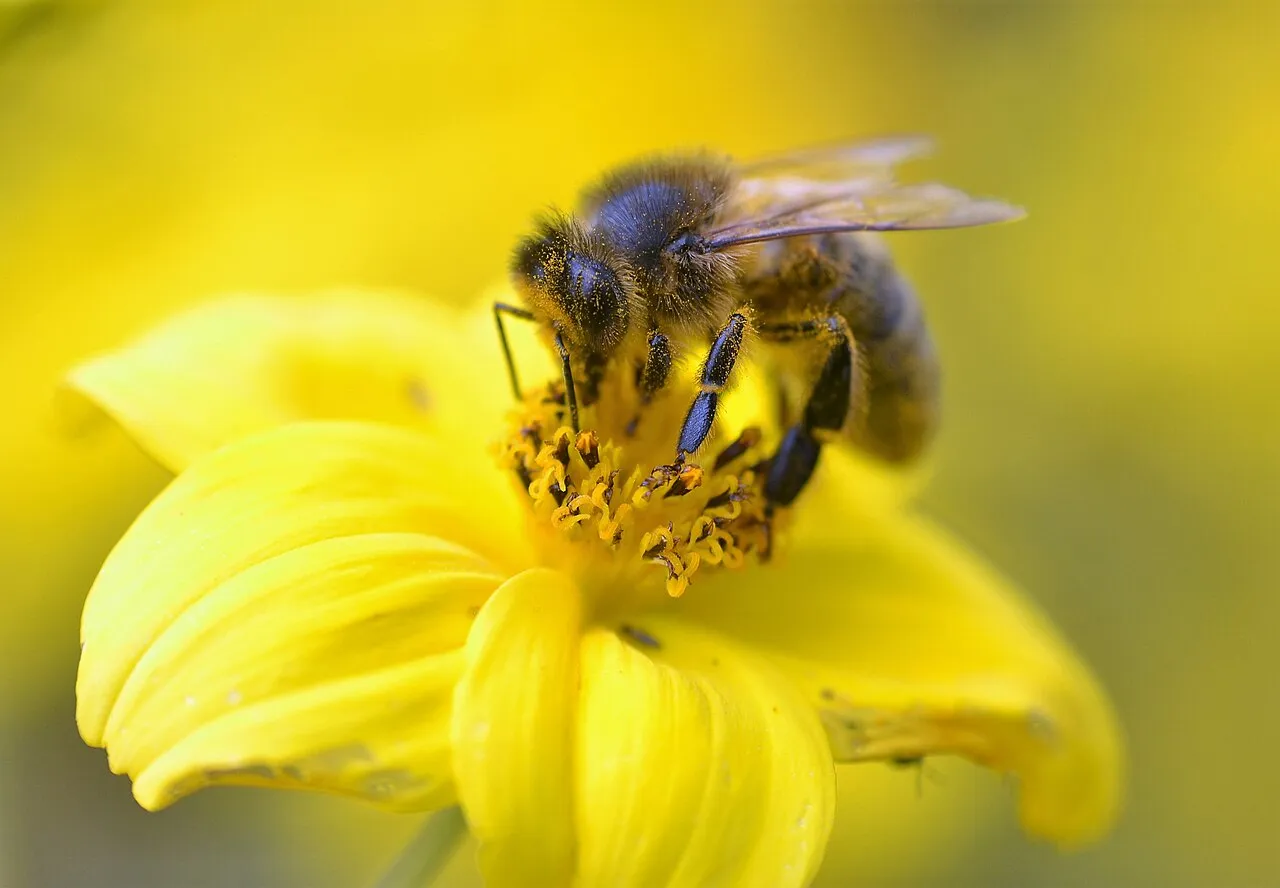
A heat and drought tolerant annual that flowers all season without deadheading — and, unusually for a garden-centre bedding plant, a species native to the lower 48.
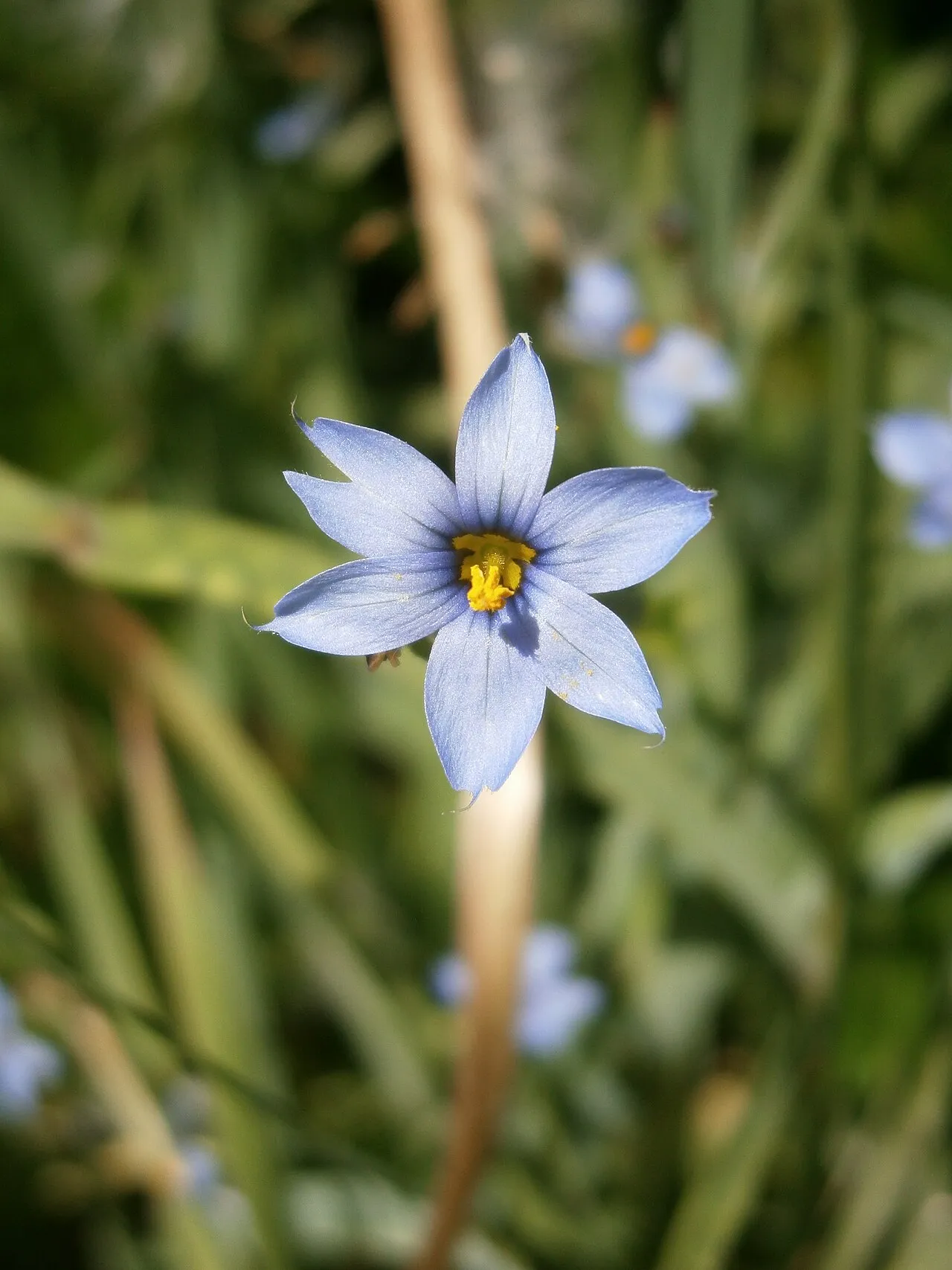
Blue-eyed grass is not a grass — it is a miniature native iris. Easy, tough and long-flowering, provided you cut it back before it seeds itself everywhere.
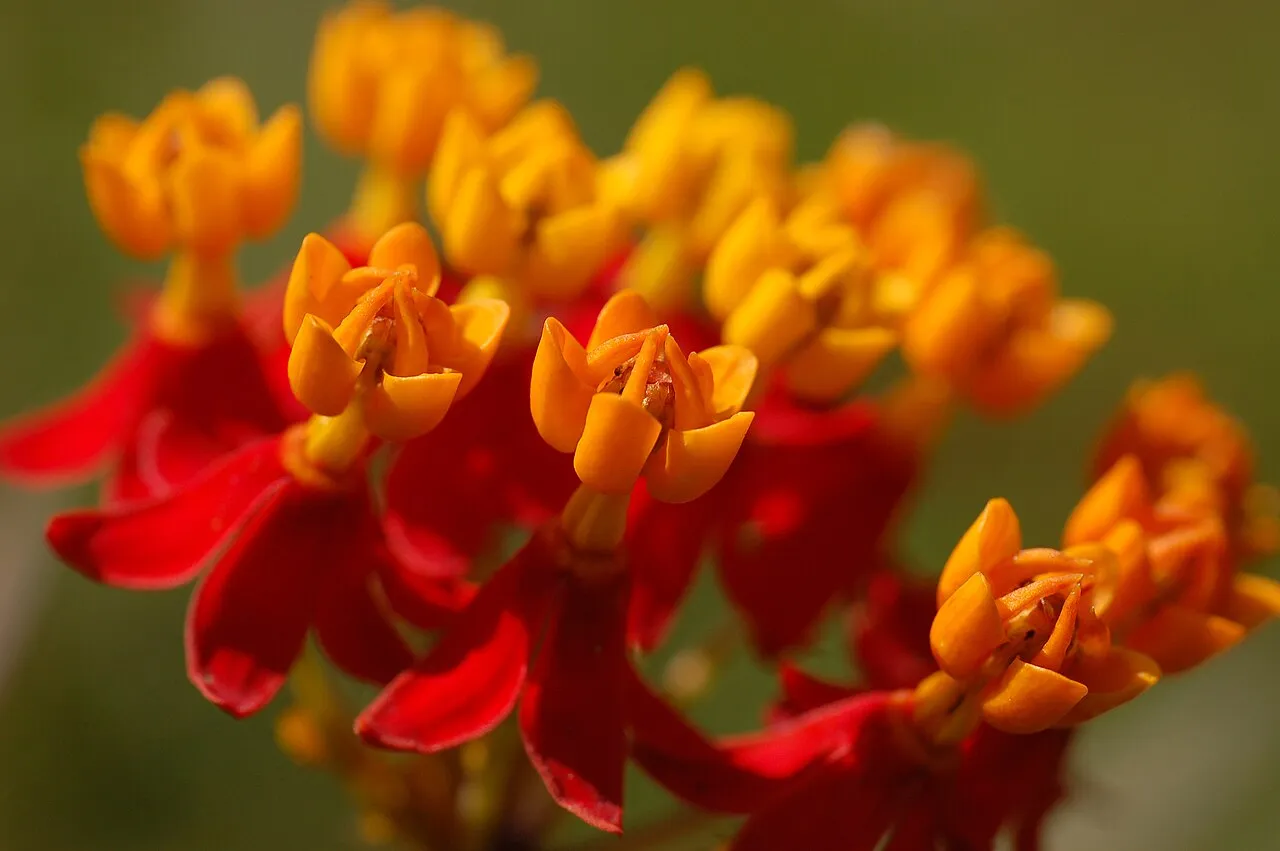
Tropical milkweed is the milkweed conservation groups tell you not to plant. Here is why, what to do if you already have it, and what to grow instead.
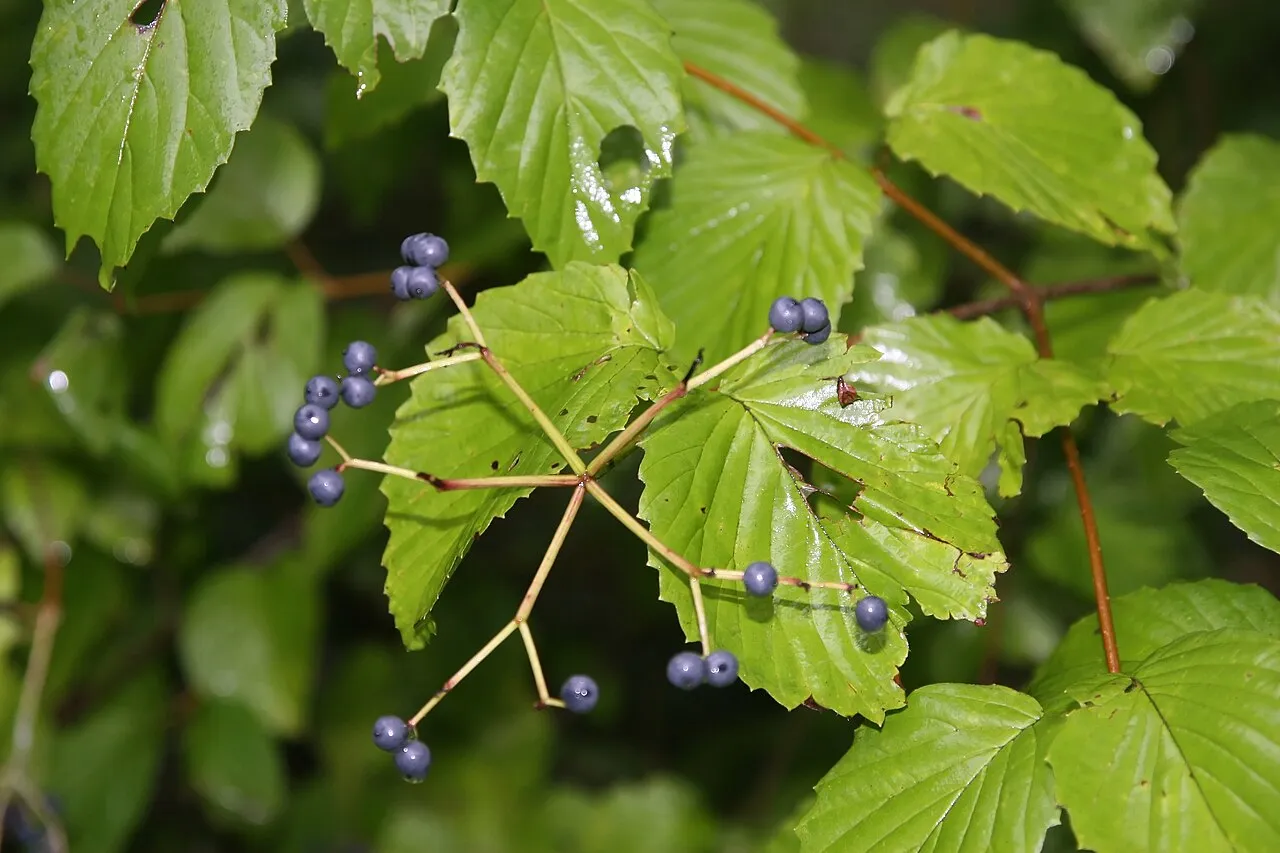
Arrowwood needs a second, genetically different plant to set fruit — buying two of the same cultivar gives you flowers and no berries. A tough eastern native.
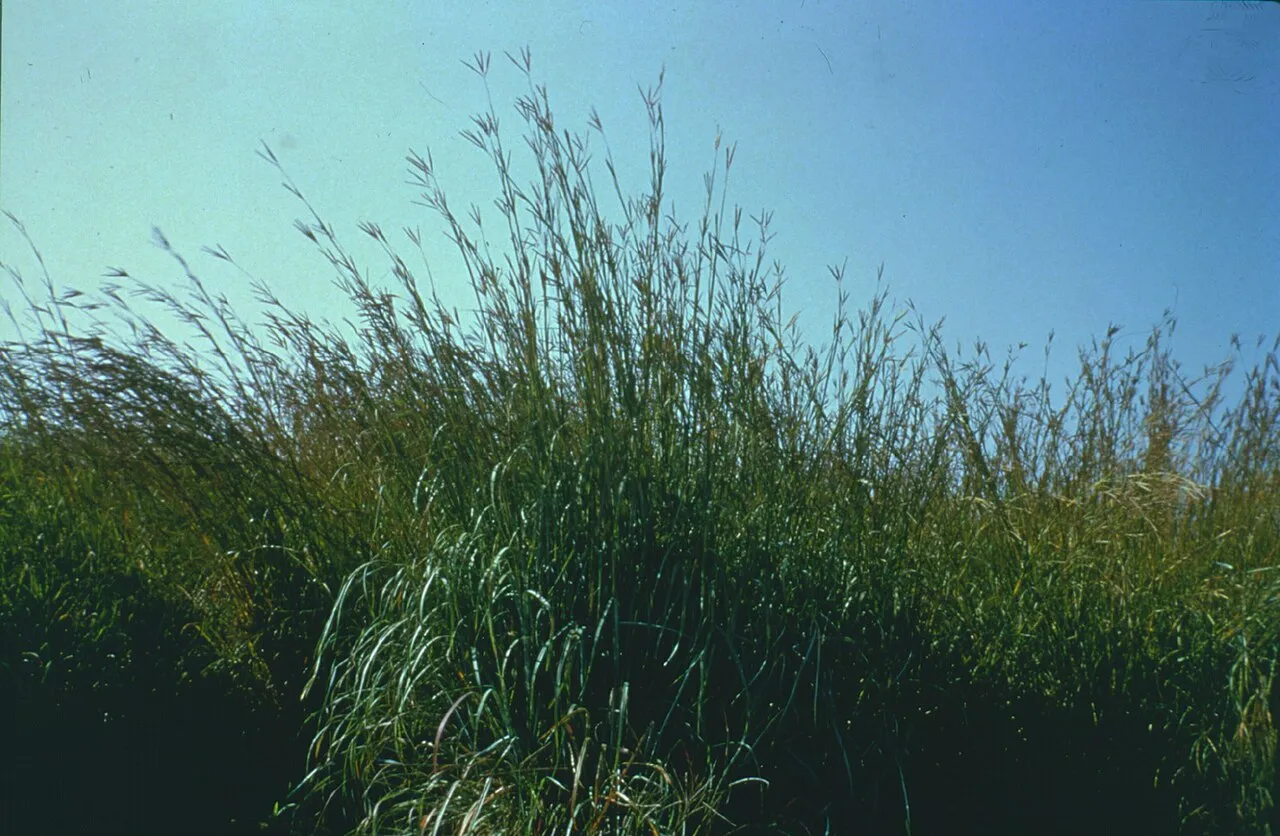
Big bluestem is a native prairie grass that reaches six to eight feet and does most of its growing in high summer. Here is how to site it and when to cut it back.
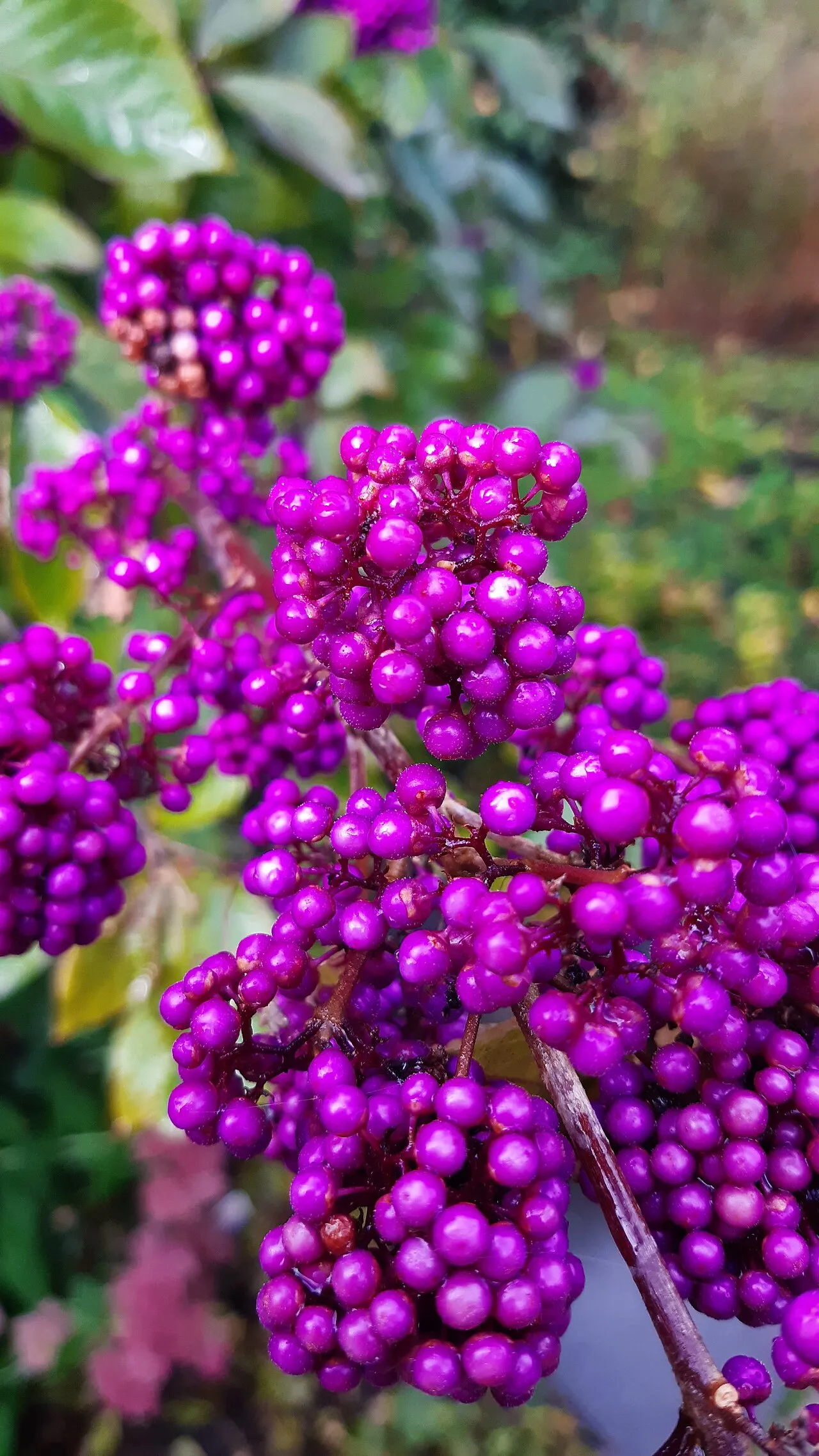
American beautyberry fruits on new wood, so cutting it to a foot each winter is what produces the best display. A tough native shrub that feeds songbirds.
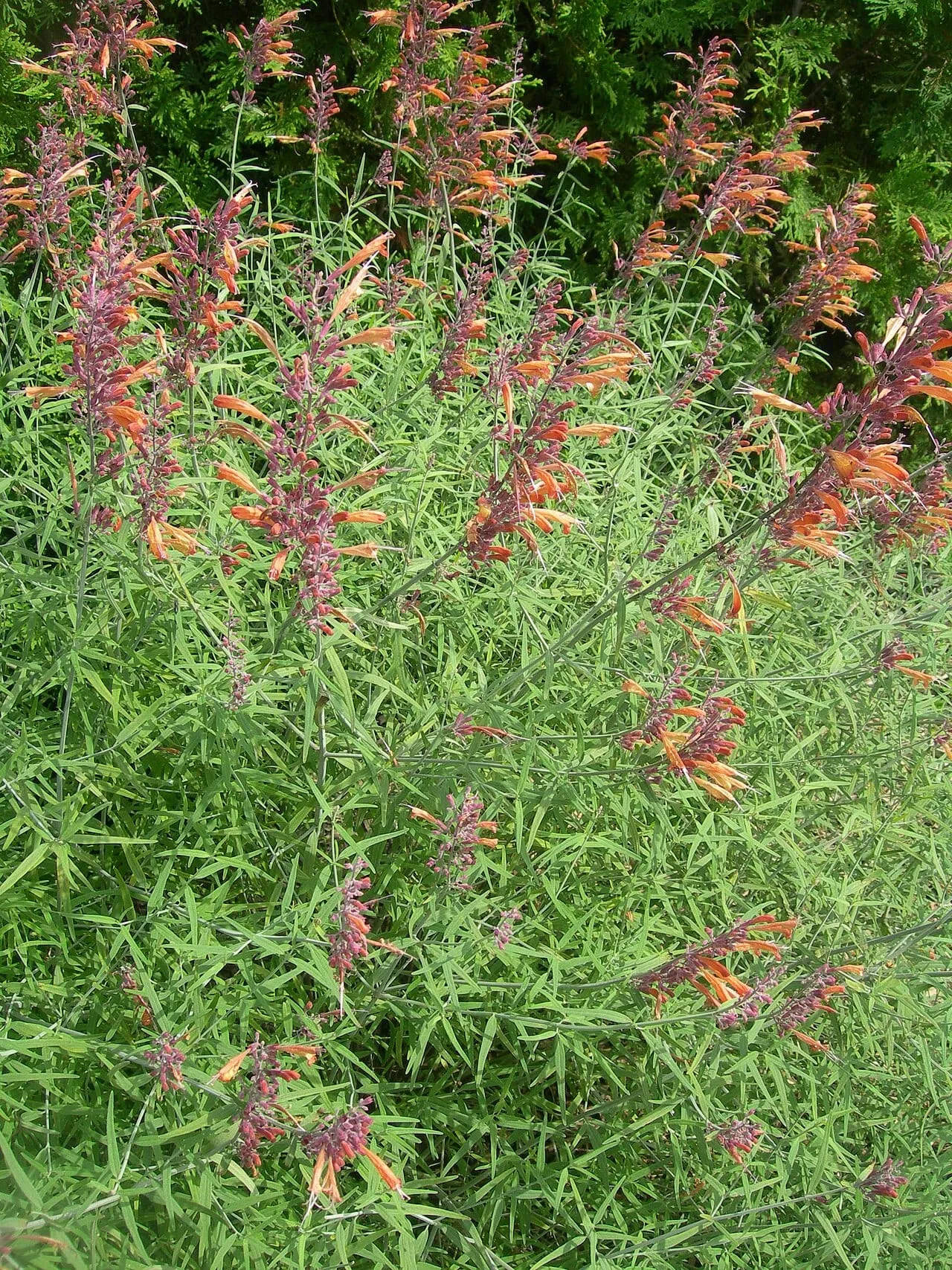
Agastache dies in winter wet, not winter cold. Pick between the blue hyssops and the warm-toned hummingbird mints, then get the drainage right.
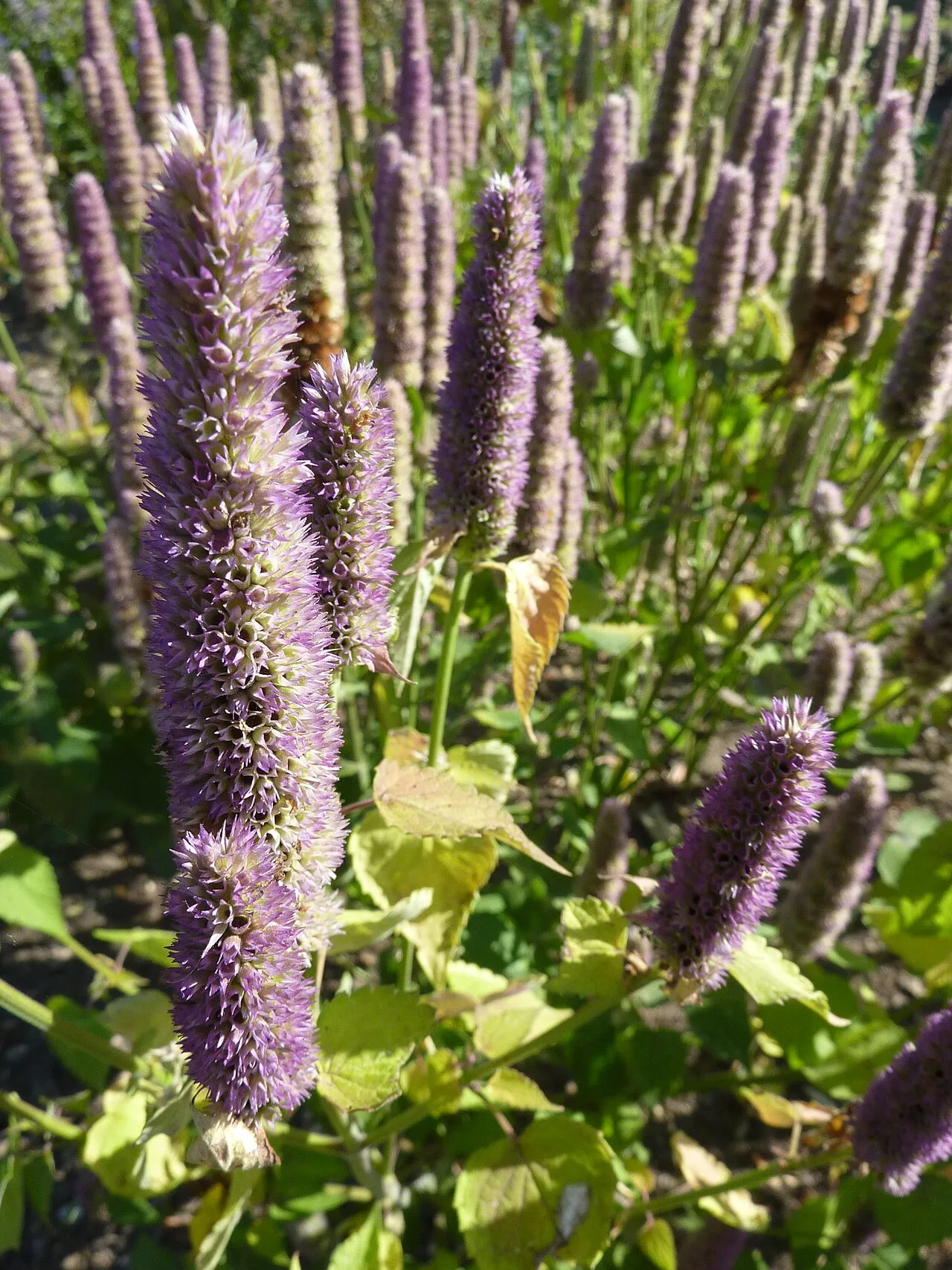
Anise hyssop is neither anise nor hyssop. It is a native prairie mint that flowers from July to frost, feeds pollinators, and deer leave alone.
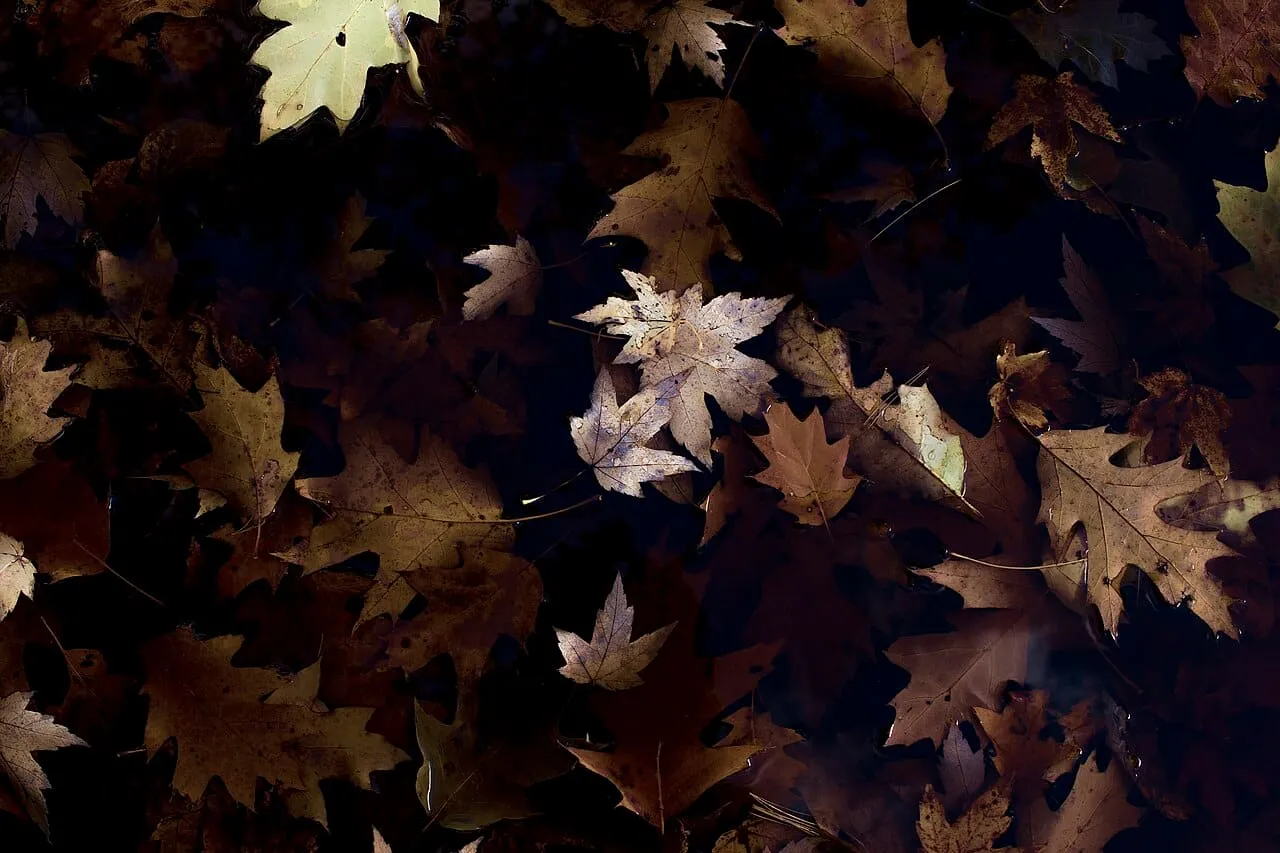
Leaf litter is overwintering habitat for a great deal of garden wildlife. Where to leave it, and where it genuinely causes problems.
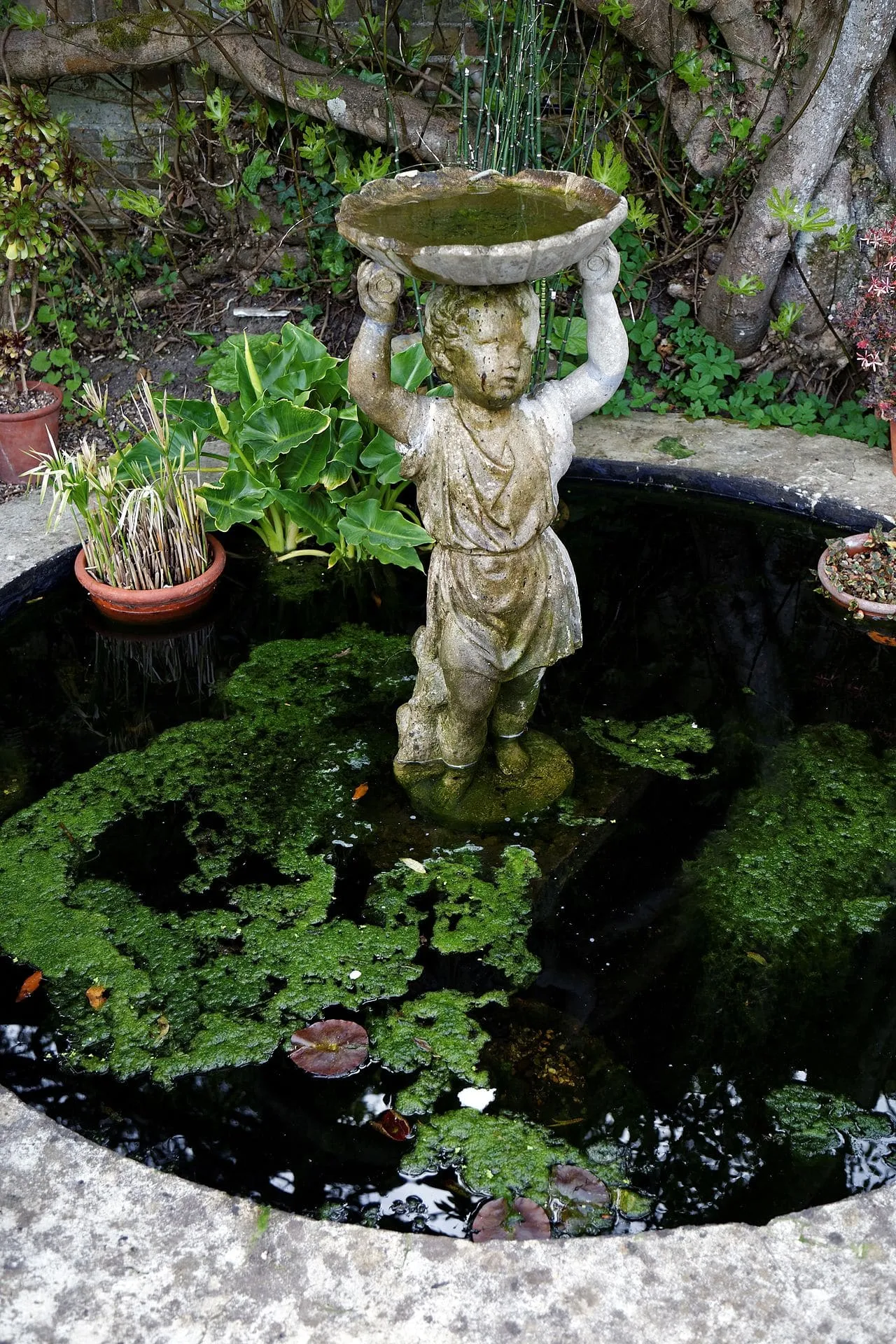
Standing water grows algae and spreads disease. A cleaning routine that works, and the products to keep away from it.
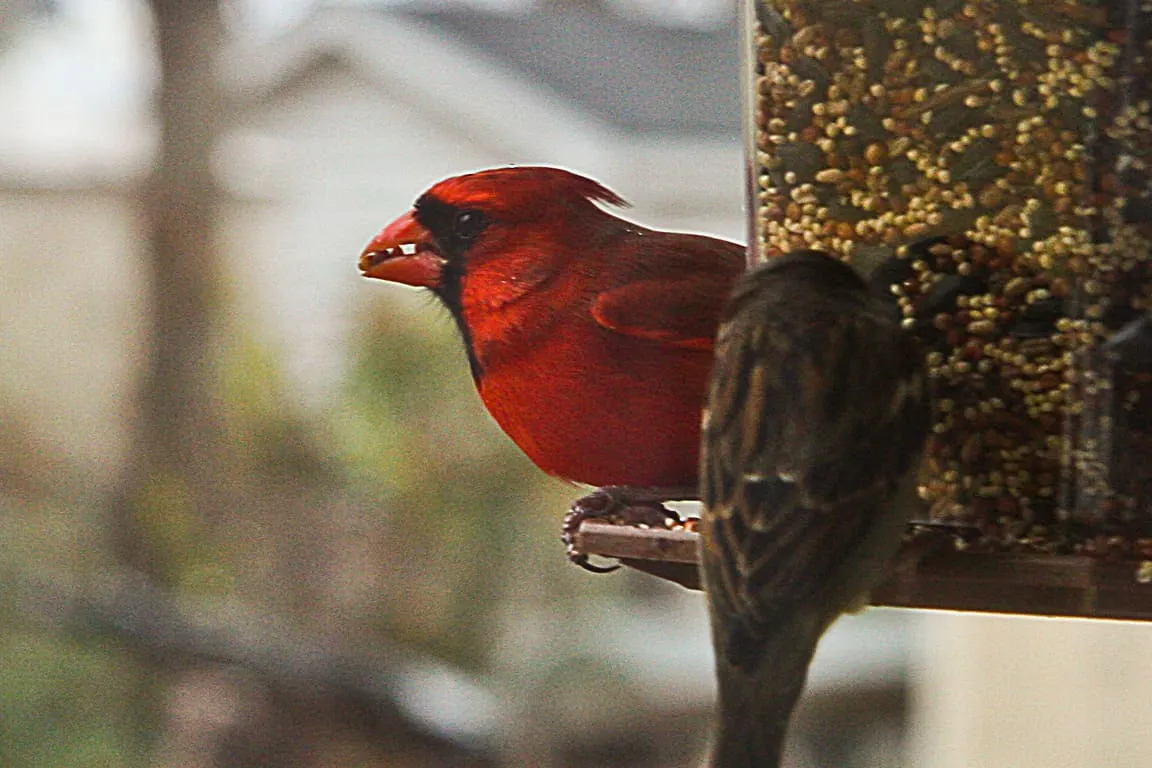
New feeders take weeks to find, but seed quality and placement matter more. How to work out which is your problem.
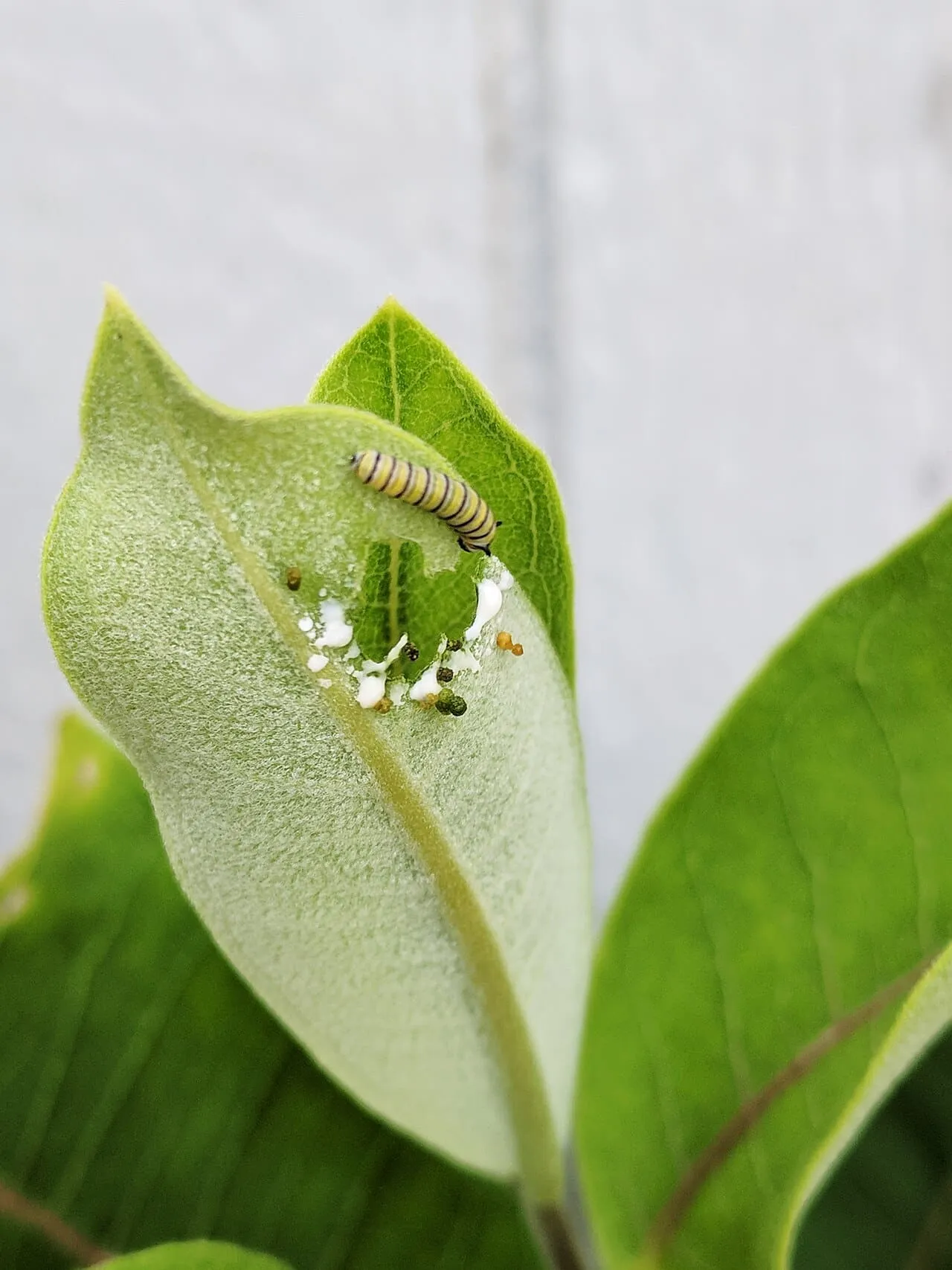
Nectar feeds adult butterflies; host plants feed caterpillars. A garden with only one supports far less than it looks like it does.
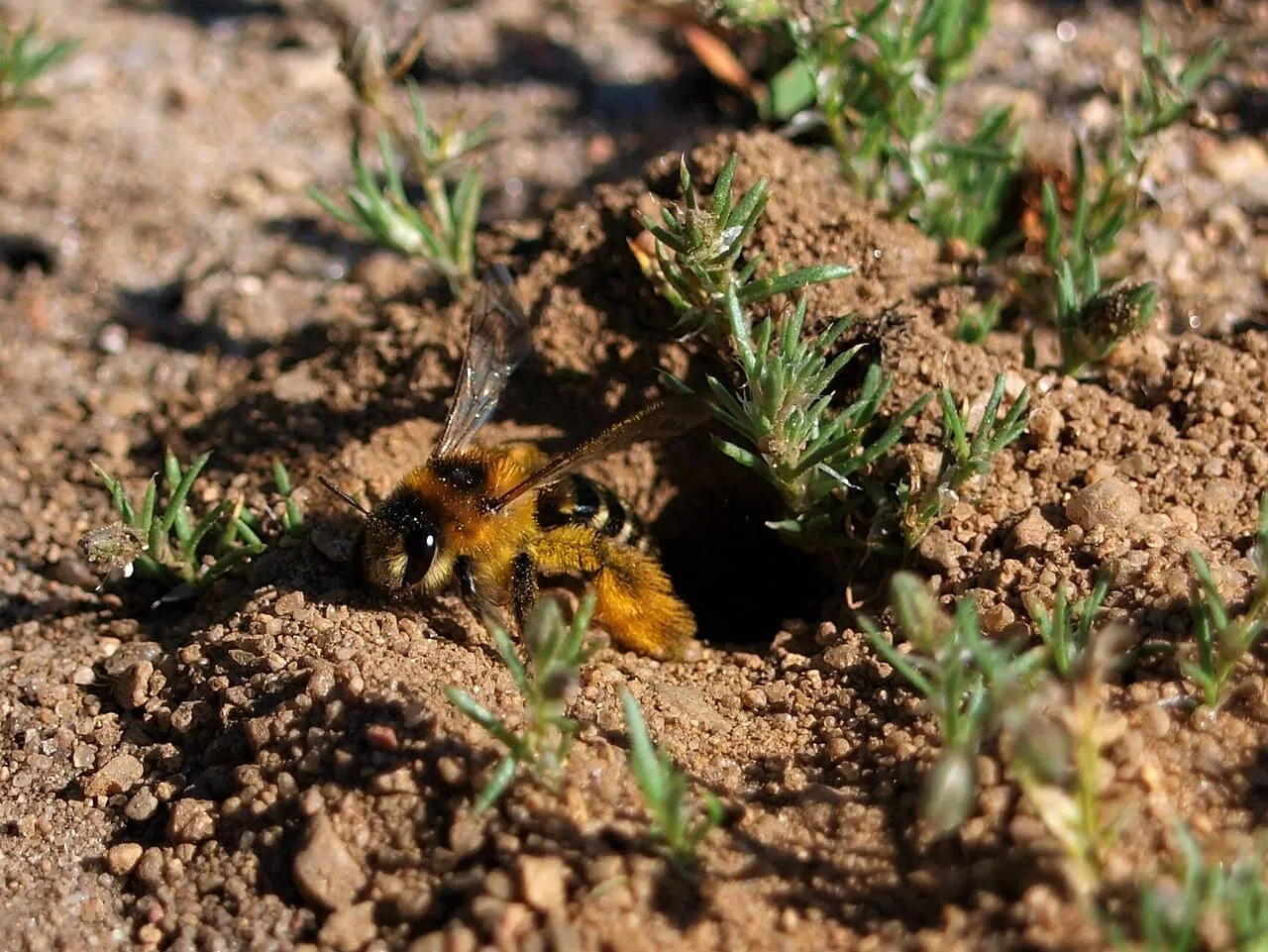
Most native bees are solitary and ground-nesting. Why bee hotels are oversold and bare soil is undervalued.
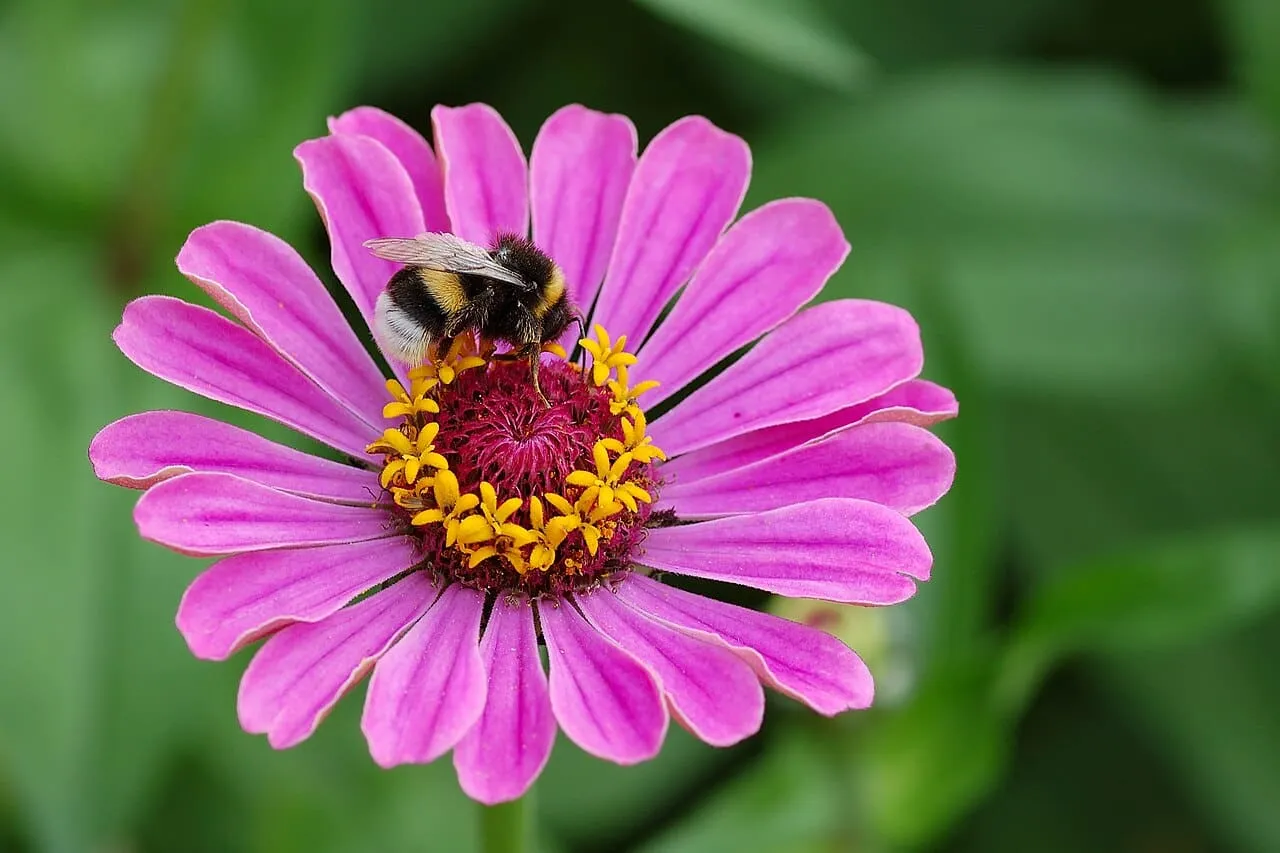
A garden full of flowers can still be useless to bees. What they are actually looking for, and what they cannot use.