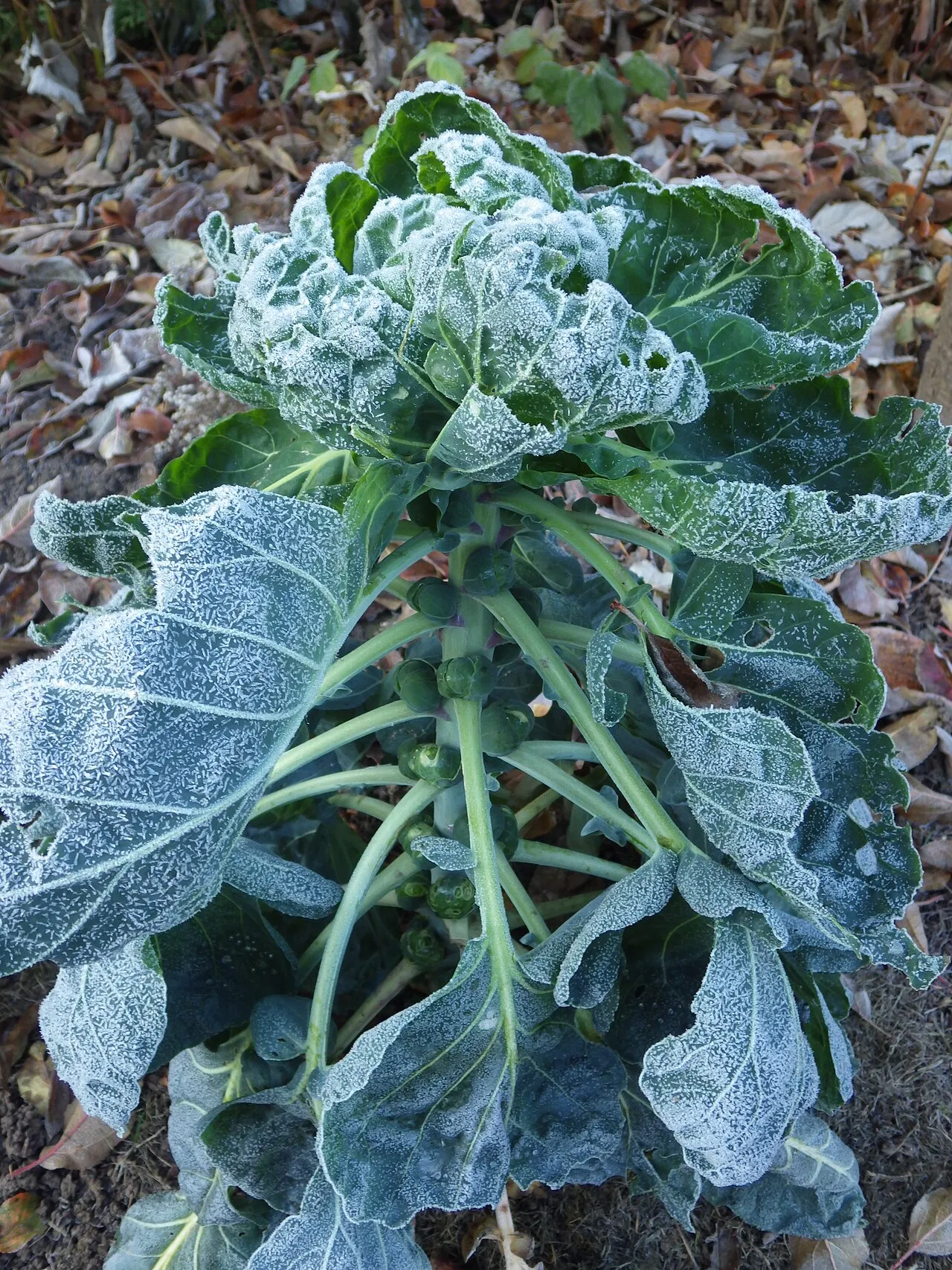
How to Grow and Care for Brussels Sprouts
Brussels sprouts need frost to taste right and a long cool season to size up. Here is when to top the plant, and why the sources disagree about it.
Category
Growing food at home, from sowing dates and spacing to harvest timing for vegetables, herbs and fruit.
25 articles · Page 1 of 2
Brussels sprouts need frost to taste right and a long cool season to size up. Here is when to top the plant, and why the sources disagree about it.
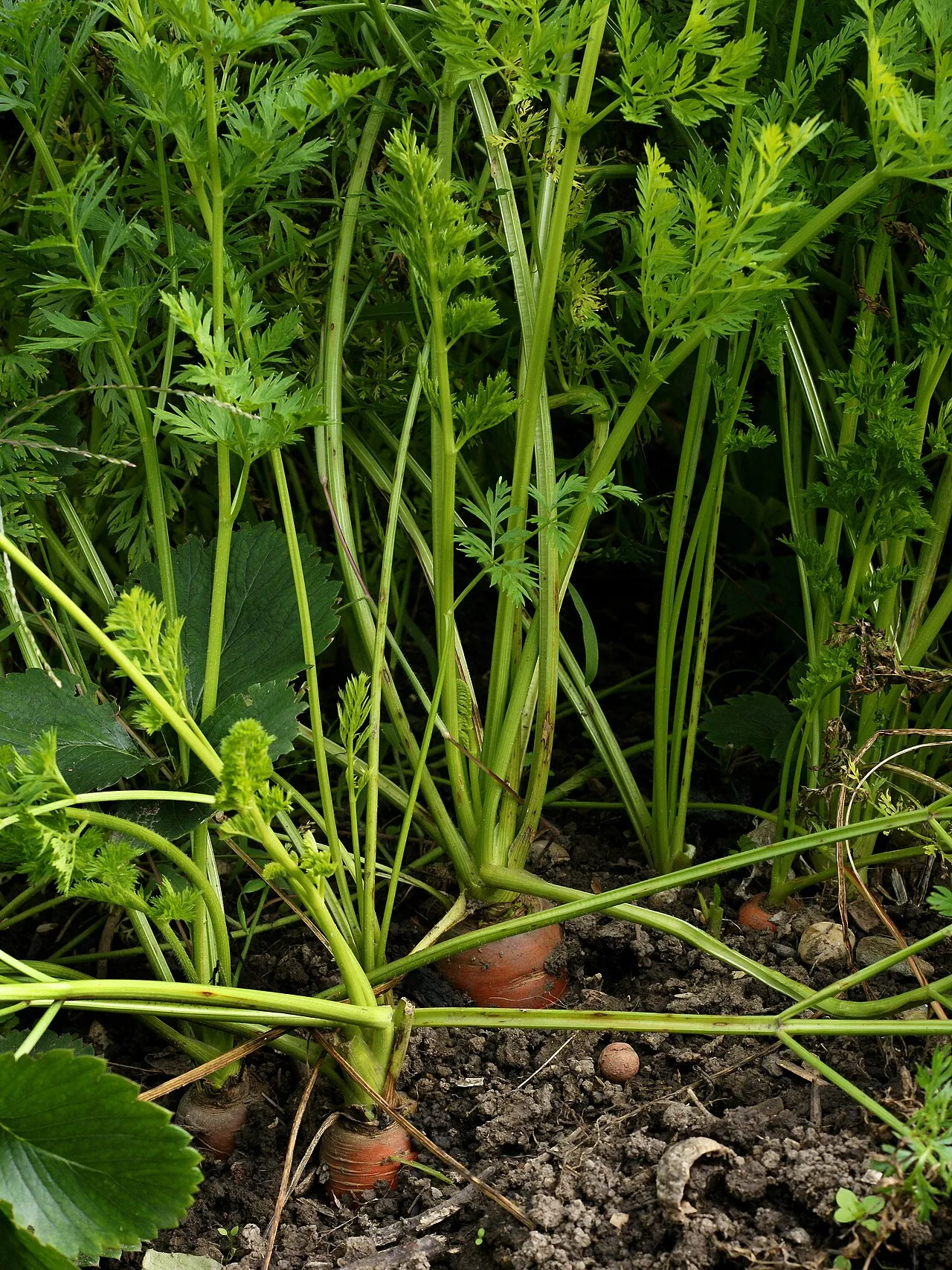
Forked carrots and patchy germination are both settled before you sow. Here is how to prepare the bed, stop the soil crusting, and thin at the right moment.
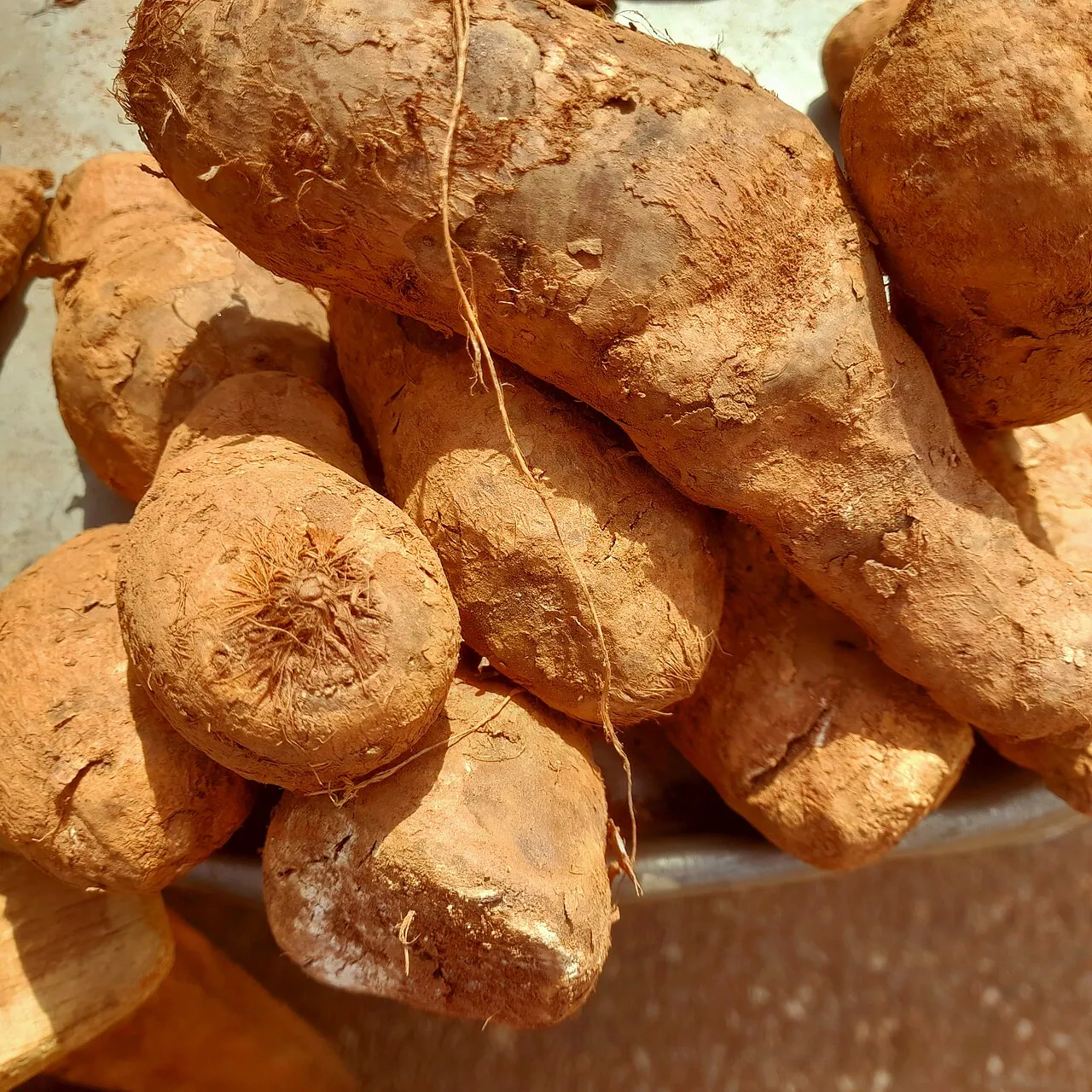
A staple for hundreds of millions of people, and highly toxic raw. Cassava needs nine frost-free months and processing that is not optional.
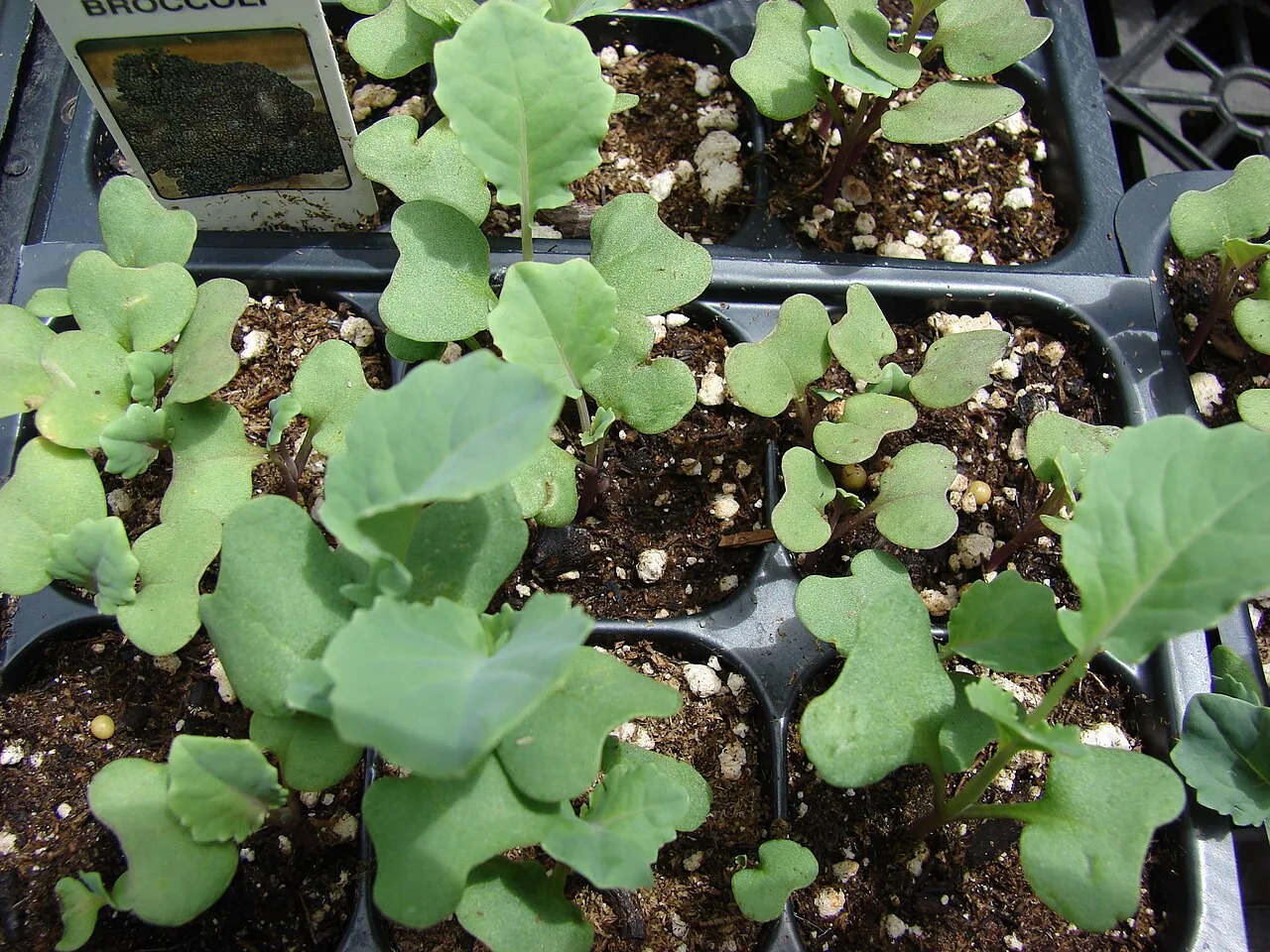
Broccoli bolts from cold, not heat, and buttons from stressed seedlings. Both problems are decided before the plant is six inches tall.
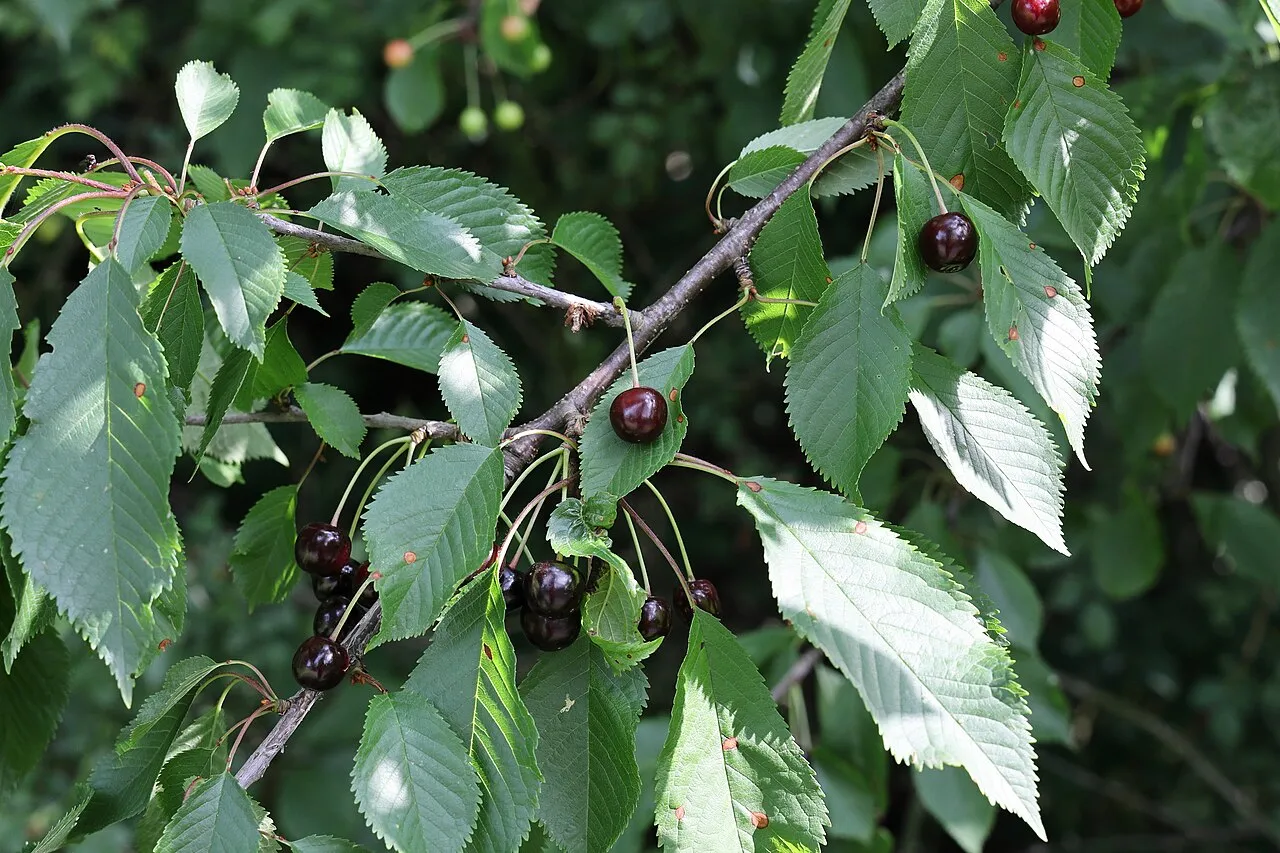
Bing cannot pollinate itself and splits in the rain. Both are solvable, but for most home gardeners a self-fertile variety is the better tree.
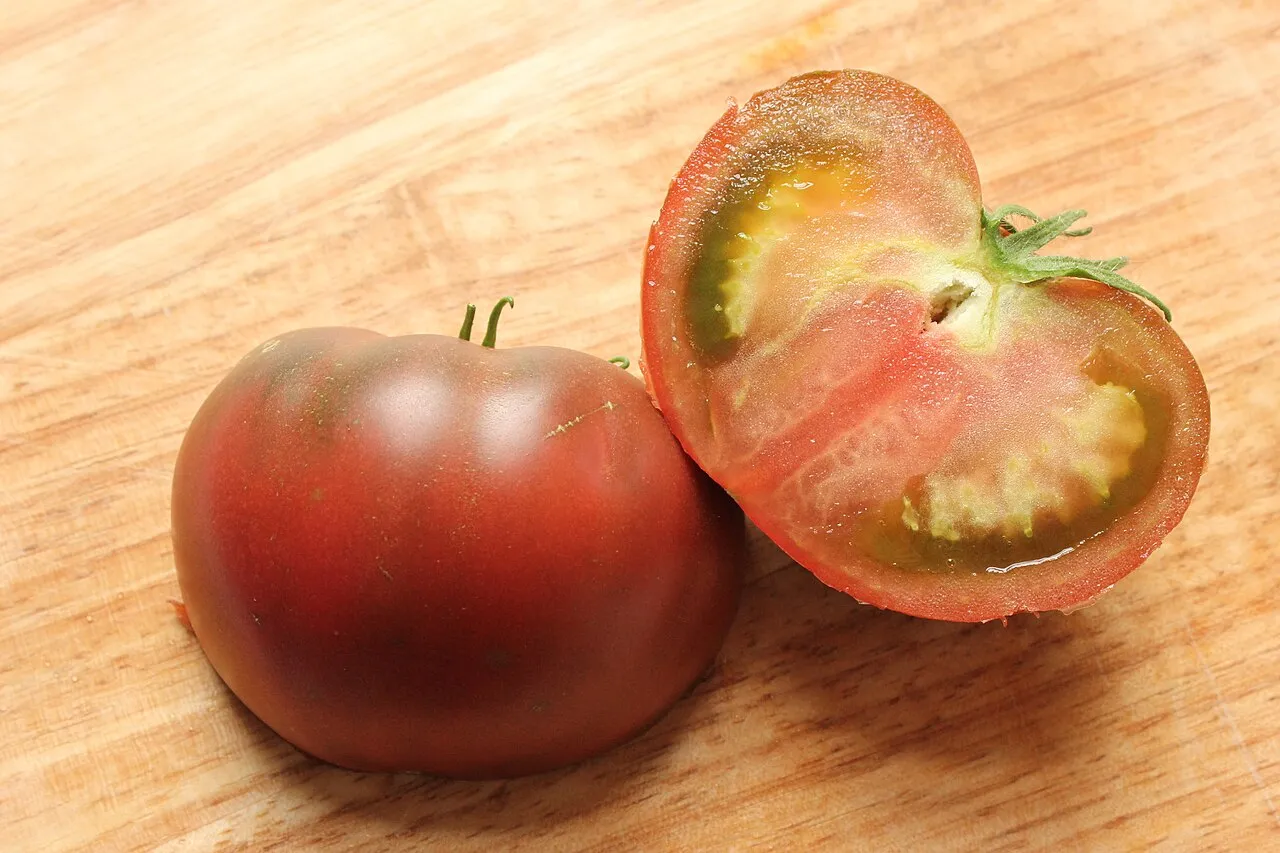
Black Krim trades disease resistance and tidy fruit for flavour. Here is how to grow it, and how to tell when a tomato that never turns red is actually ripe.
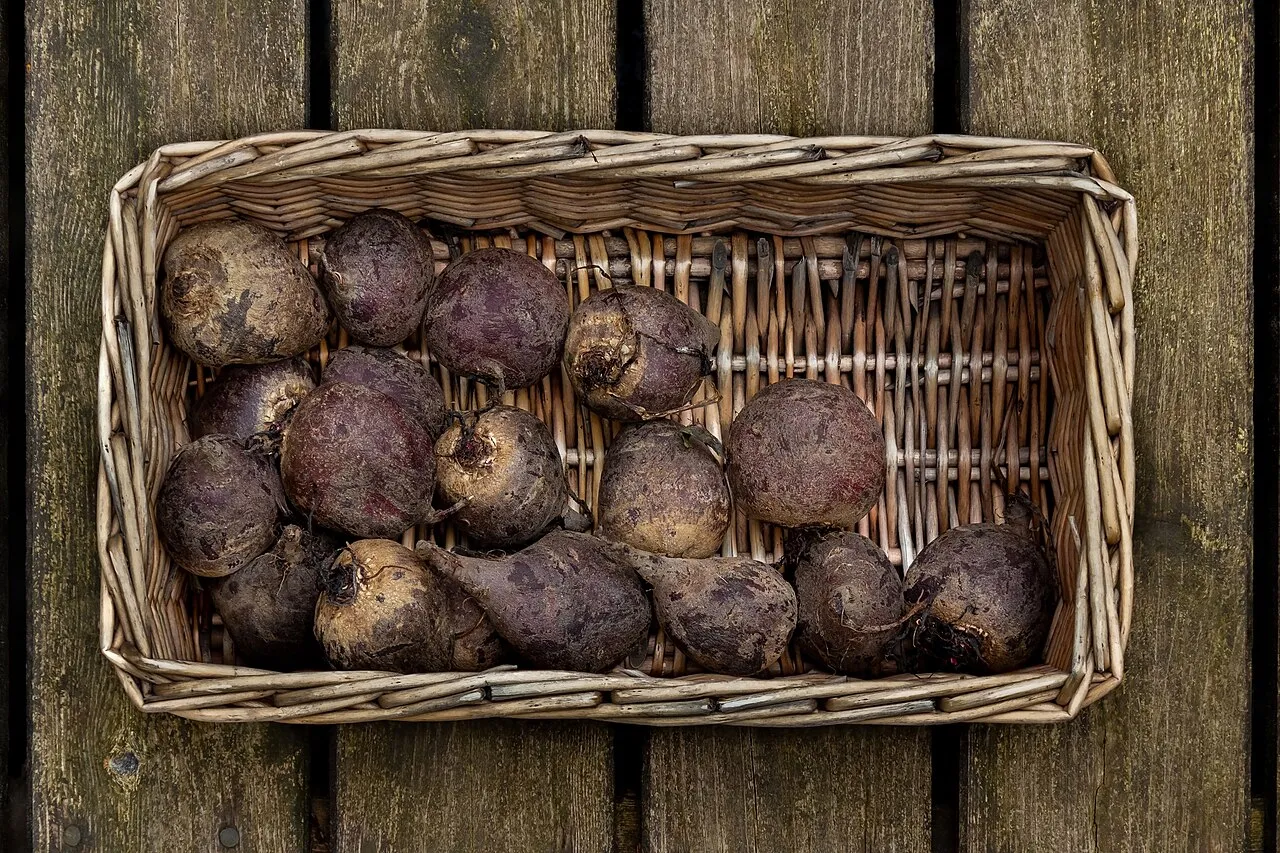
Every beet seed is a cluster of several seeds, which is why not thinning is the most common reason beet crops fail. Here is the spacing, timing and boron problem.
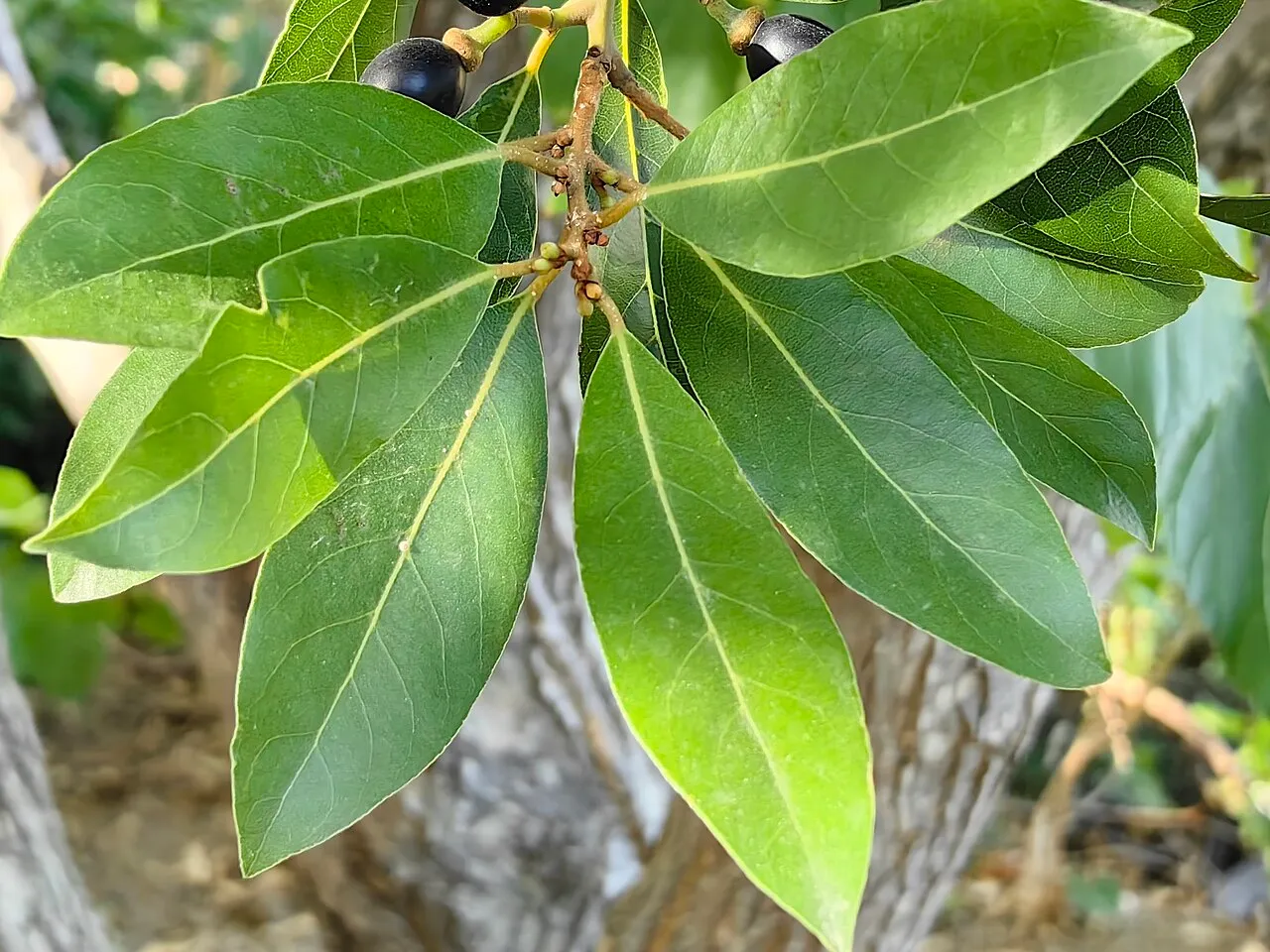
Bay laurel is a 40-foot Mediterranean tree that most US gardeners grow as a clipped pot plant. Here is how to keep one alive through winter and harvest from it.
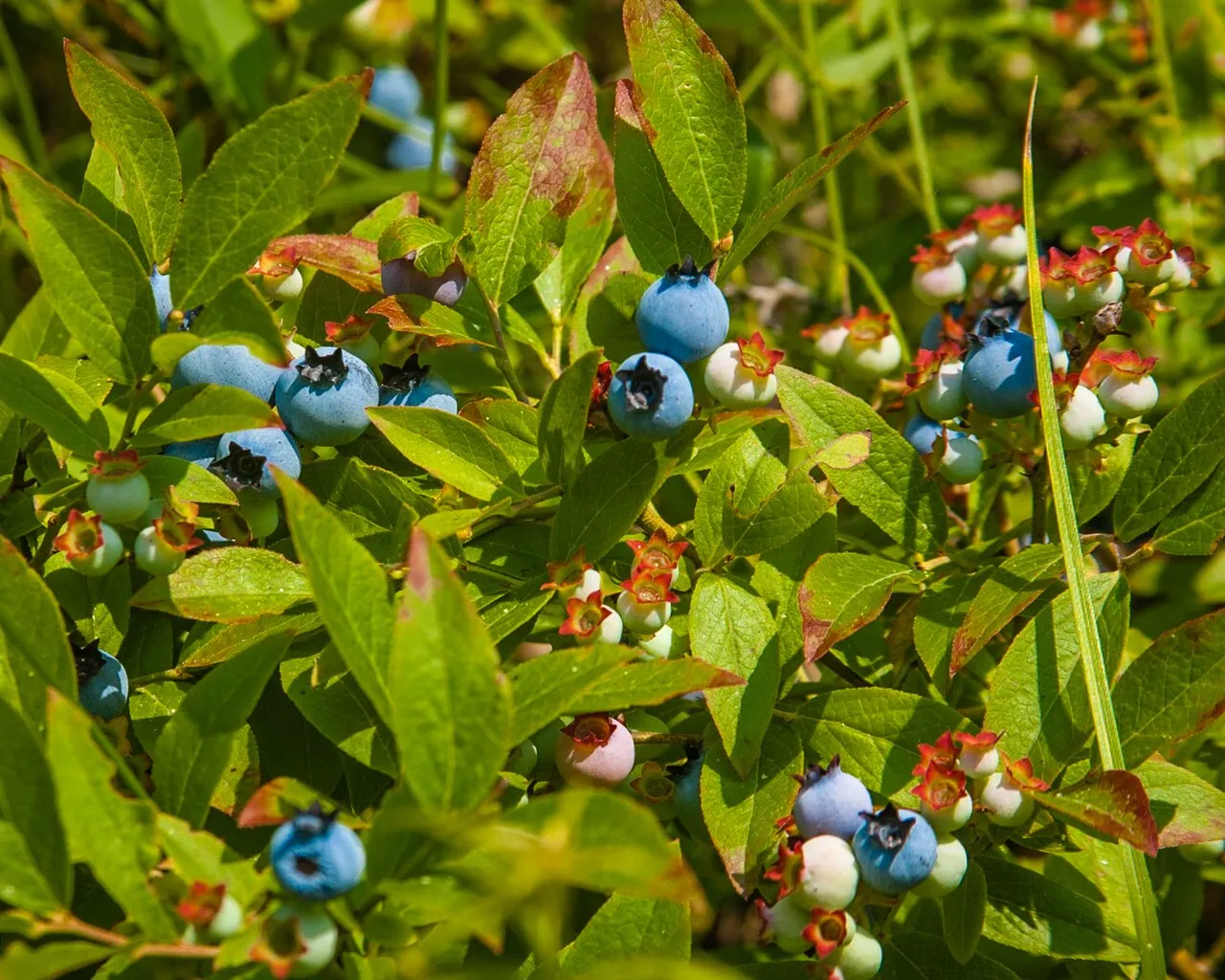
Test your soil pH before you buy anything. Above 6.0 and Clemson says pick a different site — no amount of care fixes it. Then choose the right type for your region.
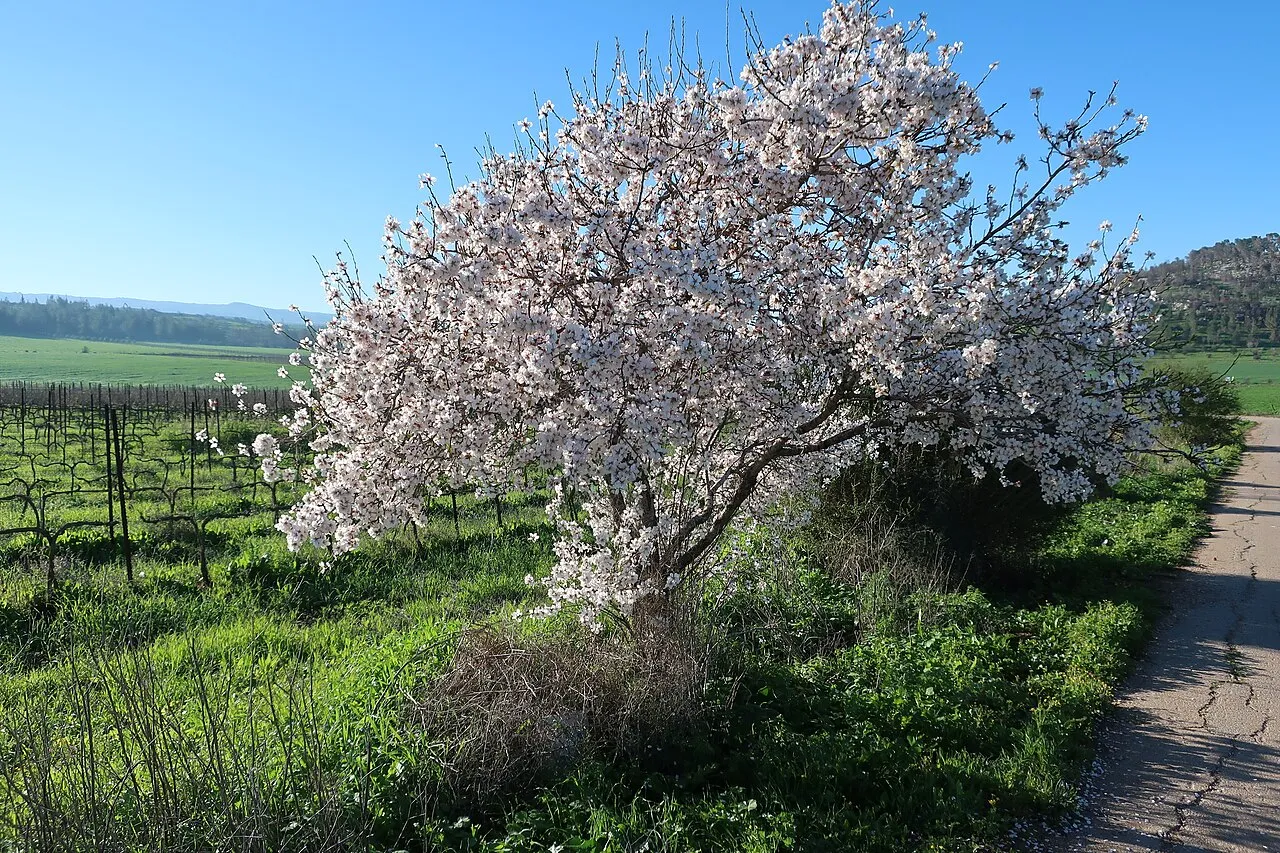
Almonds bloom earlier than any other stone fruit, which is why most US gardeners get a beautiful tree and no nuts. Here is the frost maths and the pollination rule.
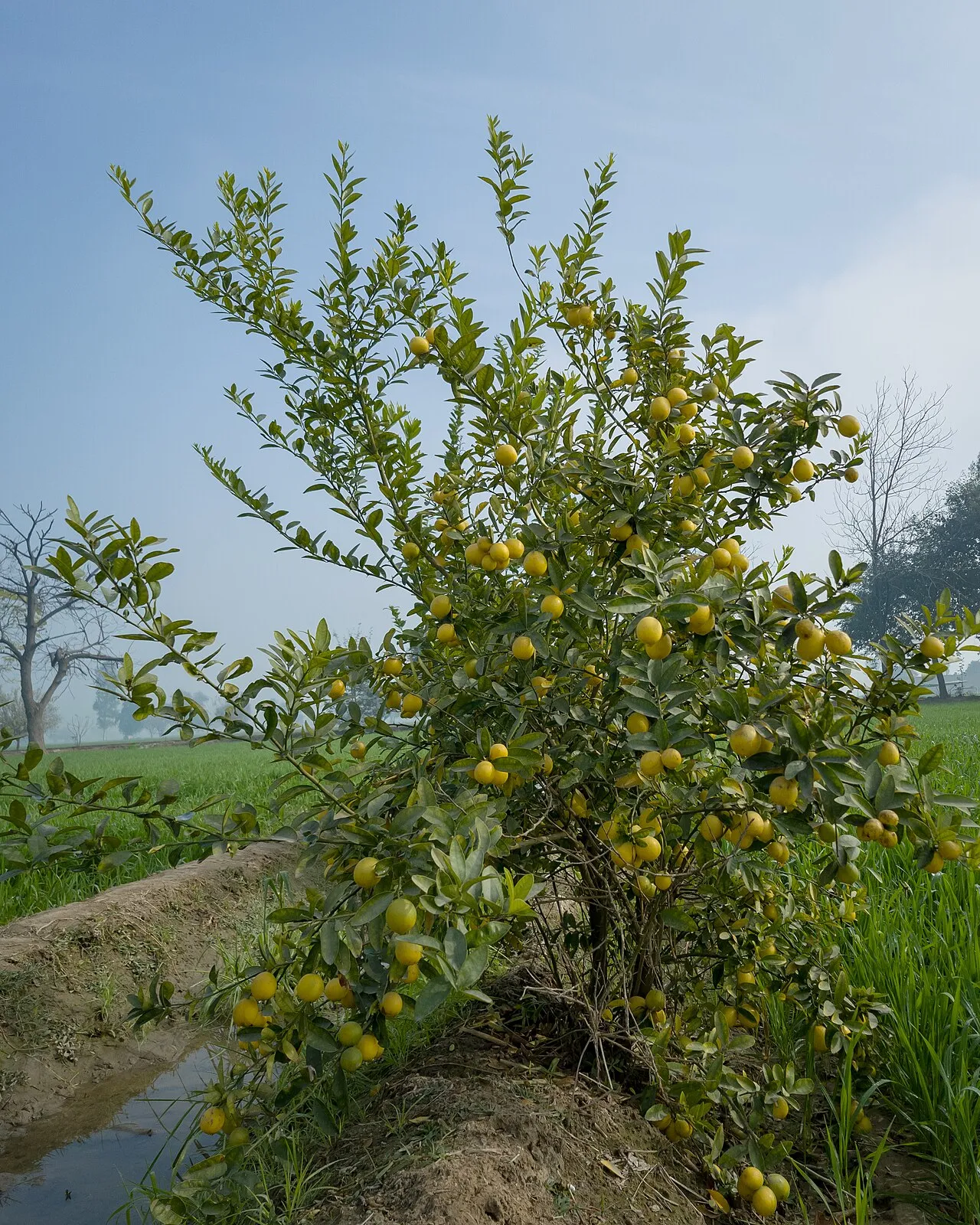
Meyer is the lemon most home growers should buy — hardiest, container-sized, and fruiting young. Here is how to plant, protect and prune one.
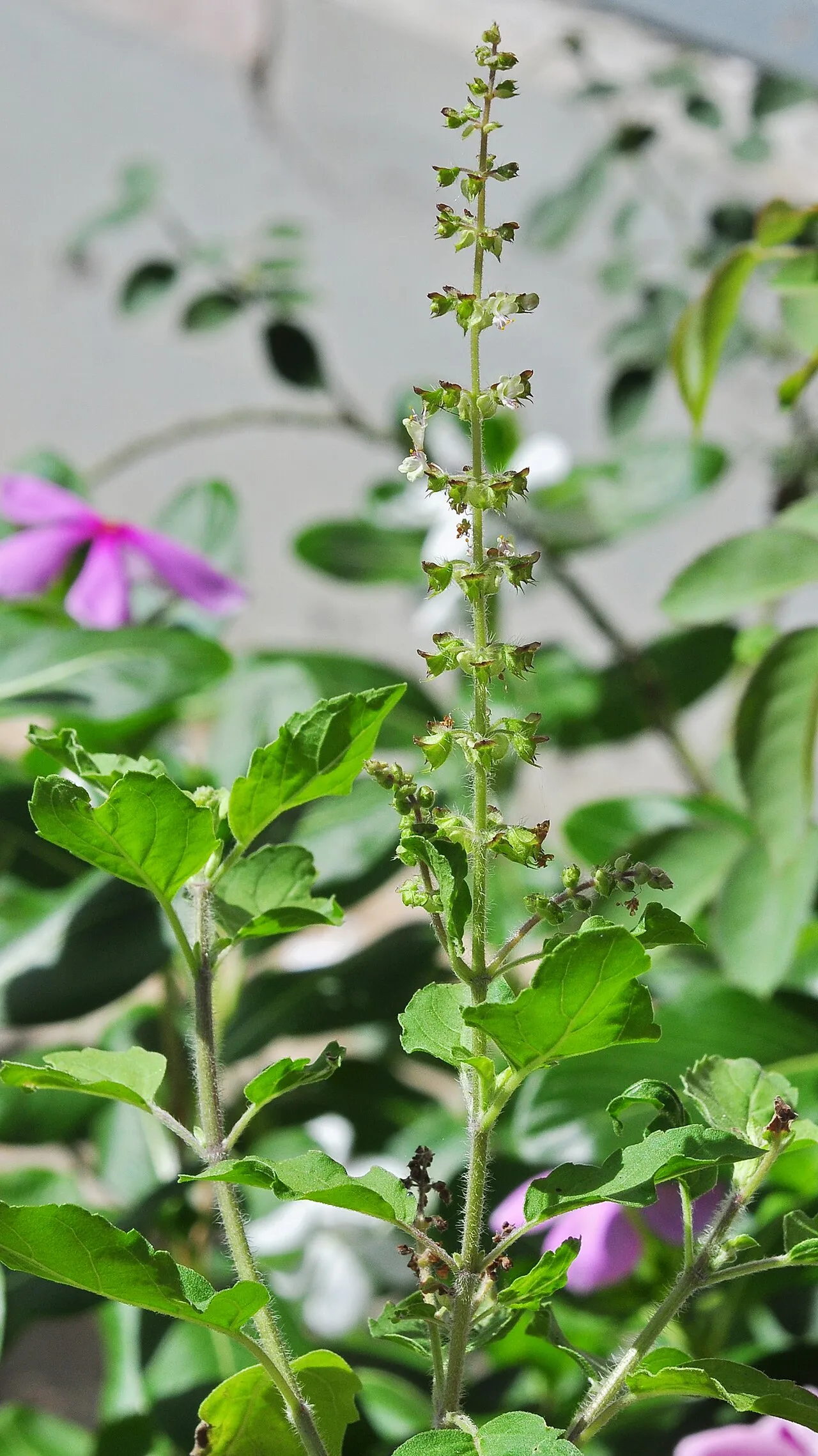
Holy basil is not a stand-in for sweet basil — it tastes of clove and is grown for tea. Here is how tulsi differs, and how to grow and harvest it.
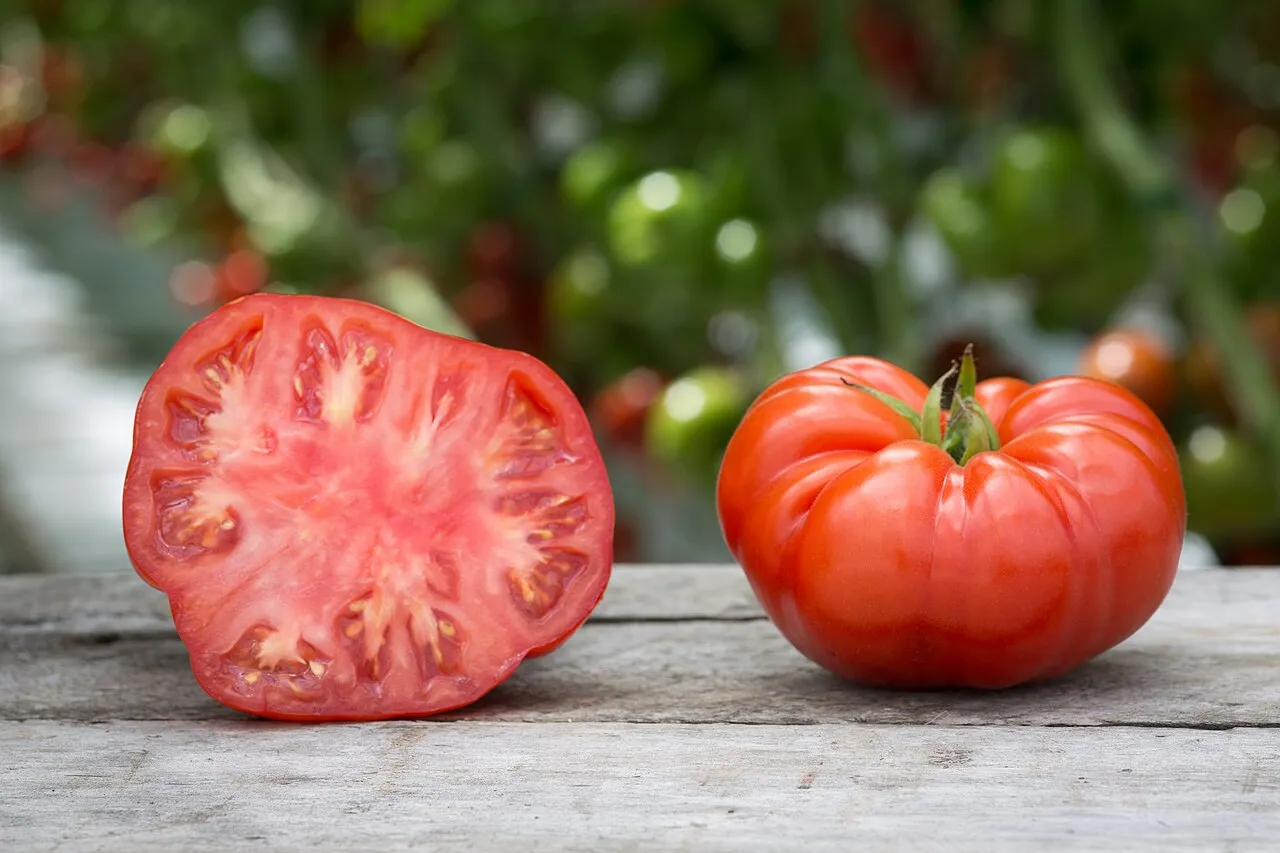
Beefsteaks need support, pruning and above all steady water — they are the type most prone to cracking. Here is how to grow the big ones well.
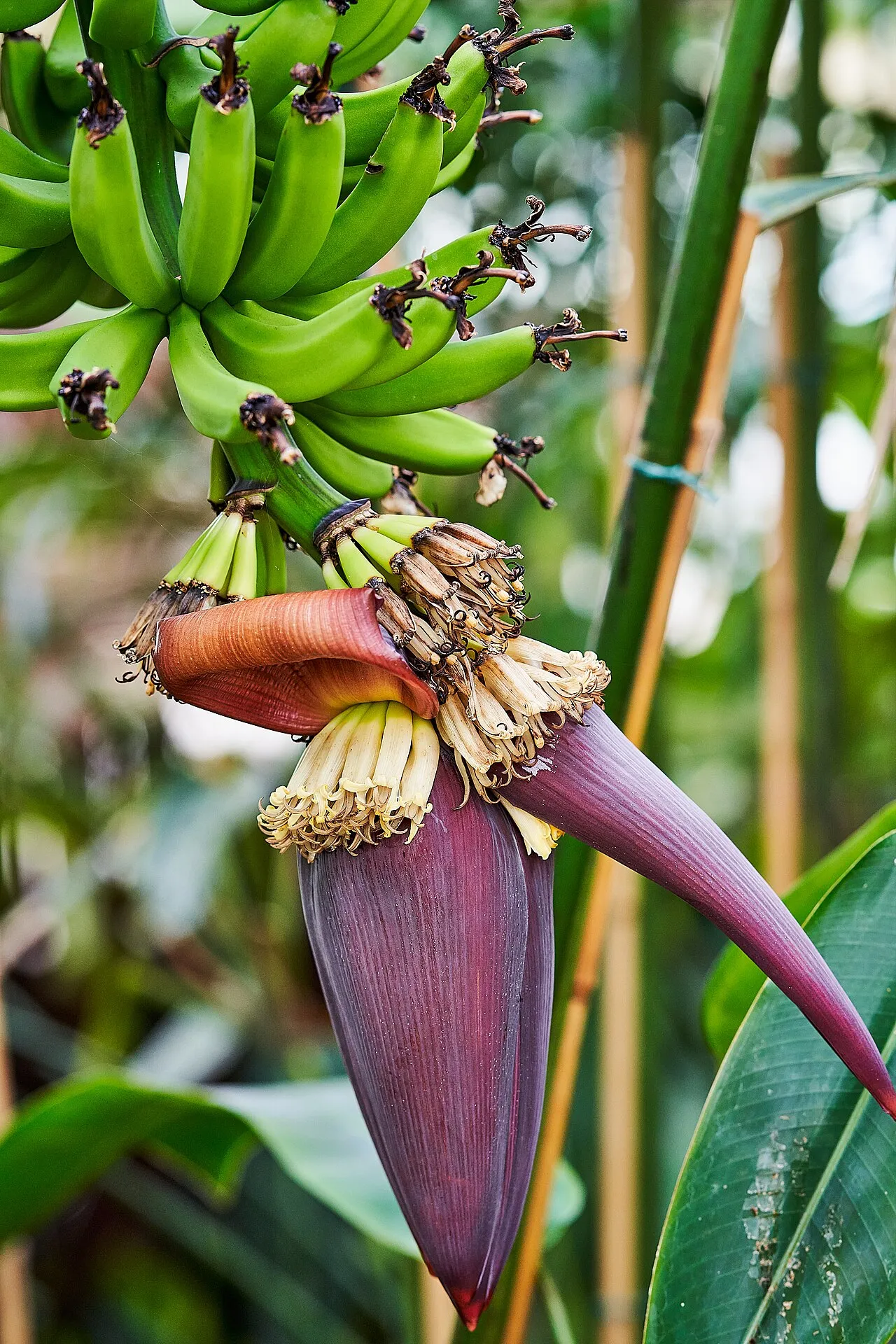
A banana is not a tree, and each stem fruits once and dies. Managing the suckers that replace it is the actual skill — here is how, plus the cold thresholds.
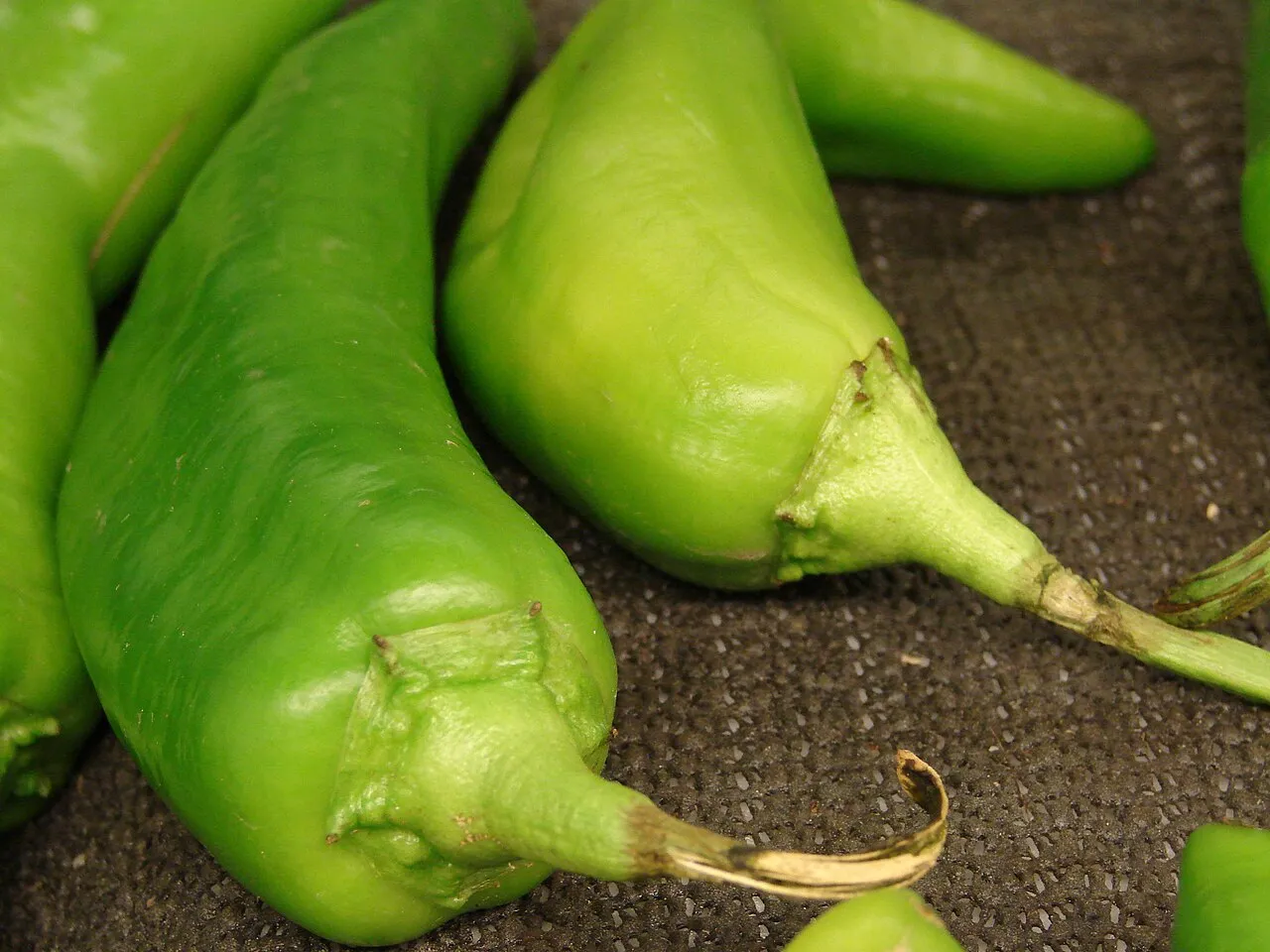
Anaheims are mild chiles that crop heavily if you get soil temperature, nitrogen and steady watering right. Here is the schedule and the three things that go wrong.
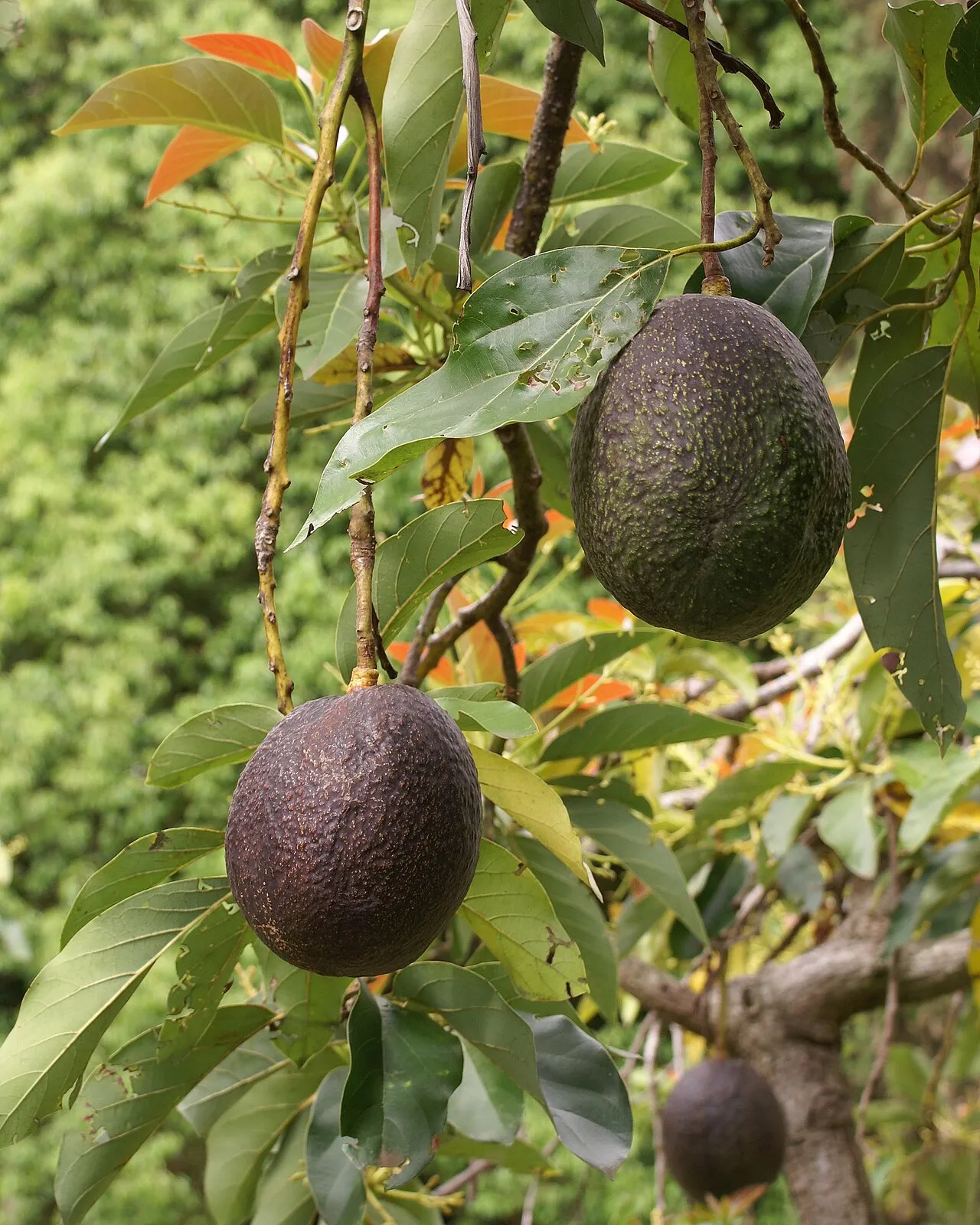
The pit in a glass of water will grow a tree, but it will not give you avocados. Here is what actually fruits, how long it takes, and the A and B flowering types.
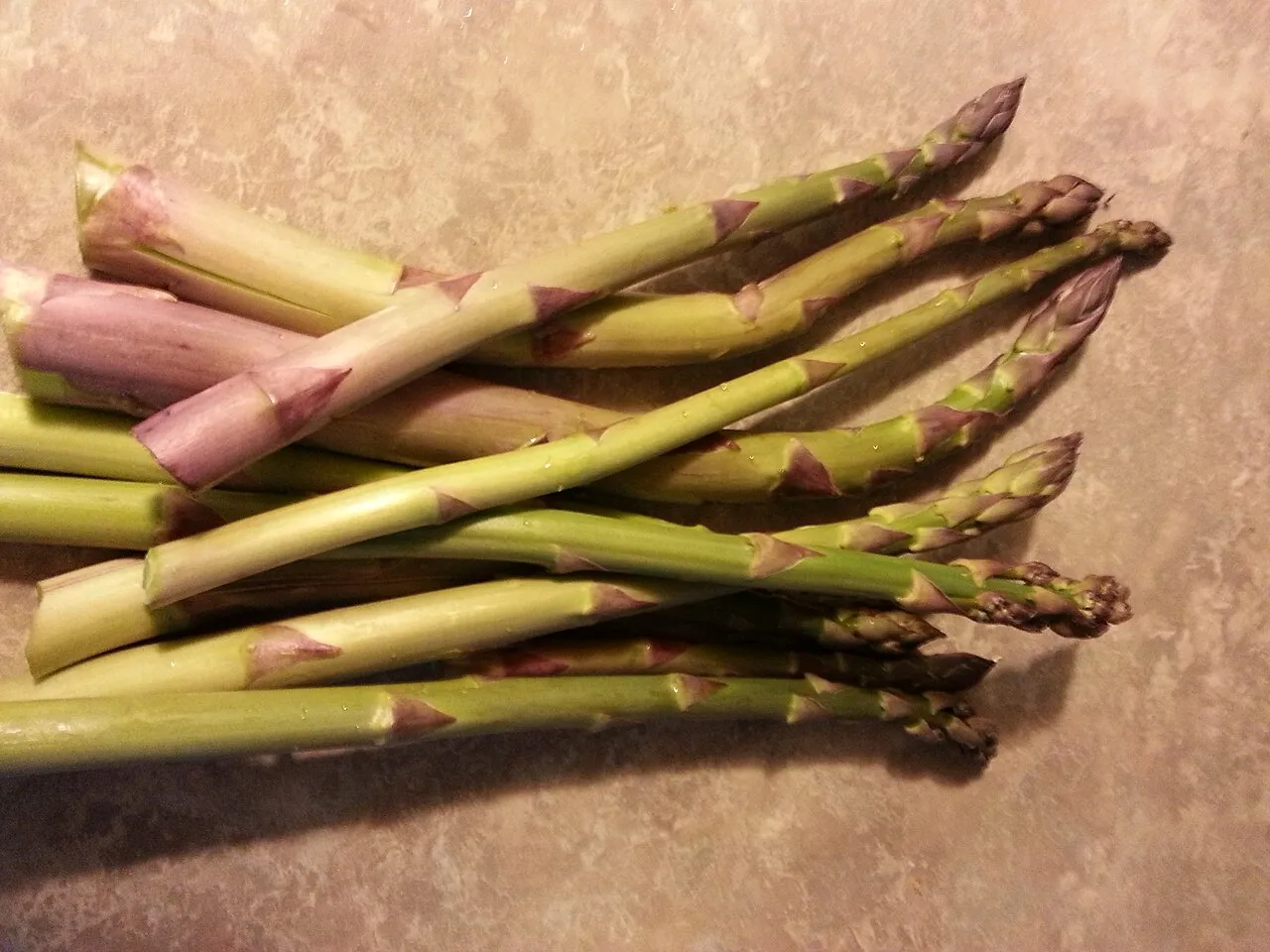
Asparagus takes two to four years before a real harvest and then crops for fifteen. Here is how to plant crowns, when to stop cutting, and what the sources disagree on.
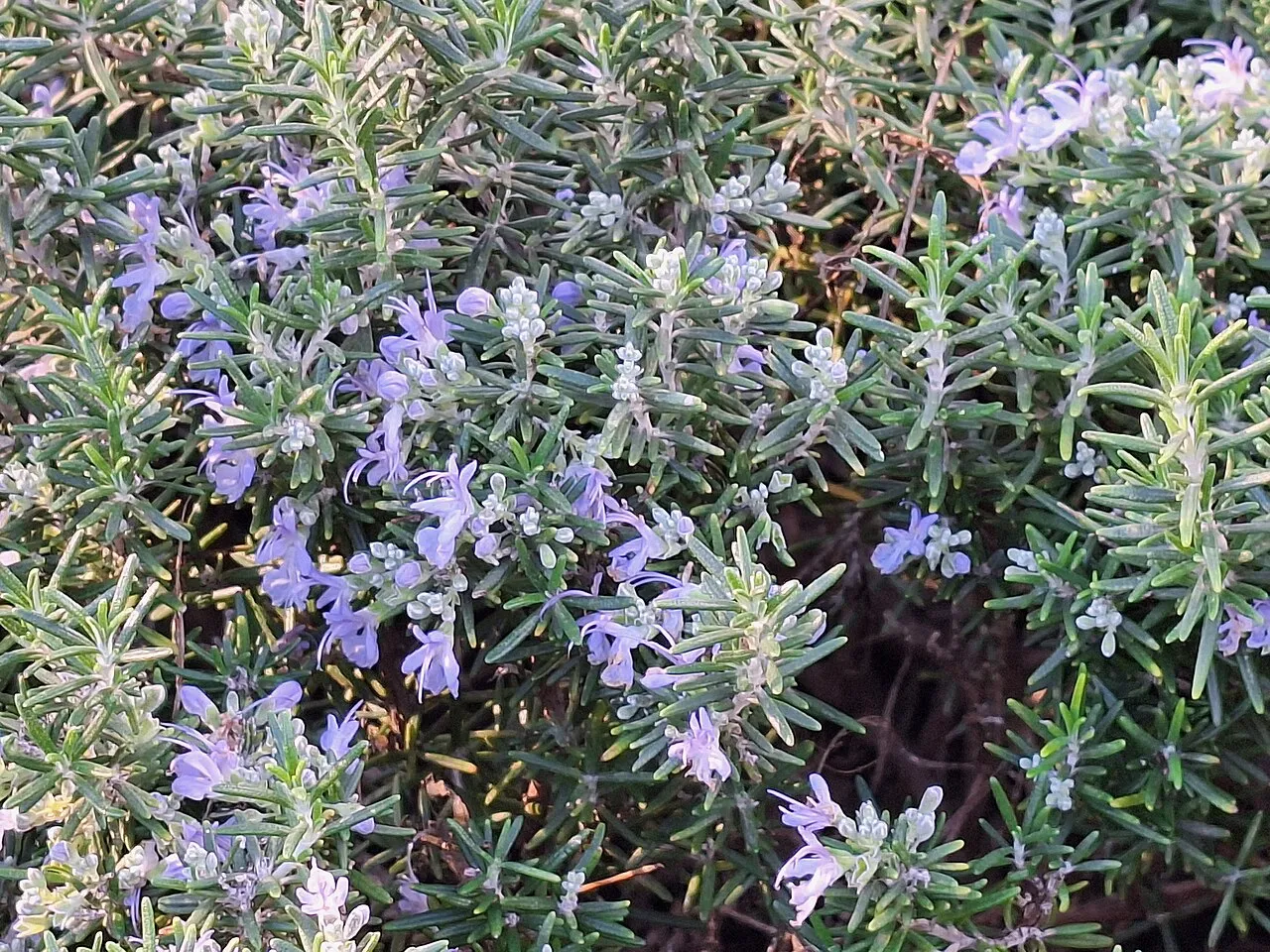
Rosemary is easy outdoors in zone 8 and a struggle everywhere colder. Pick the right cultivar, keep it dry, and know why it dies indoors in January.
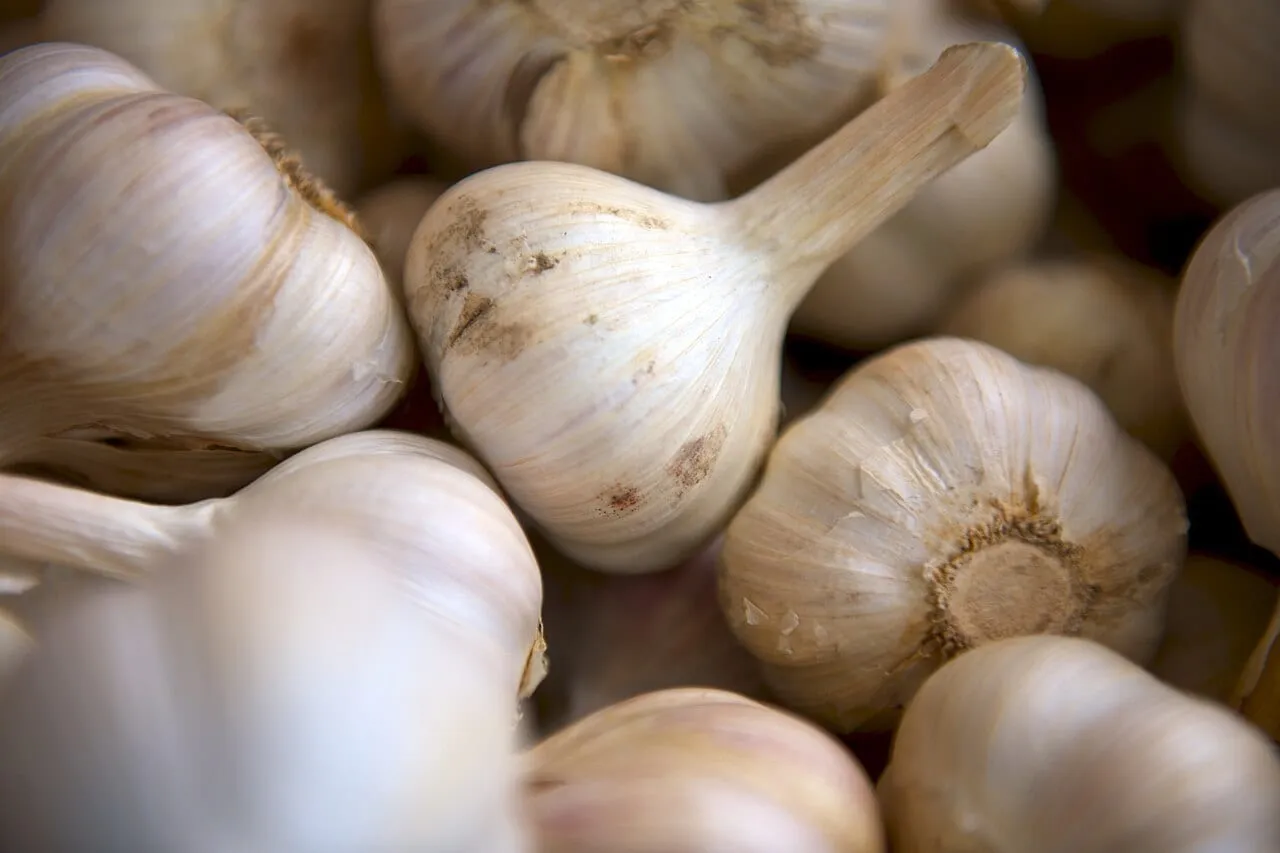
Garlic goes in the ground in fall, four to six weeks before it freezes. Here are the planting windows by zone, which type to grow, and what to do if you garden somewhere with no winter.
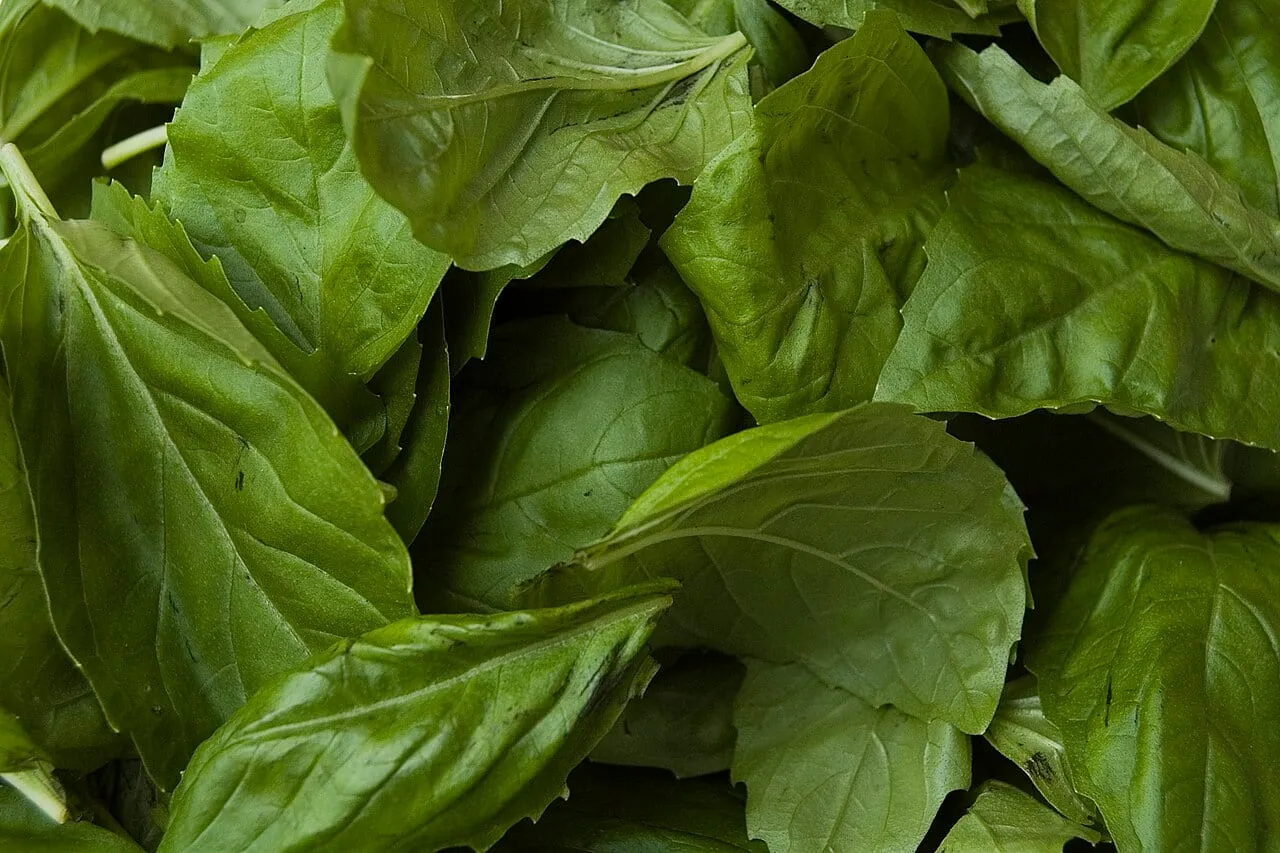
Basil blackens from cold well before frost arrives. How to separate chill damage from downy mildew, and what to do about each.
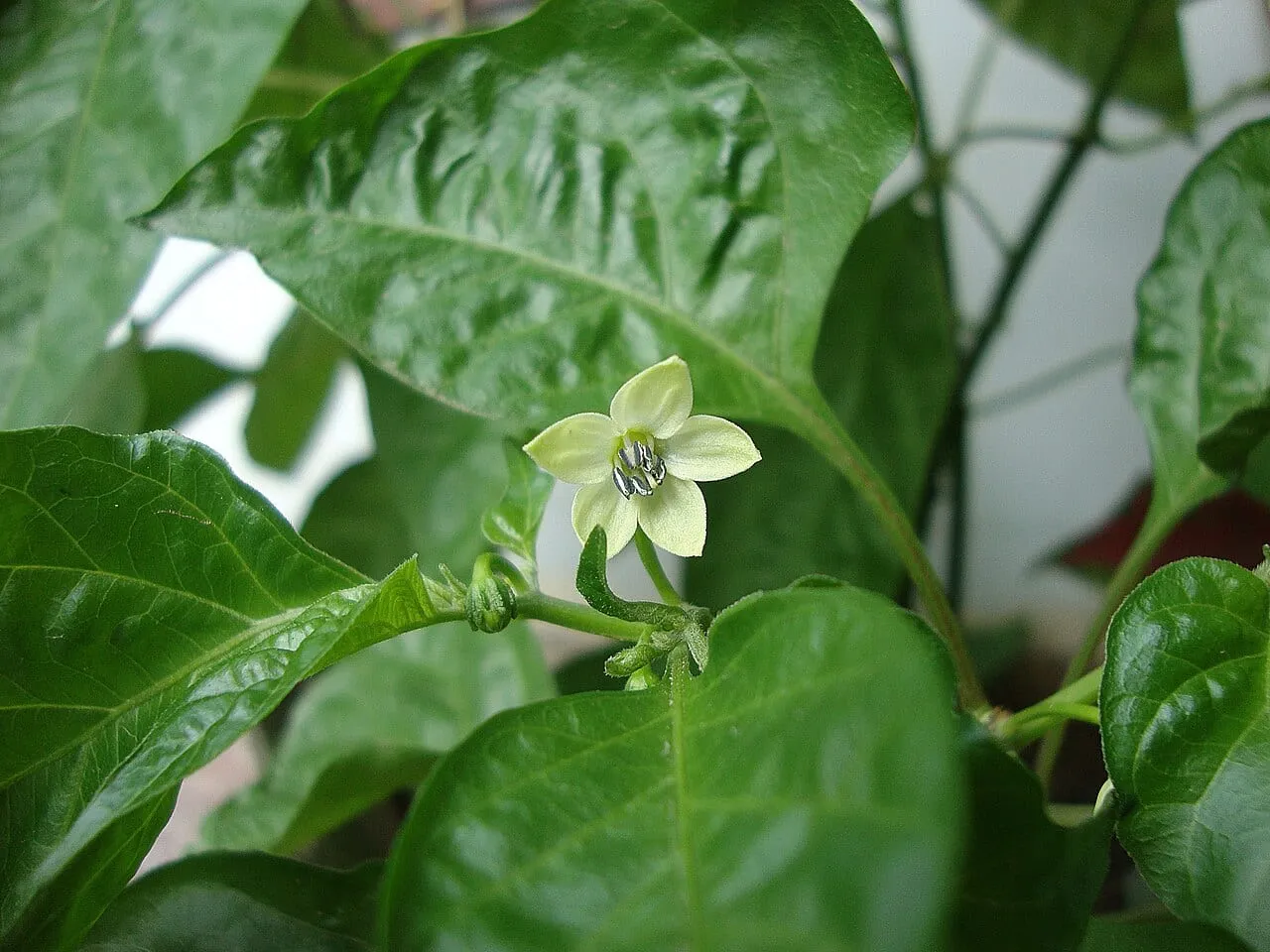
Peppers shed flowers when night temperatures swing outside a narrow band. The numbers that matter, and the causes you can actually control.
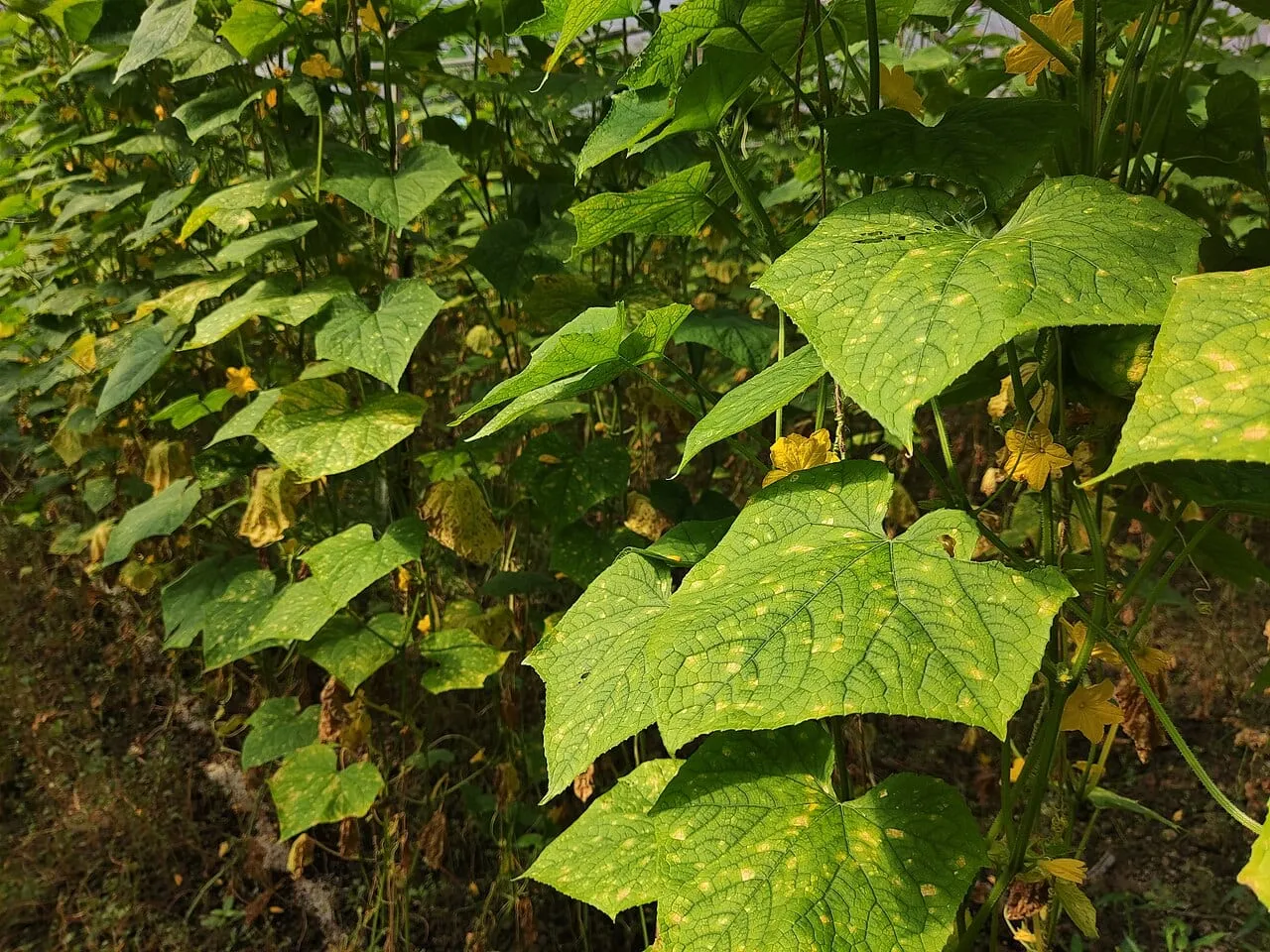
Yellow cucumber leaves point to a pest or one of two mildews. How to narrow it down by the pattern and which leaves went first.
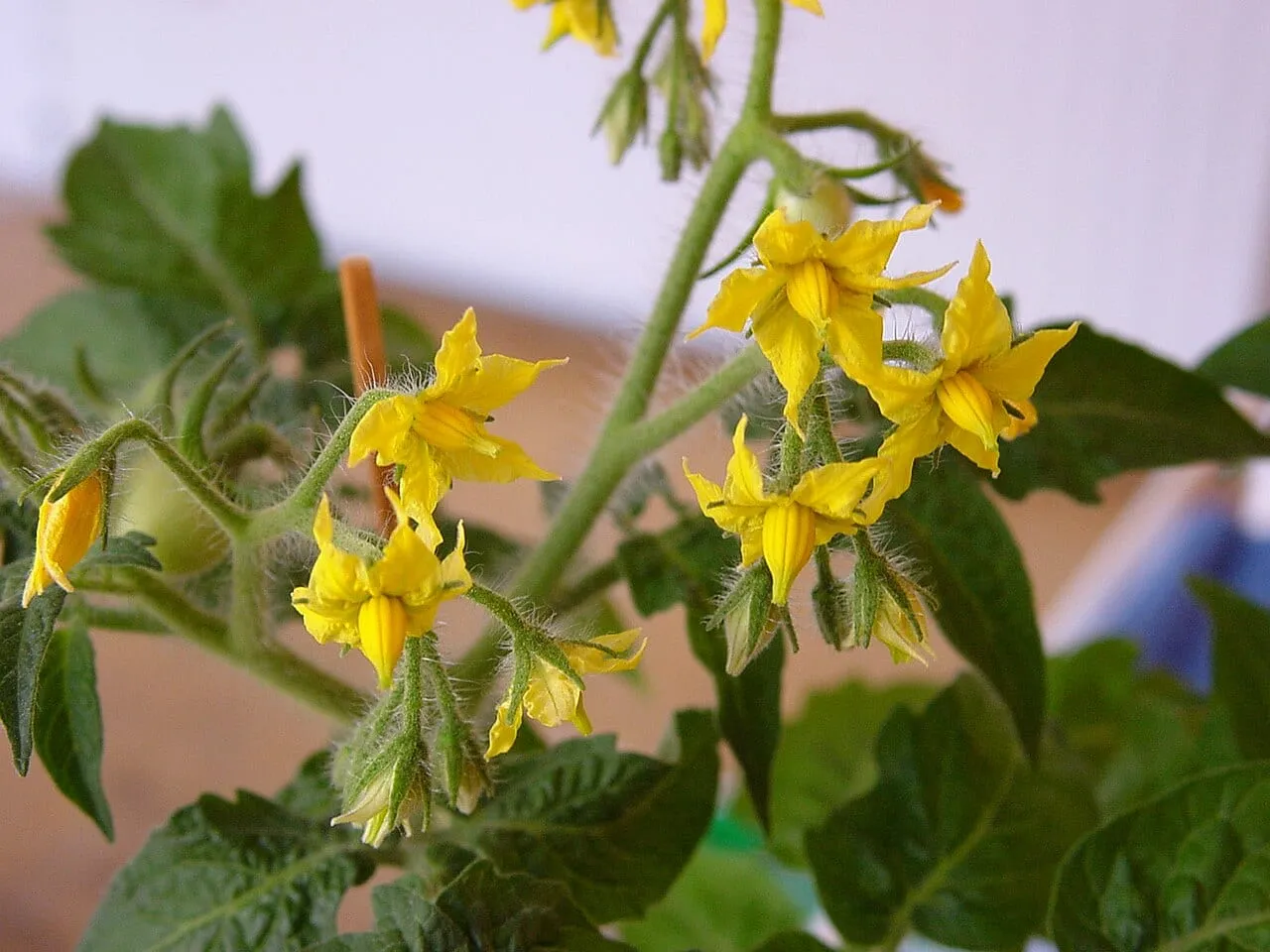
Tomato flowers drop without setting when it is too hot, too cold, or too shaded. How to identify the cause and improve the set.
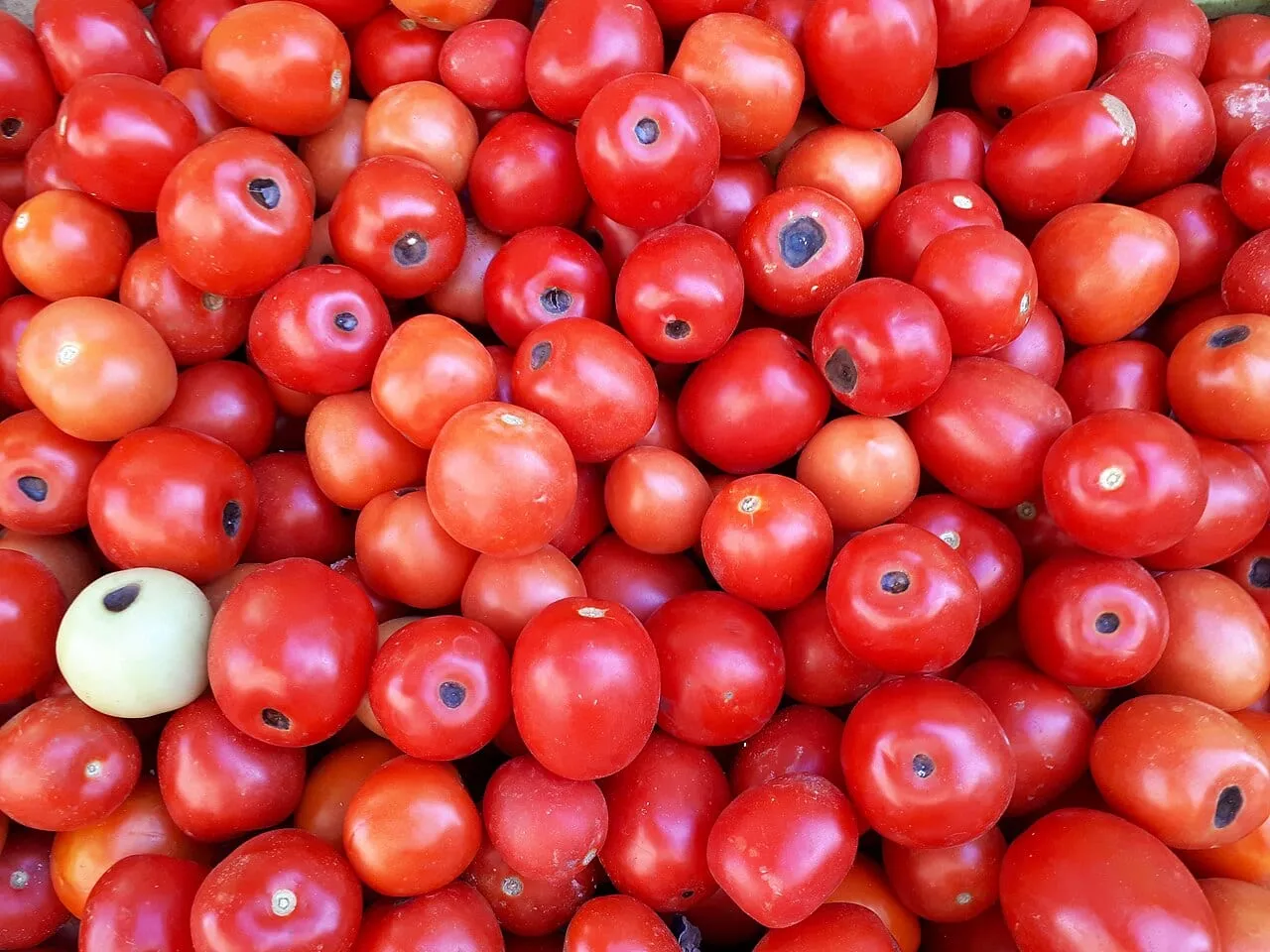
Blossom end rot is a calcium problem, but usually one of delivery rather than supply. Why watering fixes more cases than calcium sprays do.