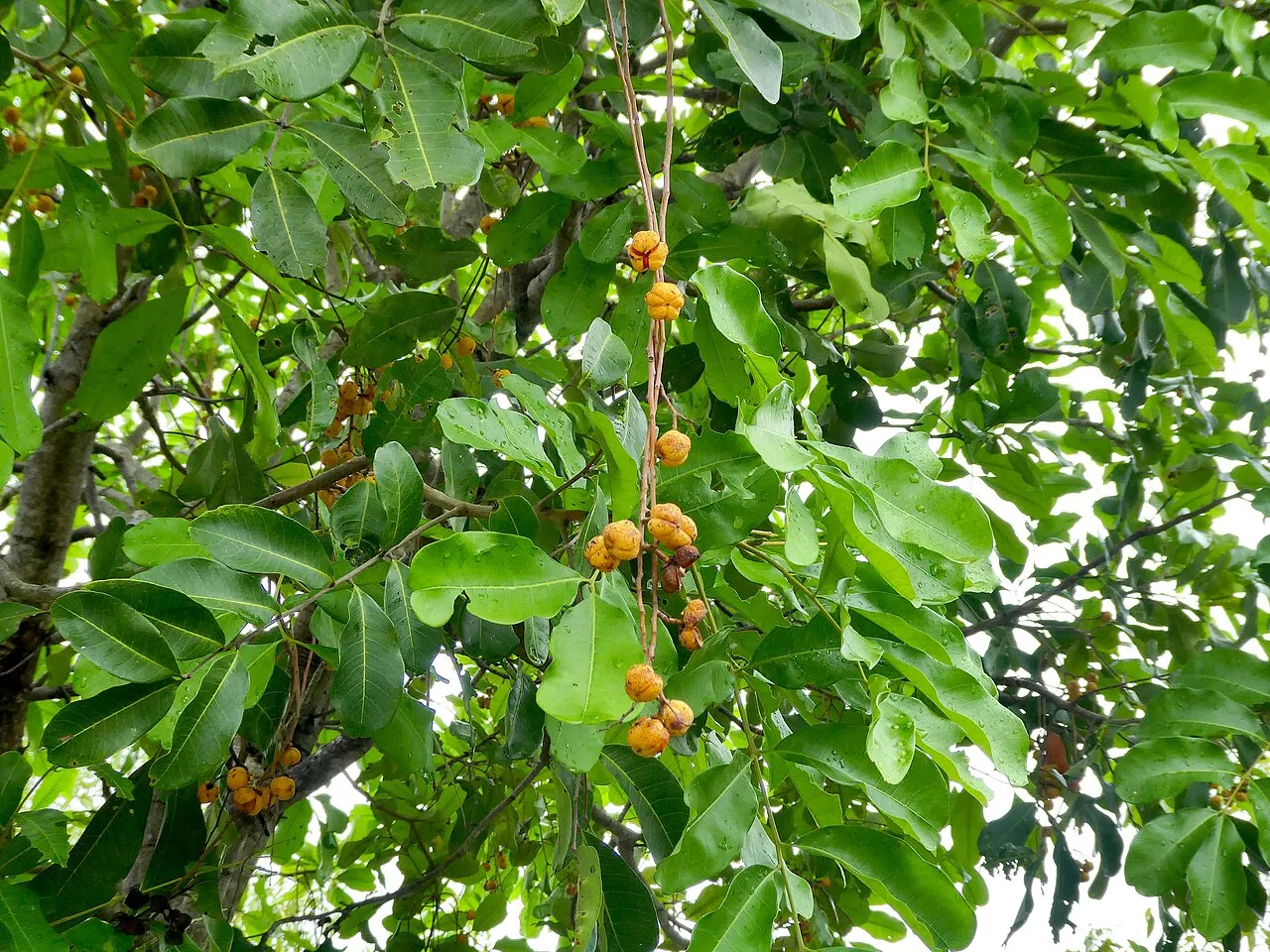
How to Grow and Care for Carrotwood Tree
Carrotwood is a Florida noxious weed and illegal to plant there. Here is how to identify it, why it spreads, and what to do if one is on your lot.
Category
Planning beds, borders, paths and planting schemes that hold together across the whole season.
14 articles
Carrotwood is a Florida noxious weed and illegal to plant there. Here is how to identify it, why it spreads, and what to do if one is on your lot.

Boston ivy is not an ivy, and its adhesive pads should never touch wood or shingles. Here is where it belongs, and how to get it off a wall.
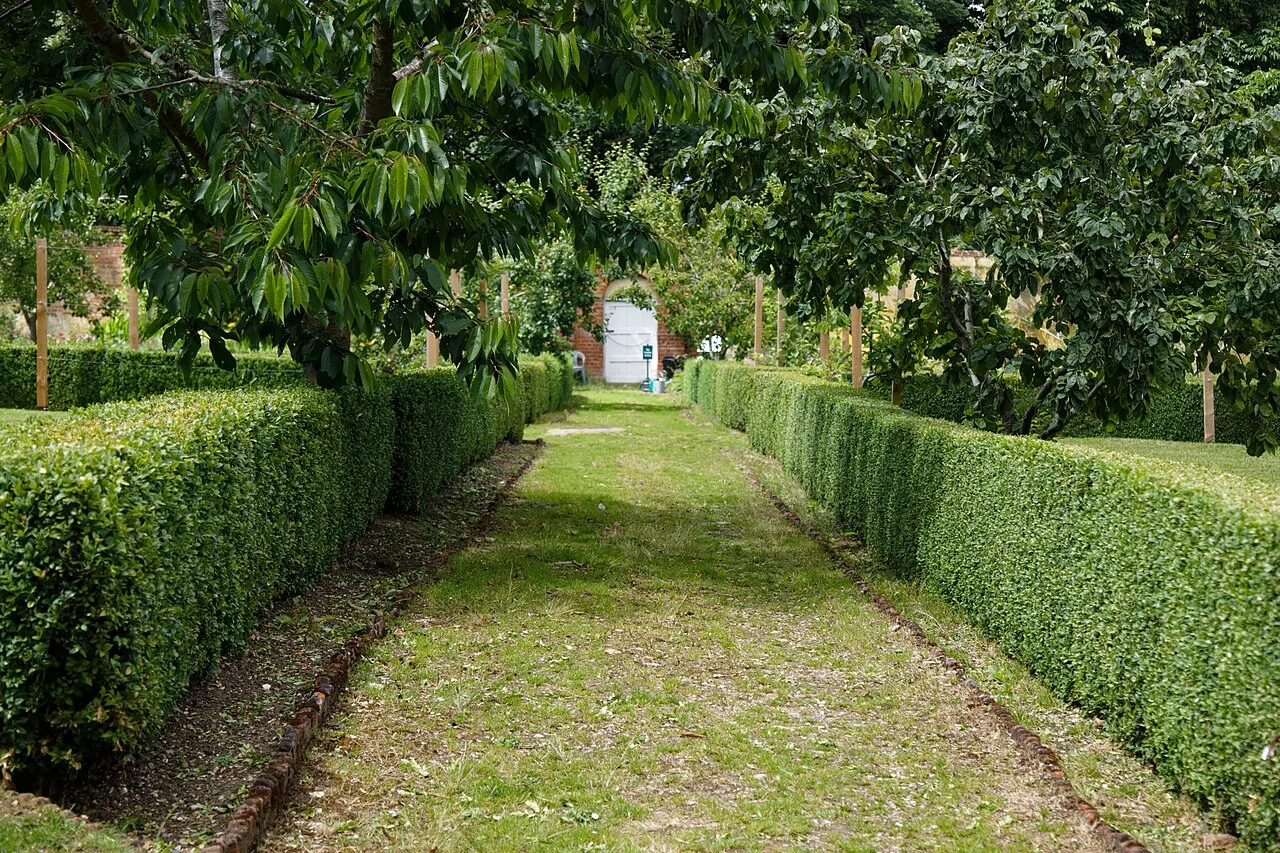
Boxwood blight has changed how this shrub should be bought and pruned. Here is the disease, the shallow-root problem, and why some plants bronze in winter.
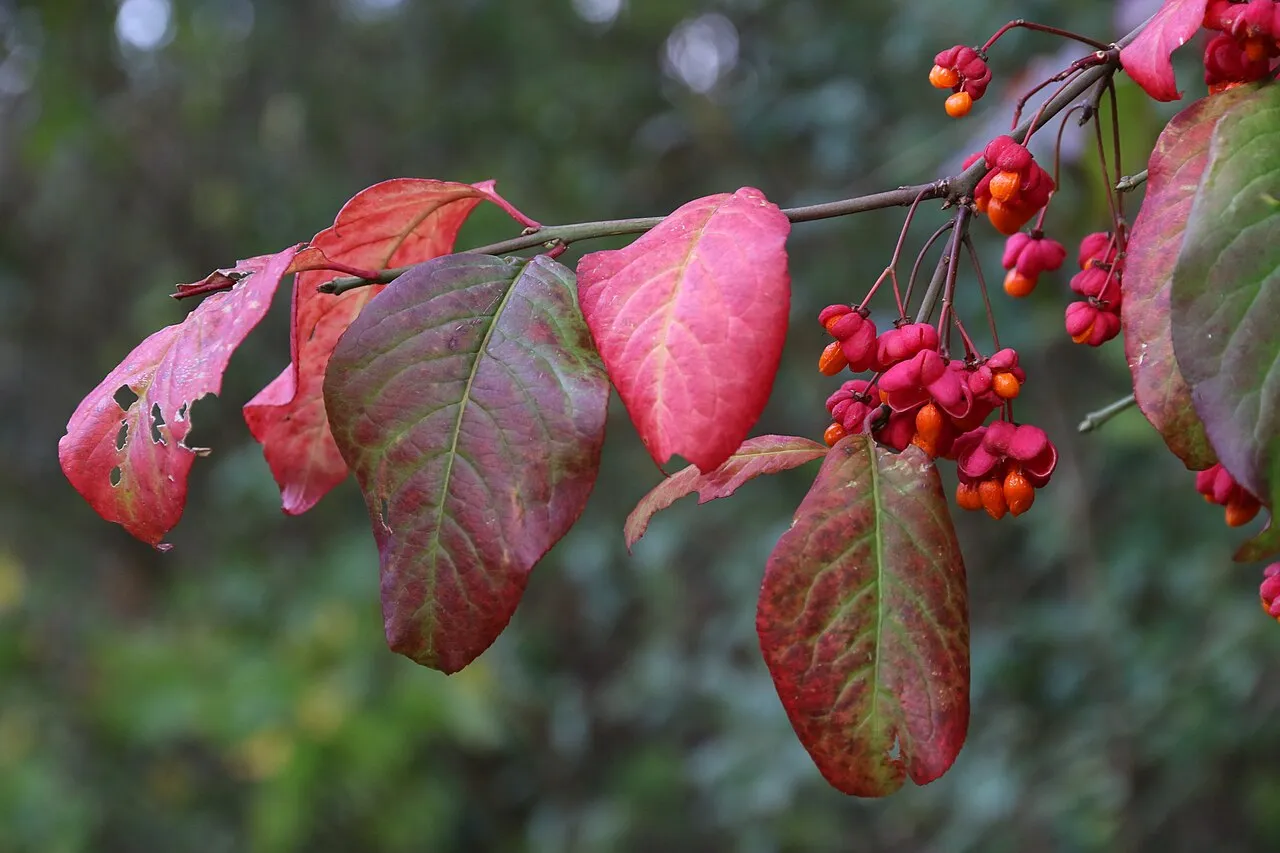
Spectacular red autumn colour, and invasive from Connecticut to South Carolina and west to Wisconsin. Here is the problem, and NC State's list of native replacements.
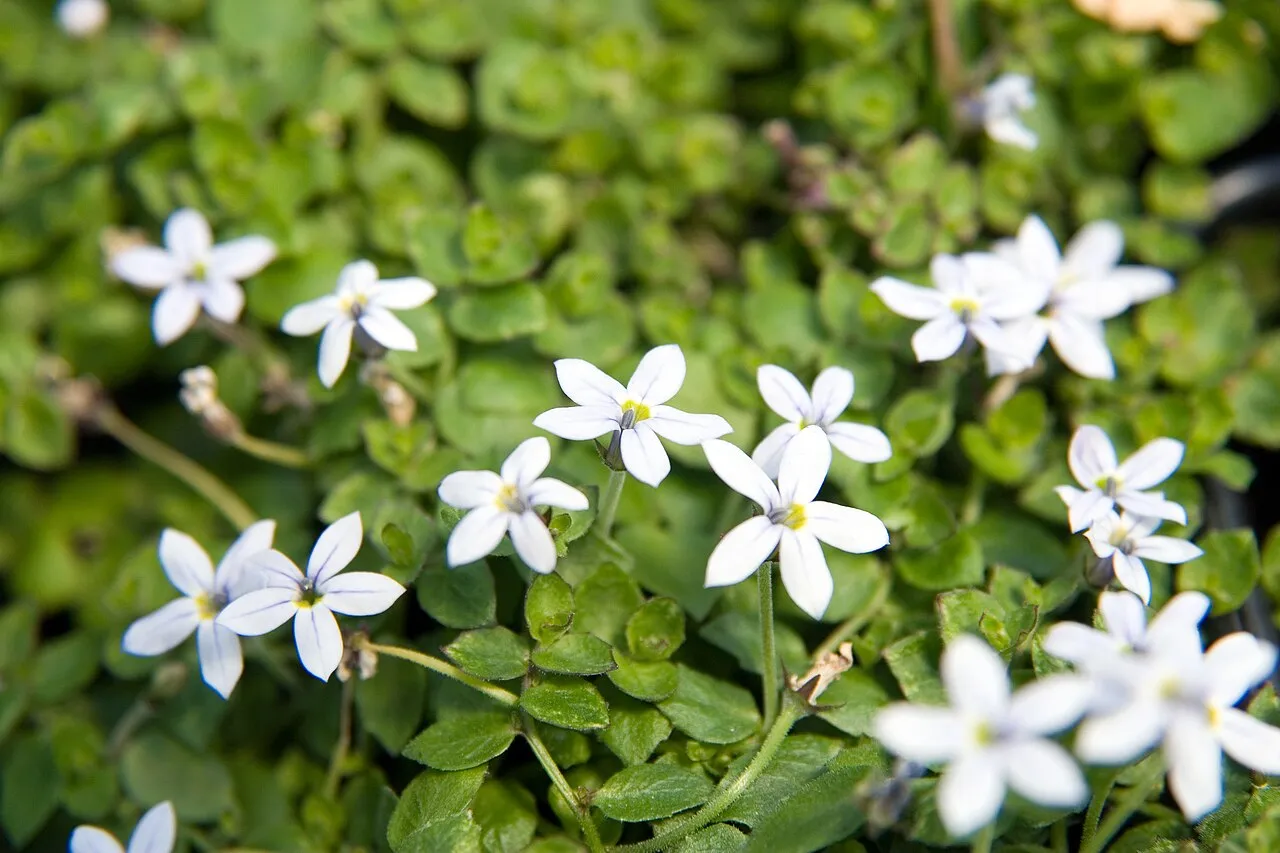
A two-inch walkable groundcover for between pavers, studded with pale blue stars from spring into summer. It needs moisture, and it needs edging.
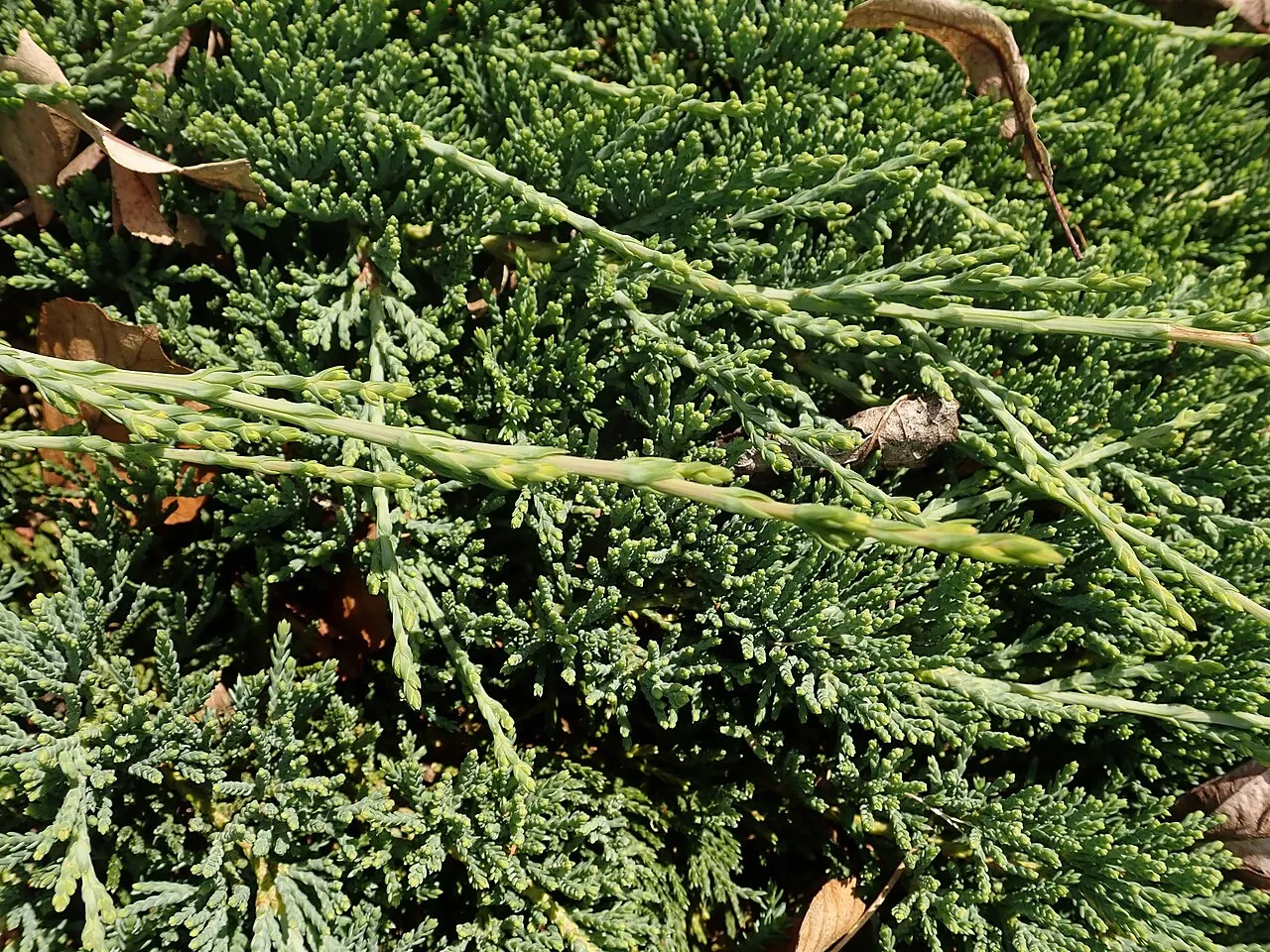
Six inches tall and six feet wide, drought, salt and deer tolerant — and a cultivar of a North American native. The best groundcover for a hot dry slope.
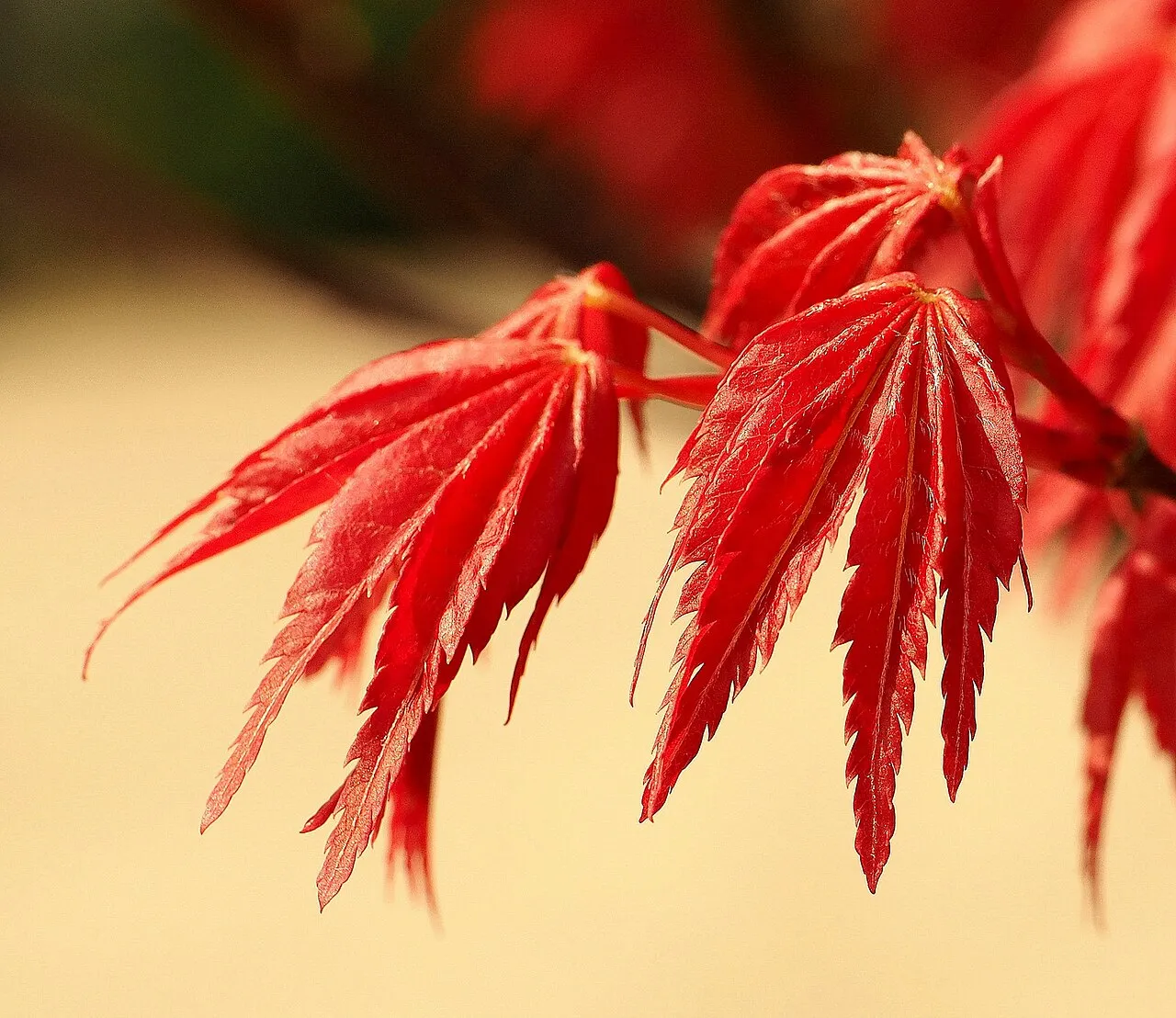
'Bloodgood' holds its red through summer better than most, but only with the right light. Here is where to plant it, and the two problems worth knowing.
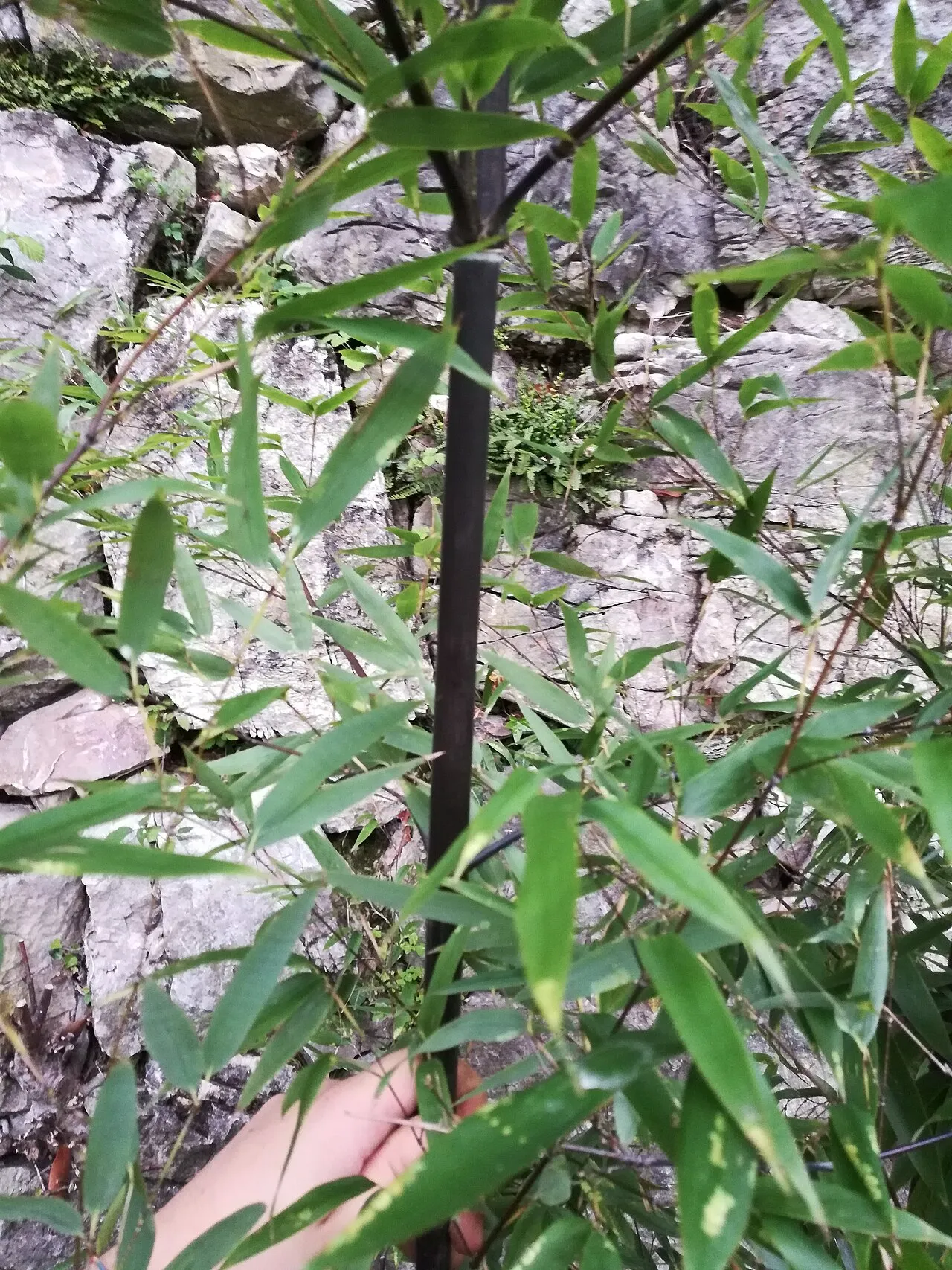
Black bamboo is a running bamboo that can spread 15 feet a year. Plant it only with a containment plan — here is what that actually requires, and the alternative.
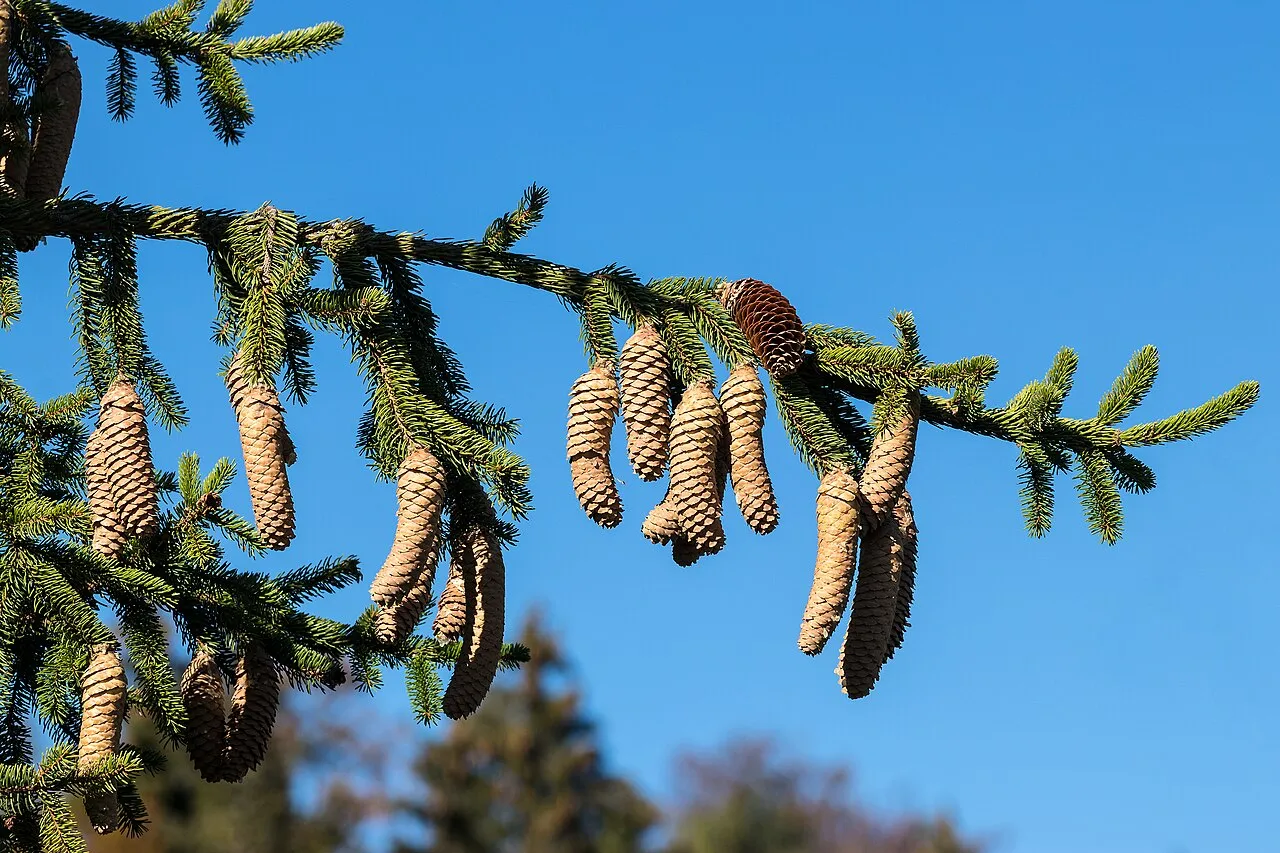
A fast 60-foot conifer for cold climates that fails in hot ones — and the zone number alone will mislead you. Here is where it works and what kills it.
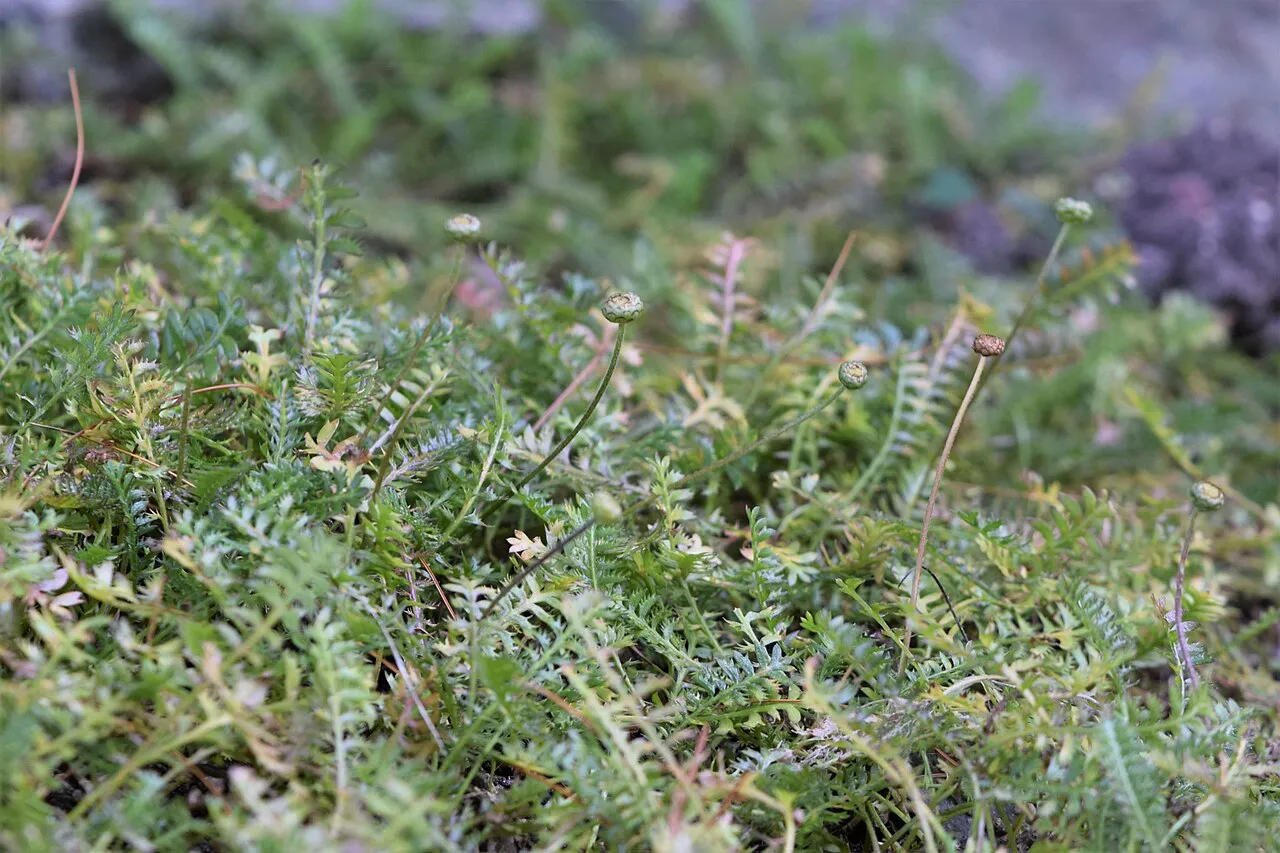
Brass buttons is a walkable, two-inch groundcover that works as a lawn alternative — provided your soil is neither compacted nor dry. Both limits are hard.

The shrubs sold for the front of a house are usually far too big for it. How to choose by mature size instead of pot size.
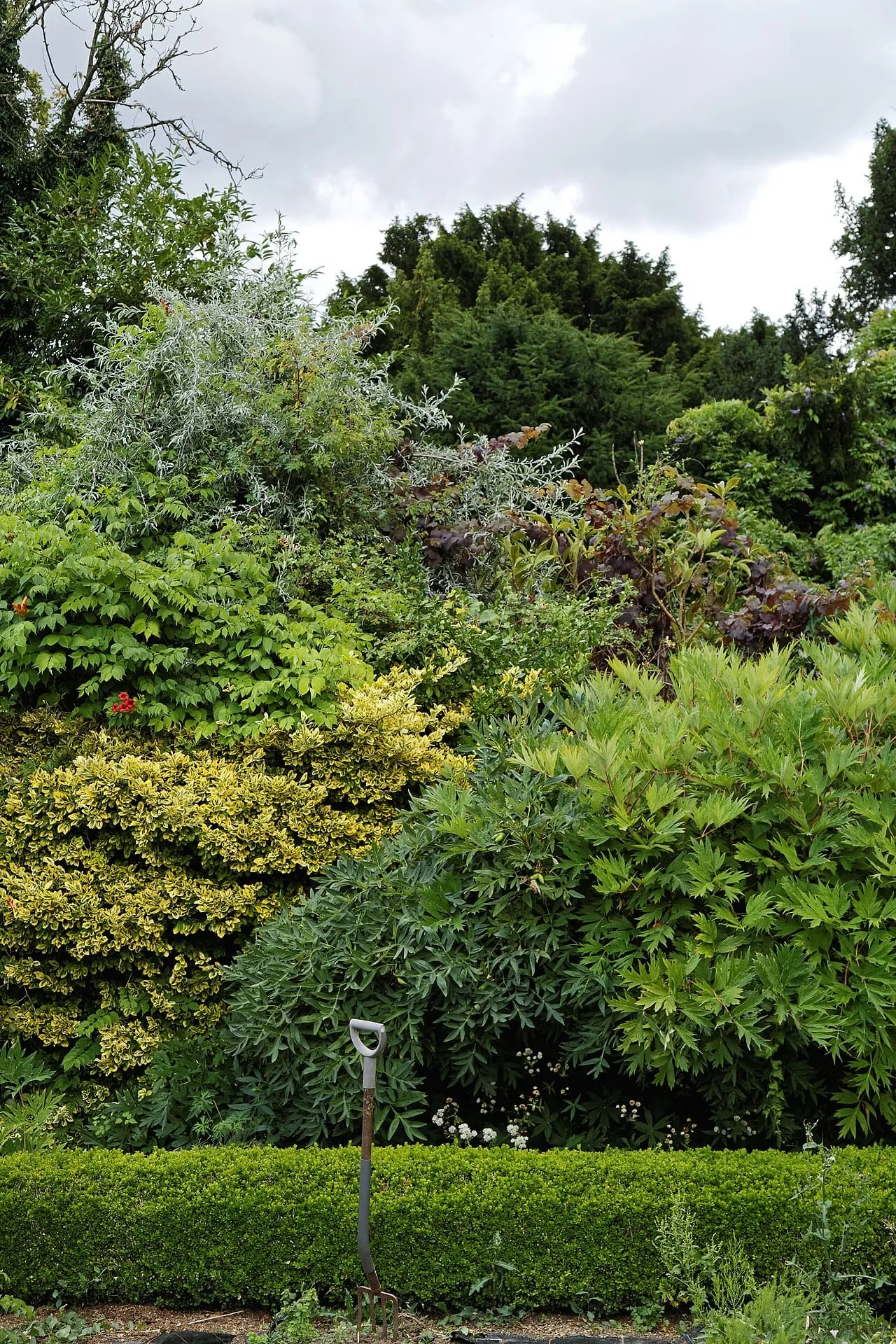
Spacing is set by mature width, which is why new planting looks sparse. How to space properly and live with the gap.
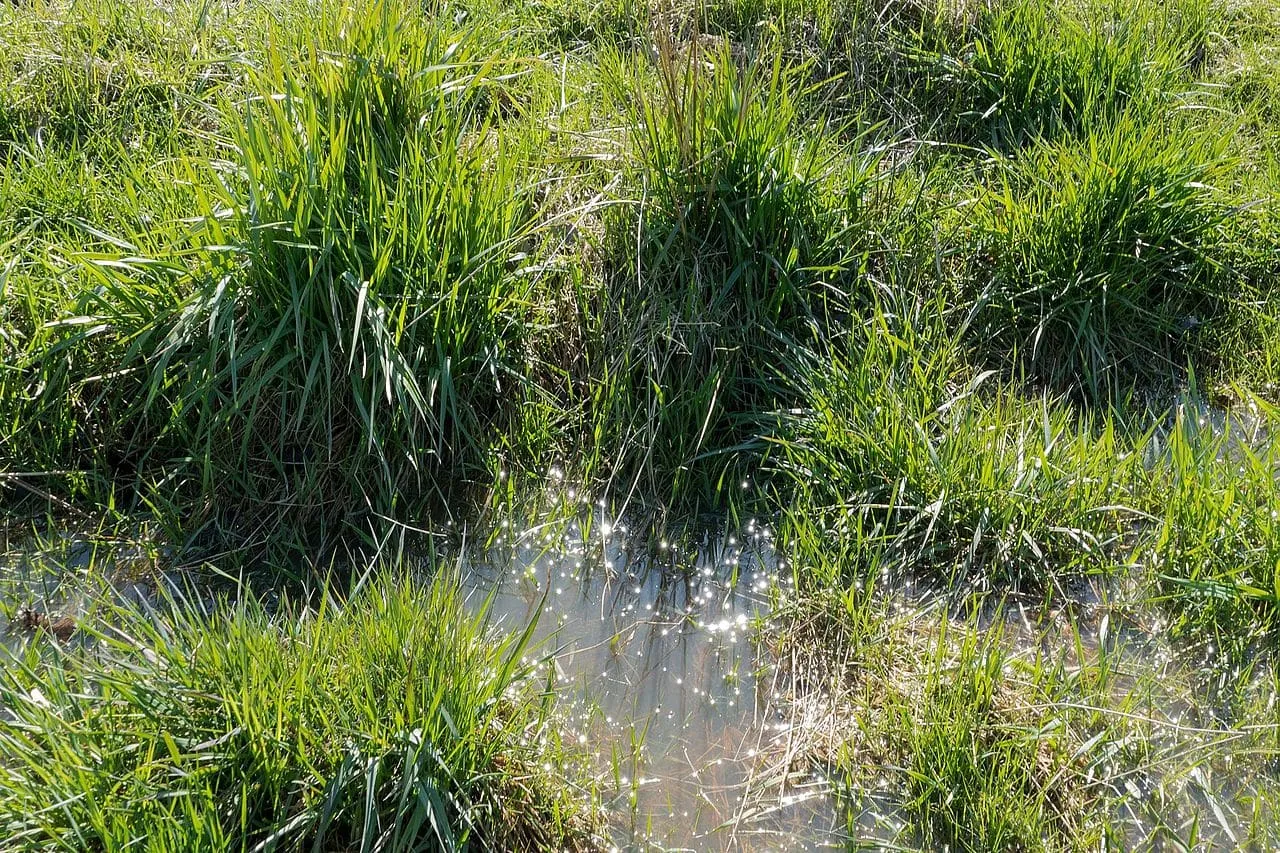
The percolation test takes a spade and an afternoon, and it decides what you can plant. How to run it and read the result.
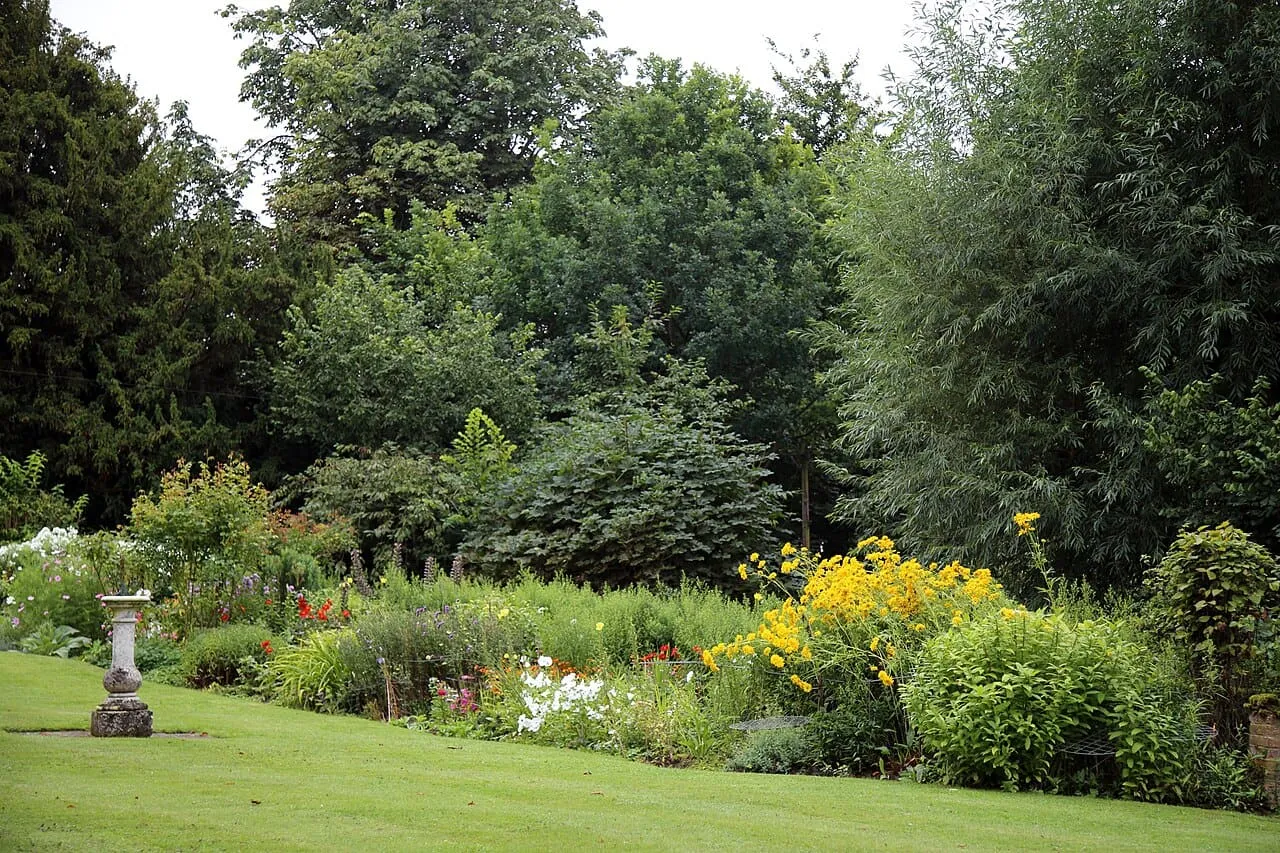
Most planting failures are siting failures. How to assess light, drainage and exposure before you spend anything.