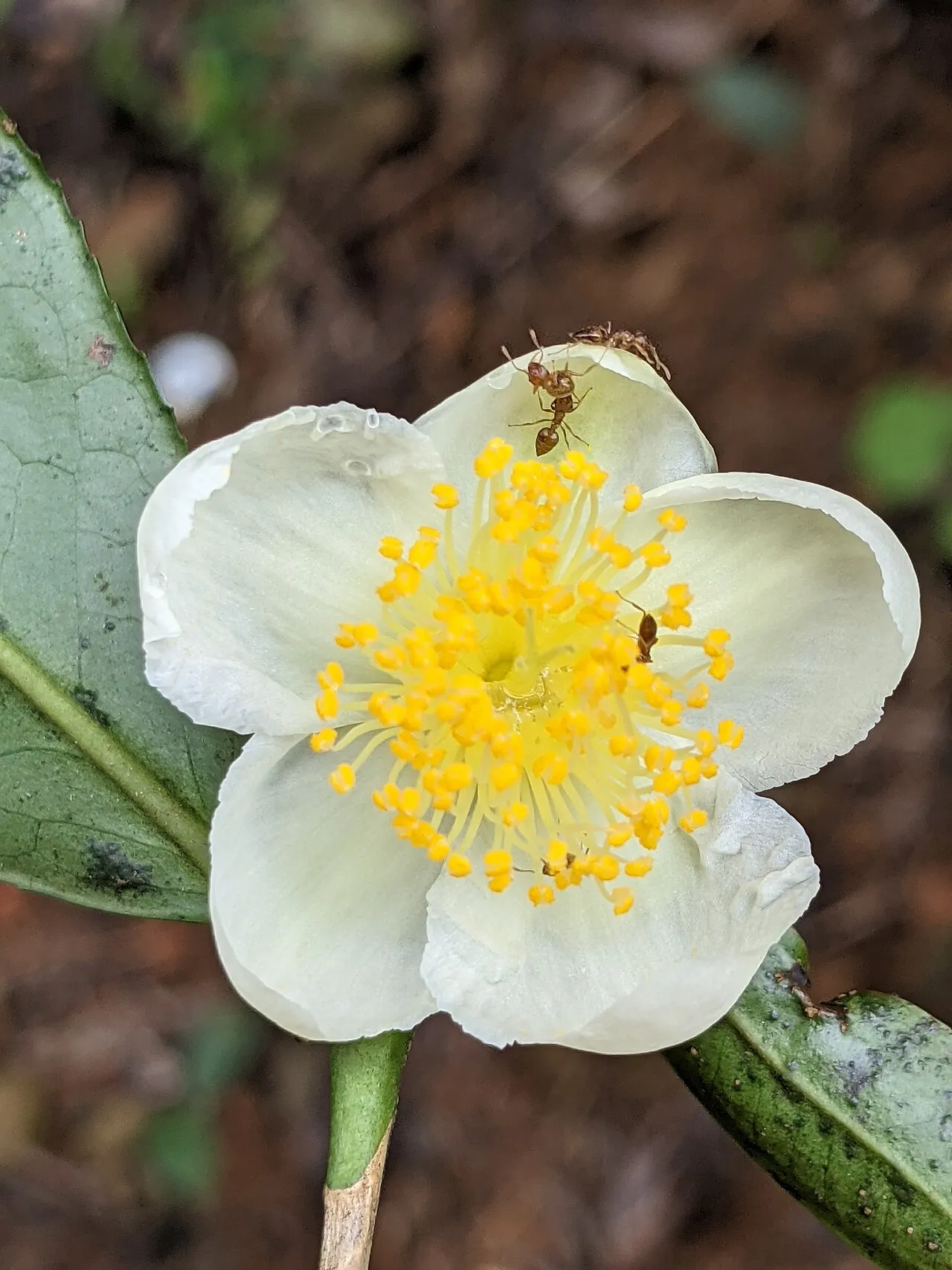
How to Grow and Care for Camellia Sinensis
Green, black, white and oolong tea all come from this one shrub — the difference is which leaves you pick. And it is hardy to zone 6, so more gardeners could grow it.
Category
Perennials, annuals, shrubs and bulbs: what to plant, when to plant it, and how to keep it blooming.
32 articles · Page 1 of 2
Green, black, white and oolong tea all come from this one shrub — the difference is which leaves you pick. And it is hardy to zone 6, so more gardeners could grow it.
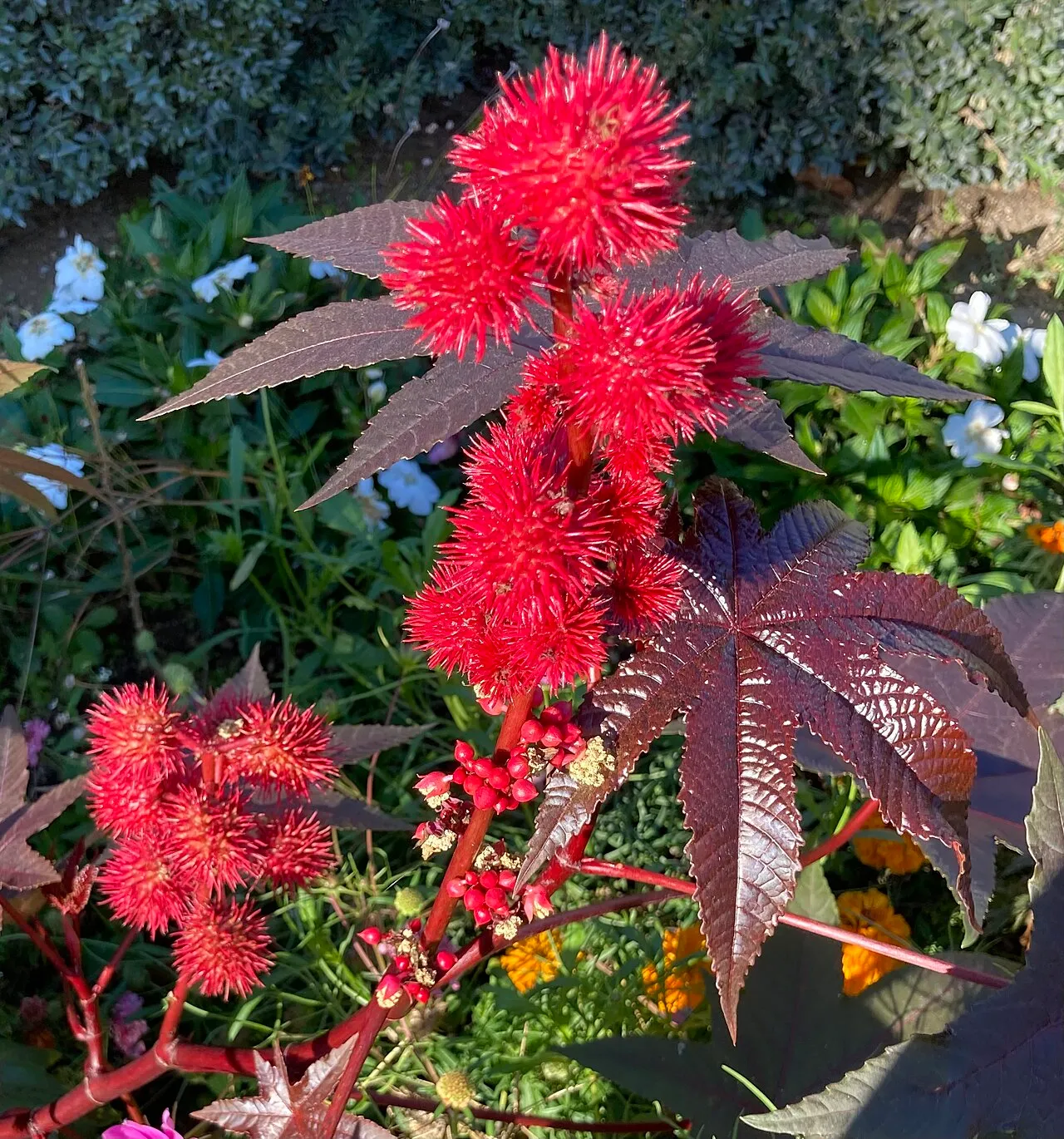
A spectacular six-foot annual and one of the most poisonous plants sold in garden centres — a few seeds can kill. Here is how to grow it, if you should at all.
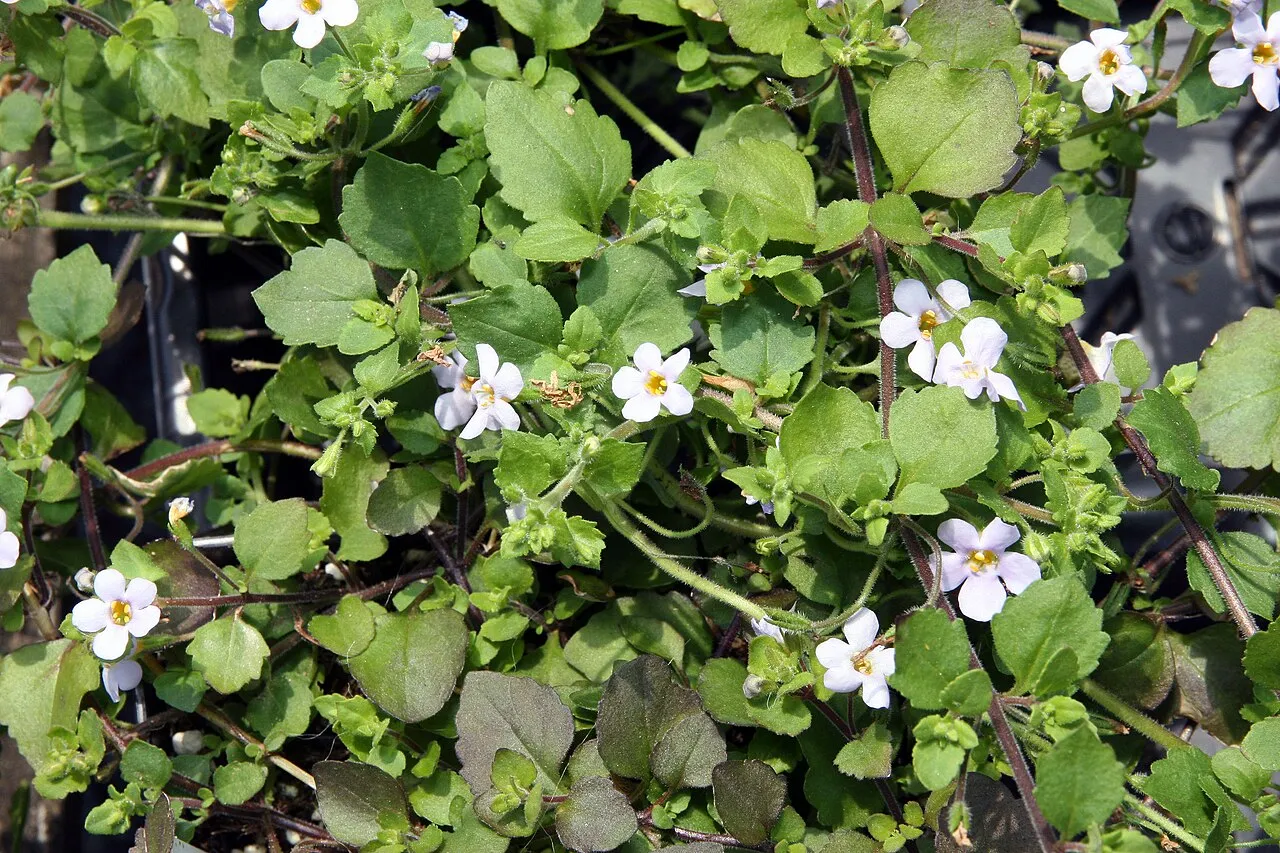
The trailing white-flowered basket plant sold as bacopa is not in the genus Bacopa at all. Here is what it actually is, and what it needs.
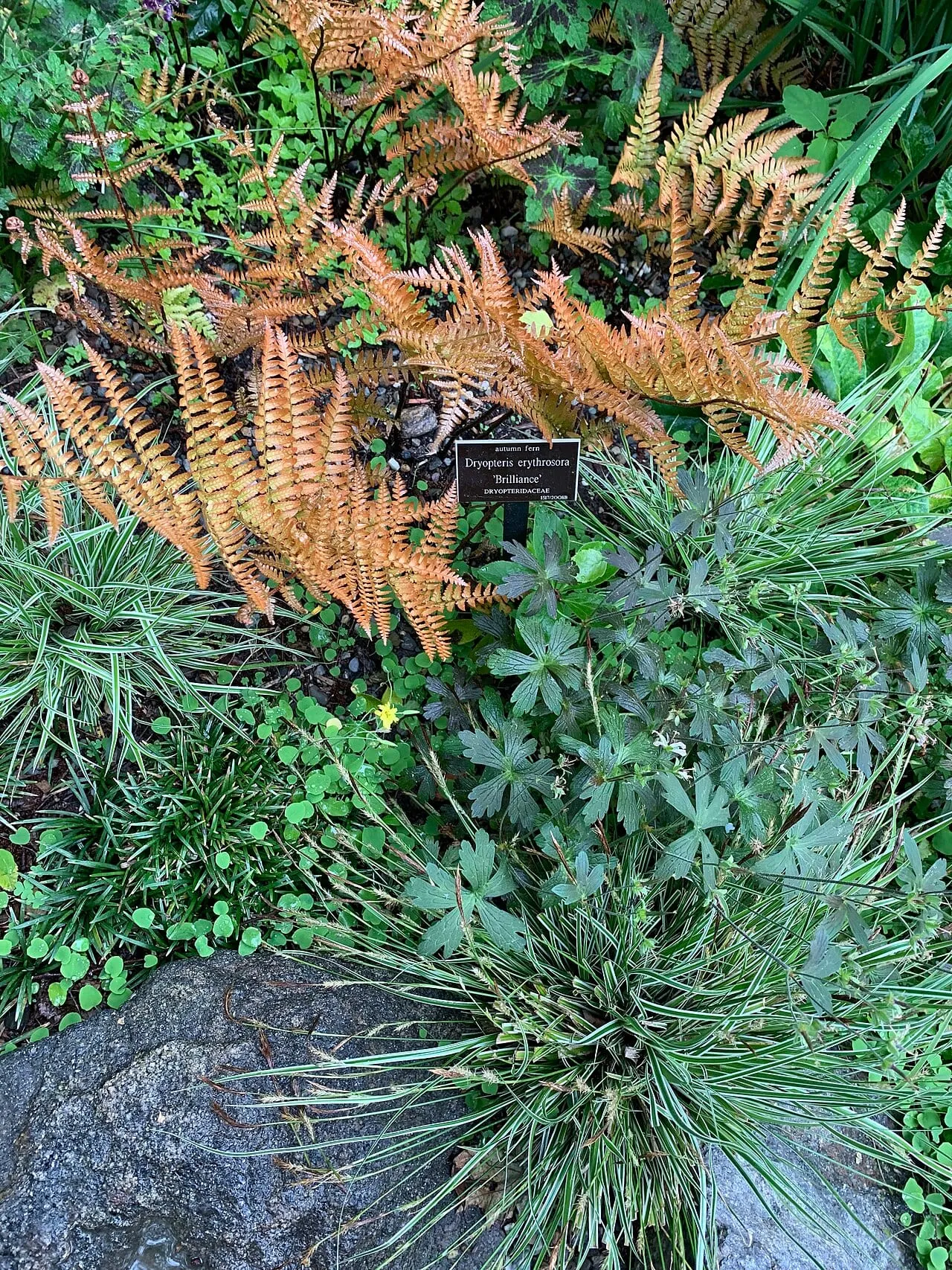
New fronds emerge coppery-pink and the plant stays standing through winter. One of the easiest hardy ferns — with one caution NC State raises about naturalising.
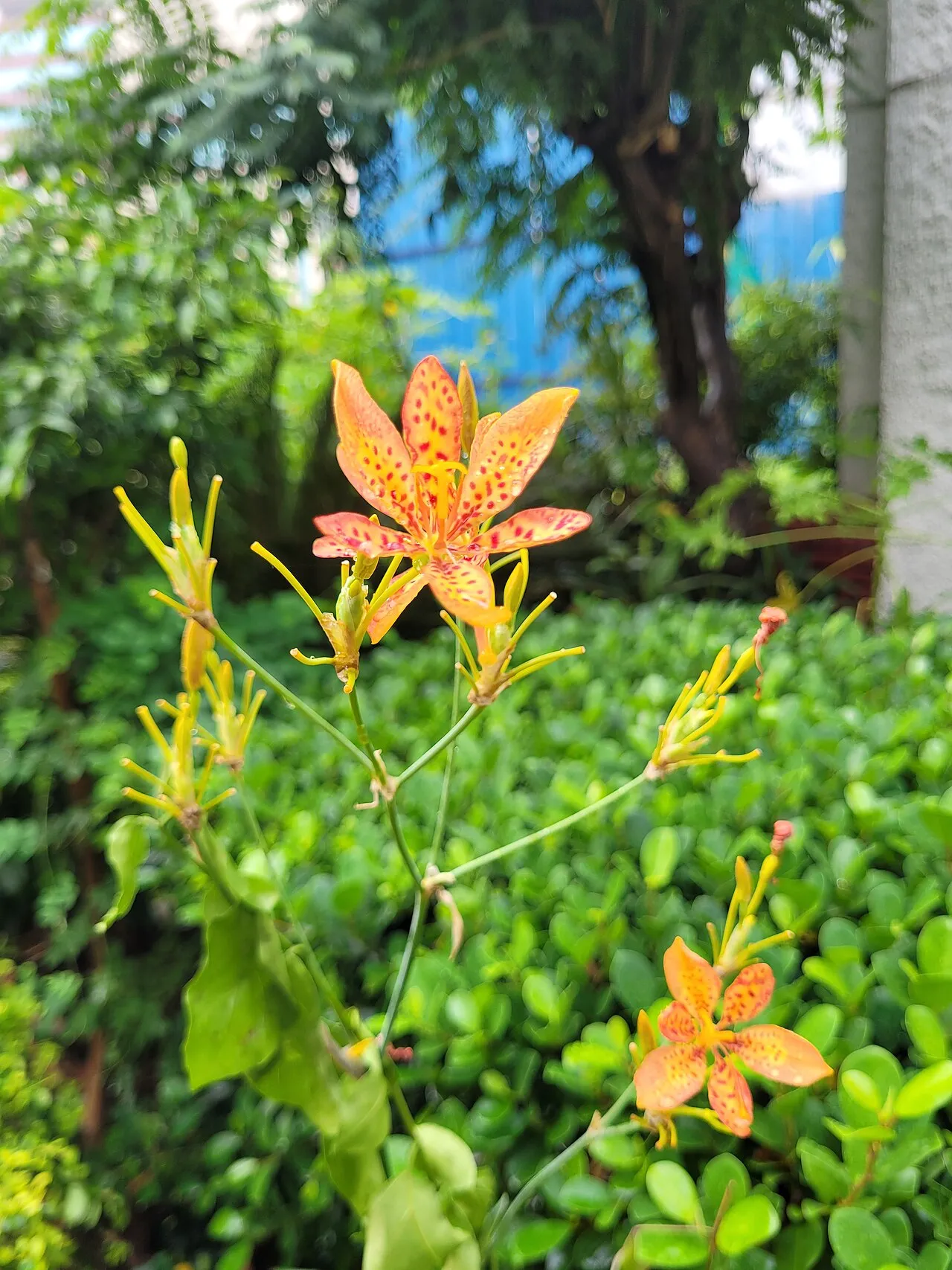
Not a lily but an iris, and named for its seed pods rather than its flowers. The blackberry-like seed clusters are the real reason to grow it.
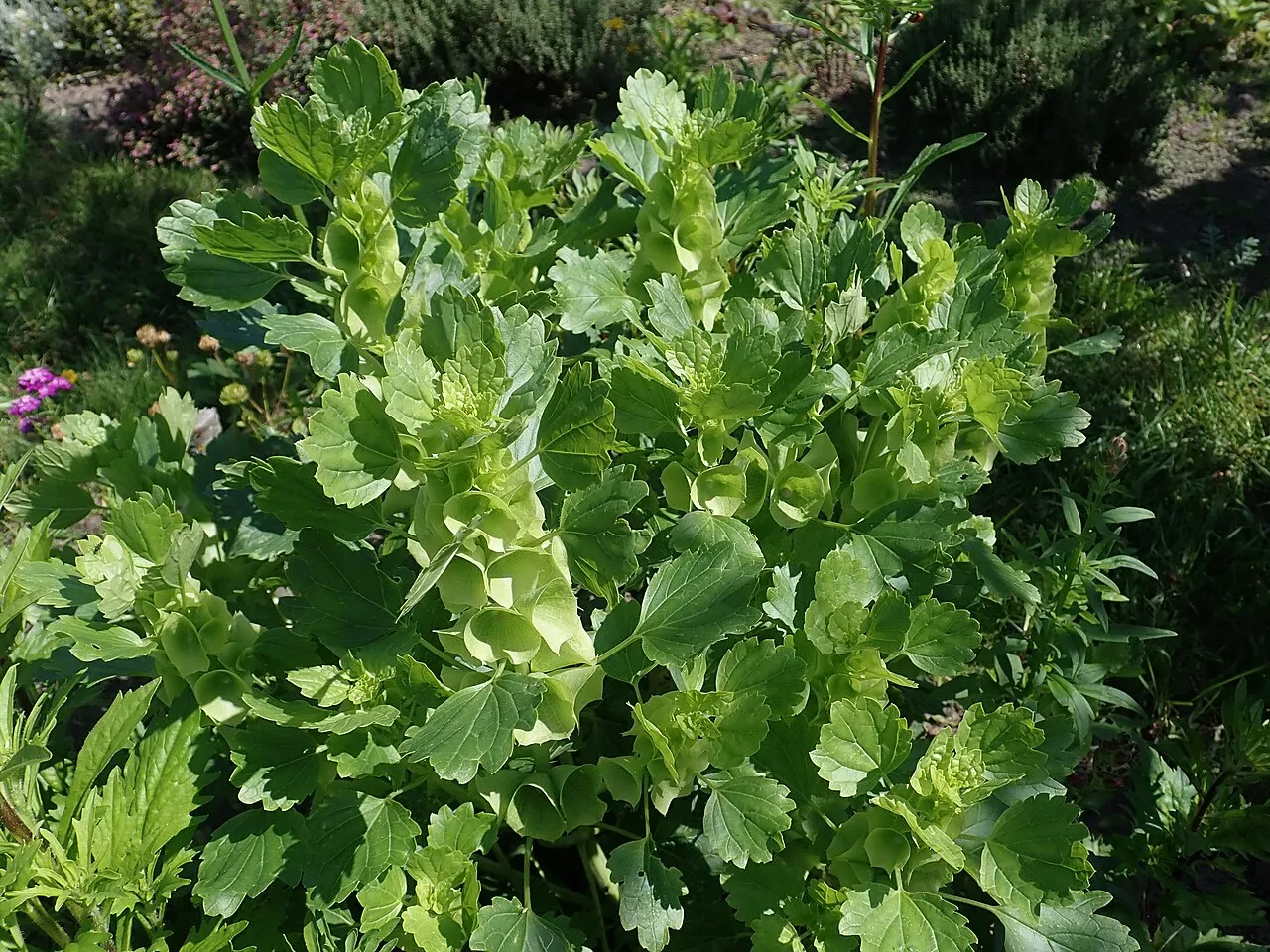
The green bells are not flowers — they are calyces, which is exactly why they last so long in a vase and dry so well. A cool-season annual that hates humid heat.
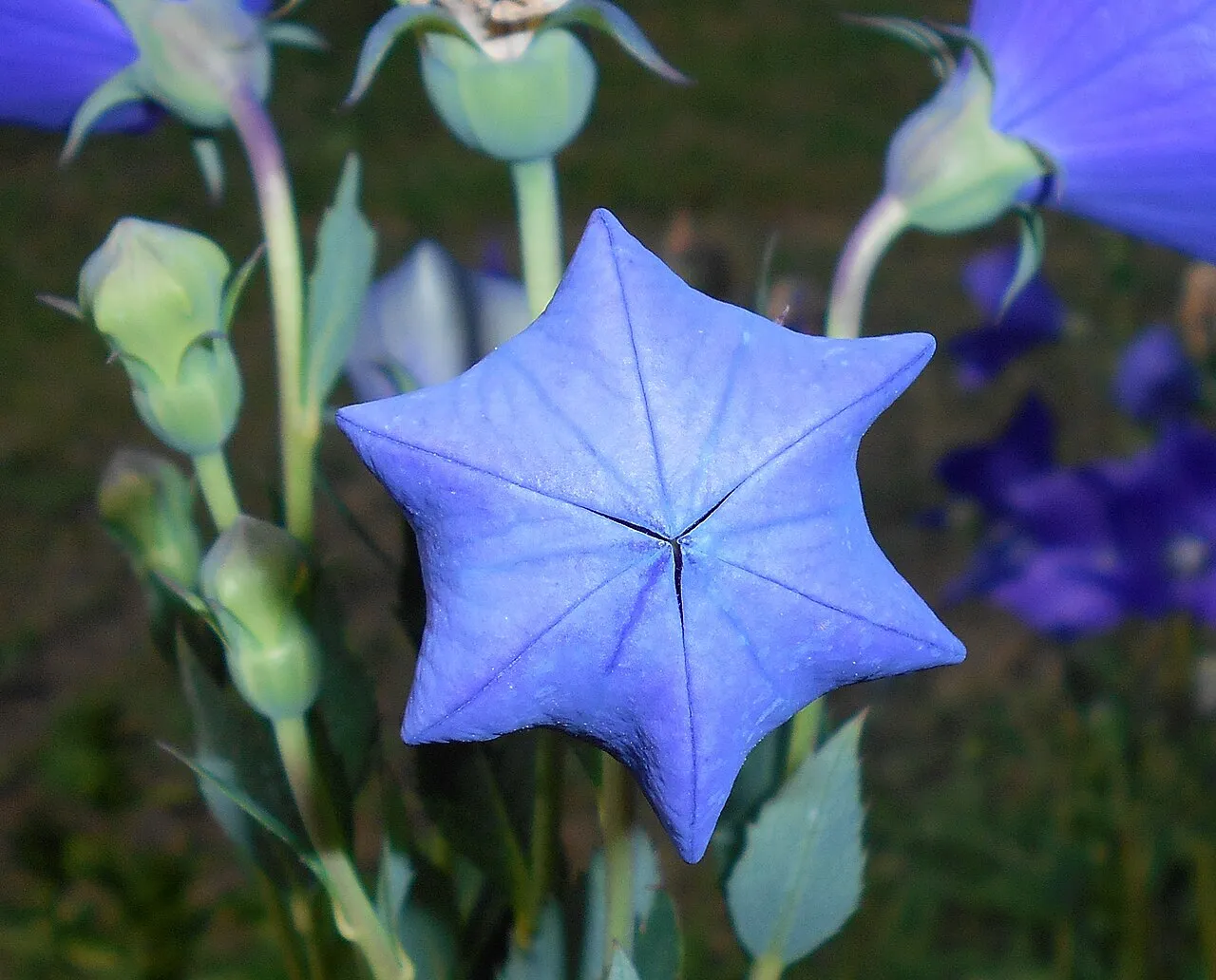
Balloon flower emerges very late in spring, so it gets dug up by gardeners who think it died. Mark it, leave it alone, and it will outlast most of the border.
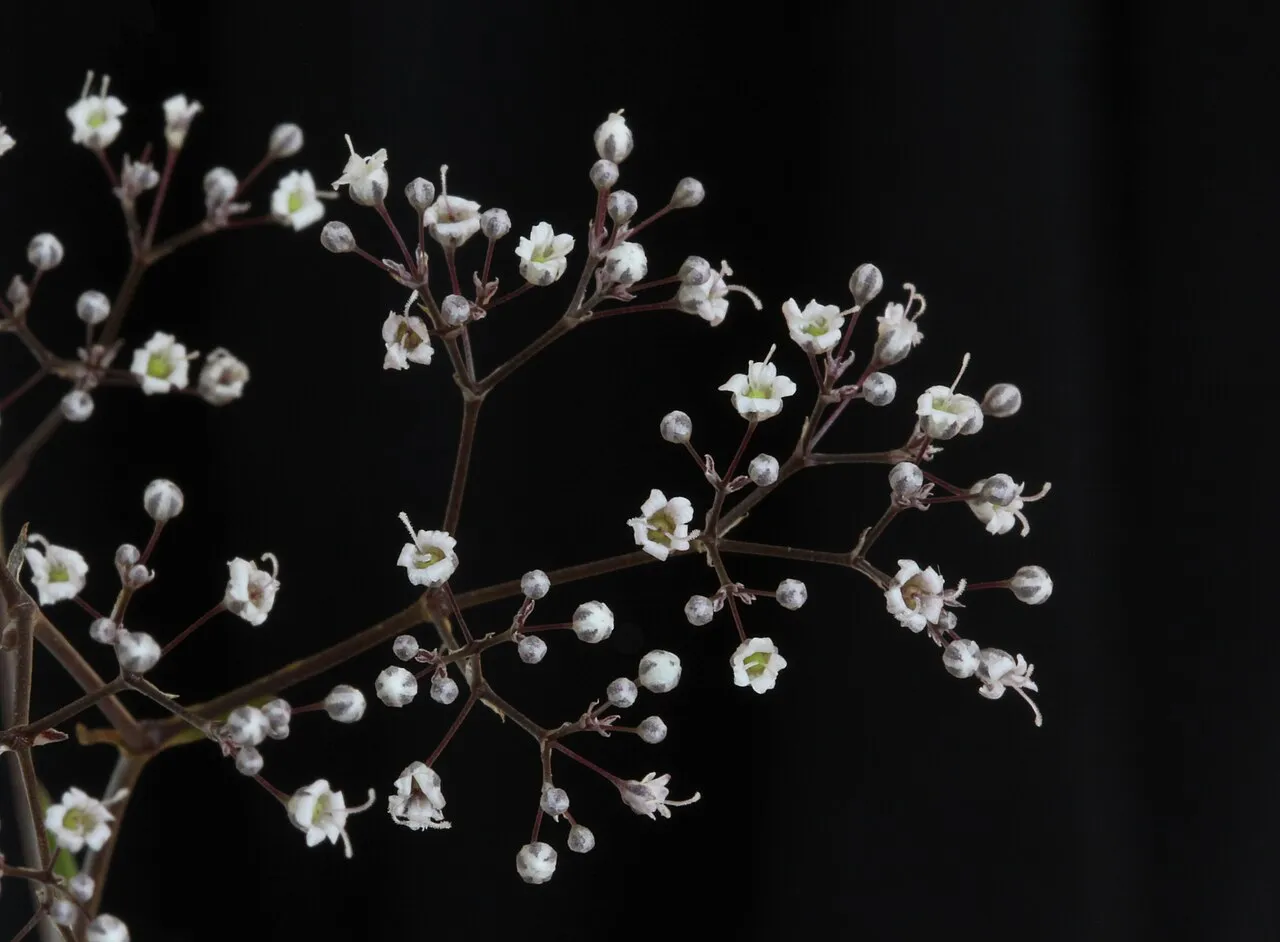
The florist's filler is a declared noxious weed across the West and invasive around the Great Lakes. Check your state before planting, then plant it once and leave it.
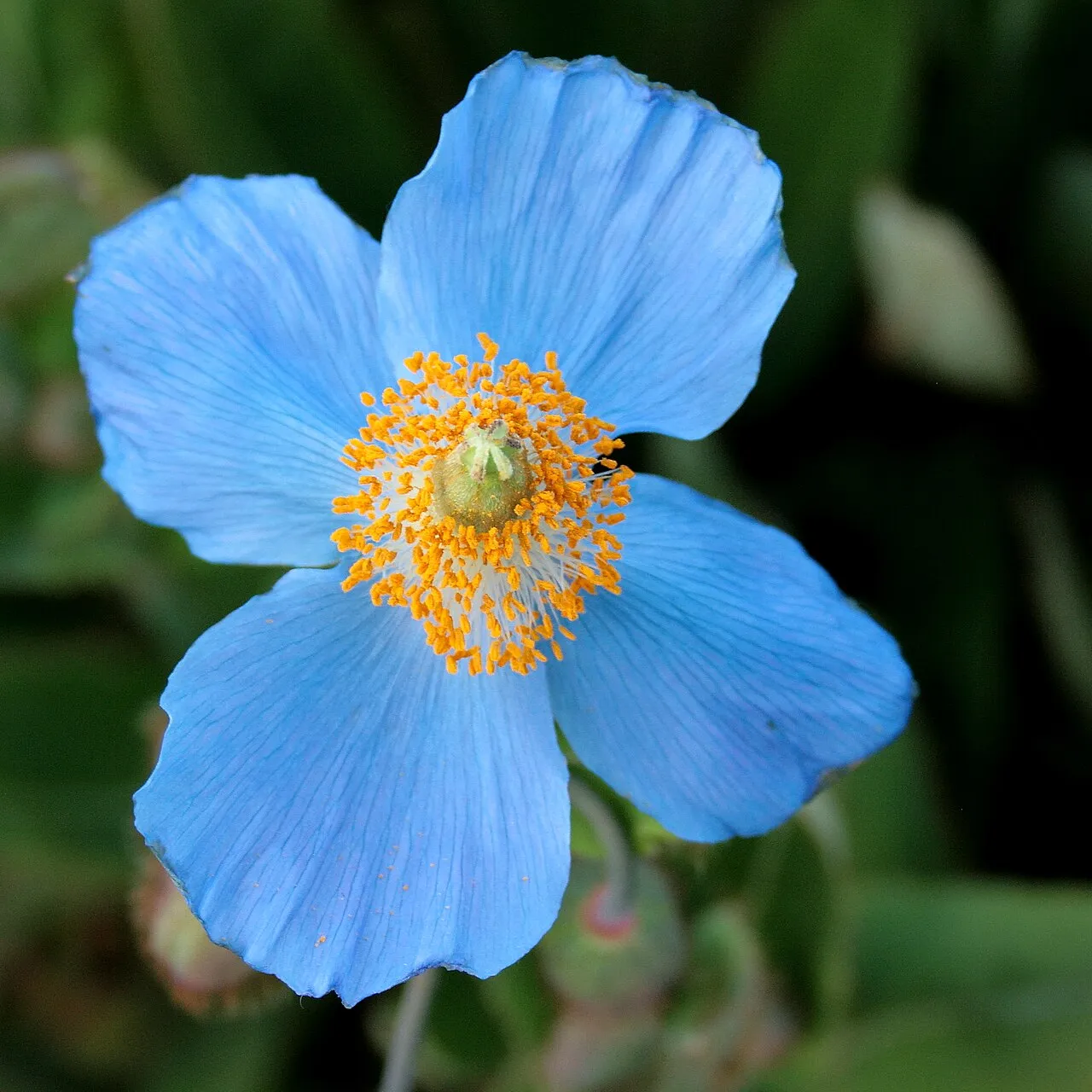
The Himalayan blue poppy needs cool, humid summers under 80°F. Most US gardens cannot supply that, and this article says so before telling you how to try.
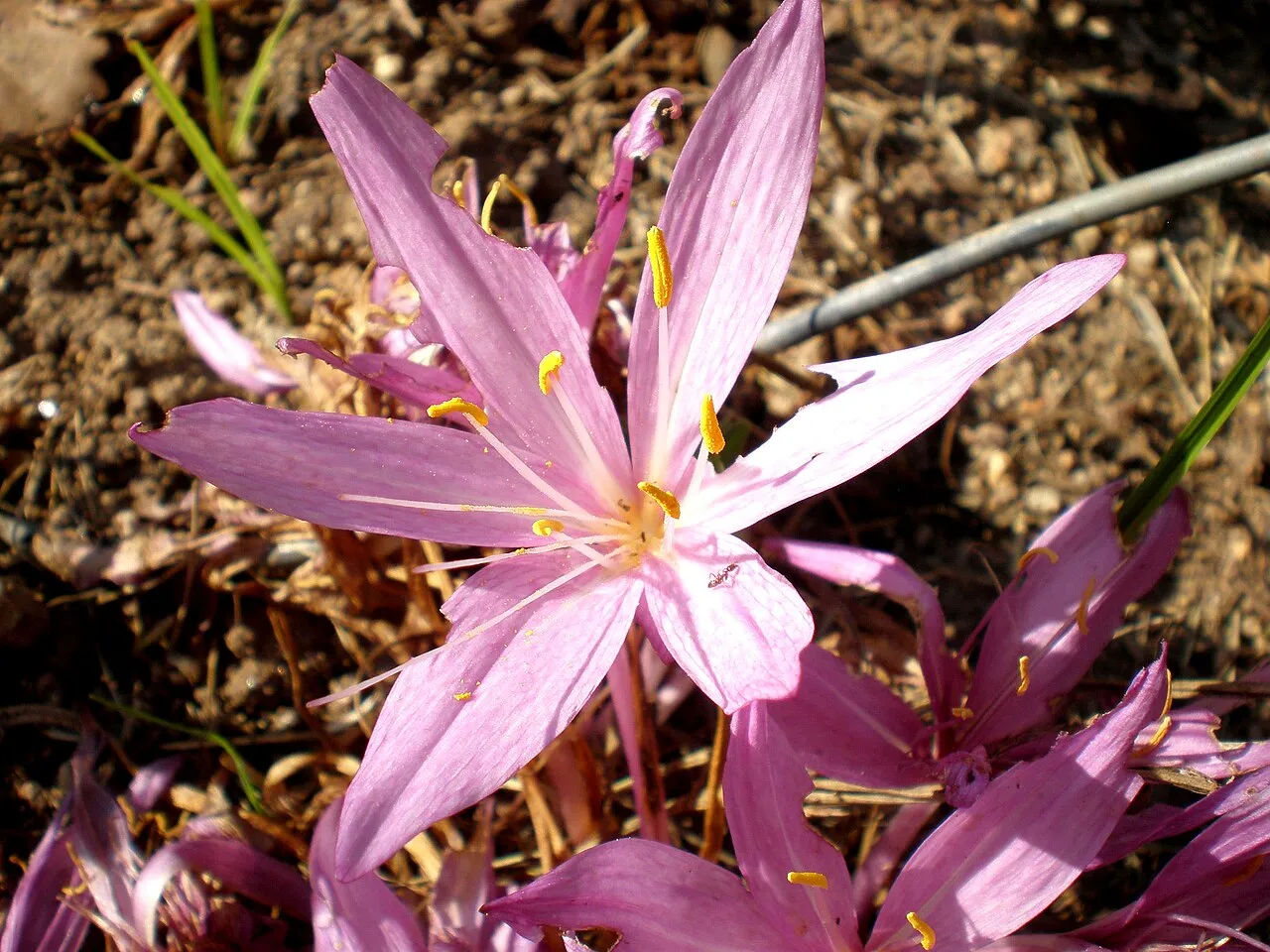
Autumn crocus is a beautiful fall bulb and one of the most poisonous plants sold in garden centres. It is also confused with saffron crocus, which has killed people.
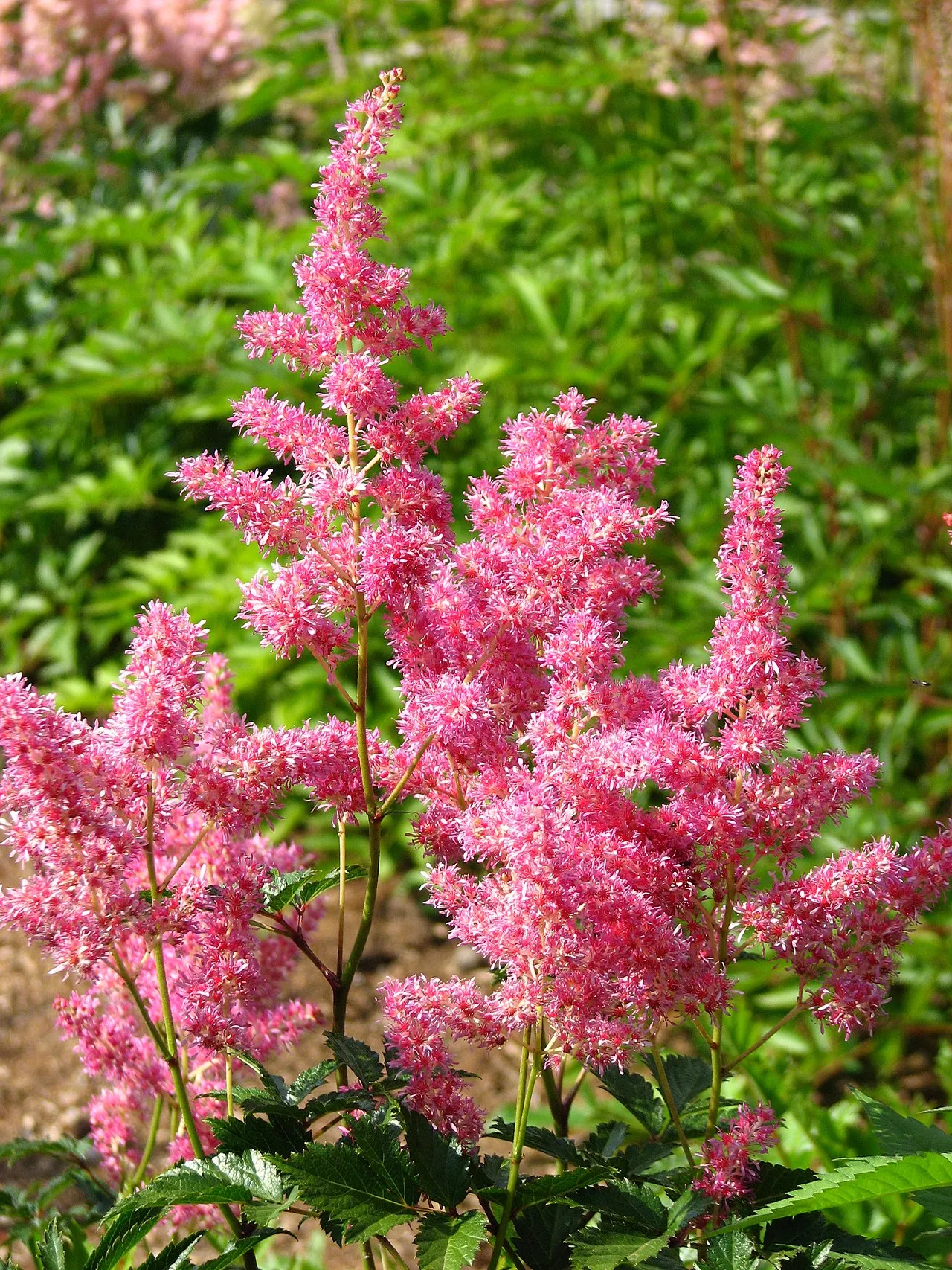
Astilbe is a moisture plant before it is a shade plant. Put it in dry shade under a tree and it browns by July — here is what it actually needs.
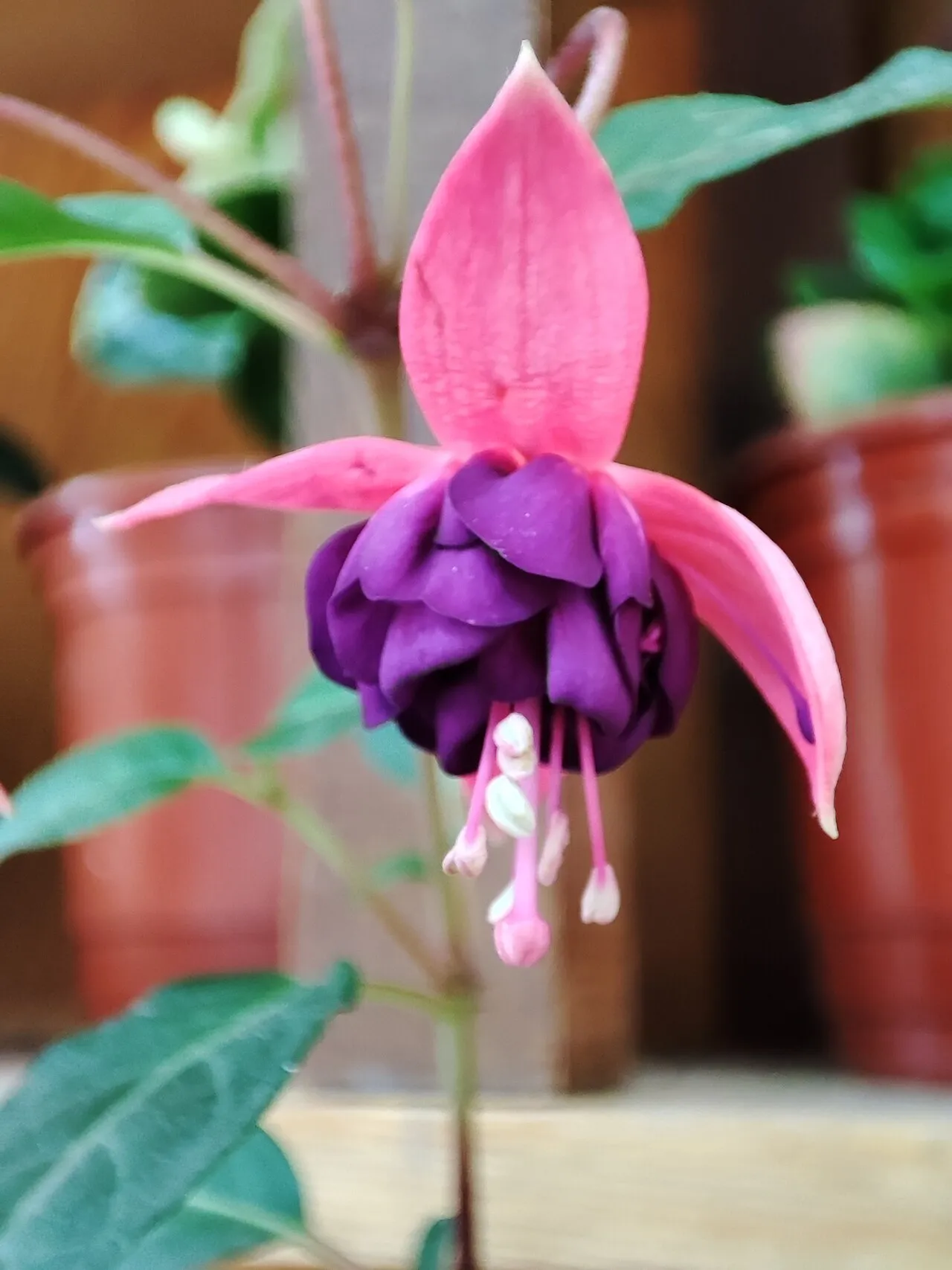
Fuchsias stop flowering above 76°F, which explains most disappointment with them. Here is how to site, pinch and overwinter them, and the heat-tolerant cultivars.
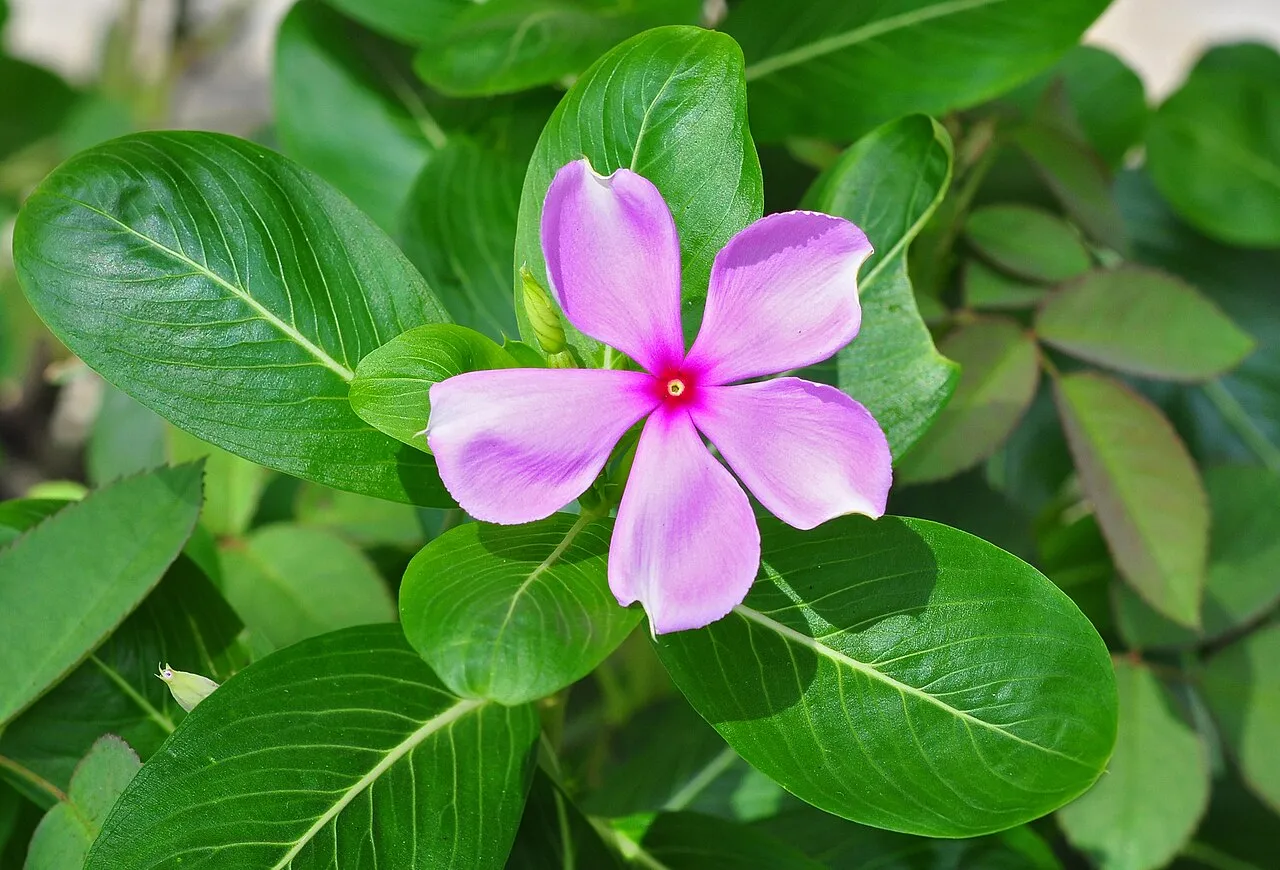
Annual vinca is not a vinca. It is a heat-loving Madagascar periwinkle that rots if planted early into cold soil — the single mistake that kills most of them.
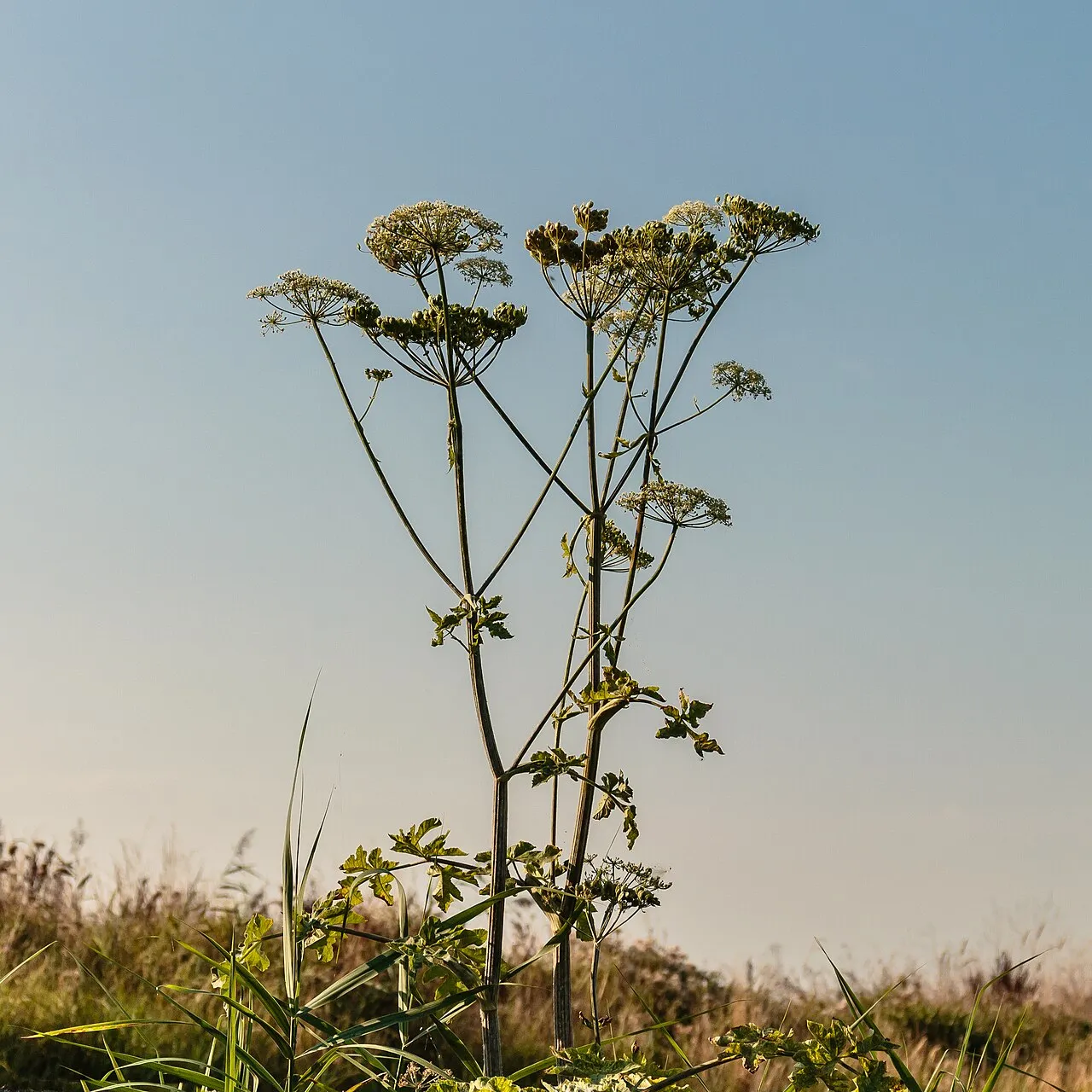
Angelica is a six-foot biennial that dies after it seeds, burns skin in sunlight, and has deadly lookalikes. Grown deliberately, it is worth all three.
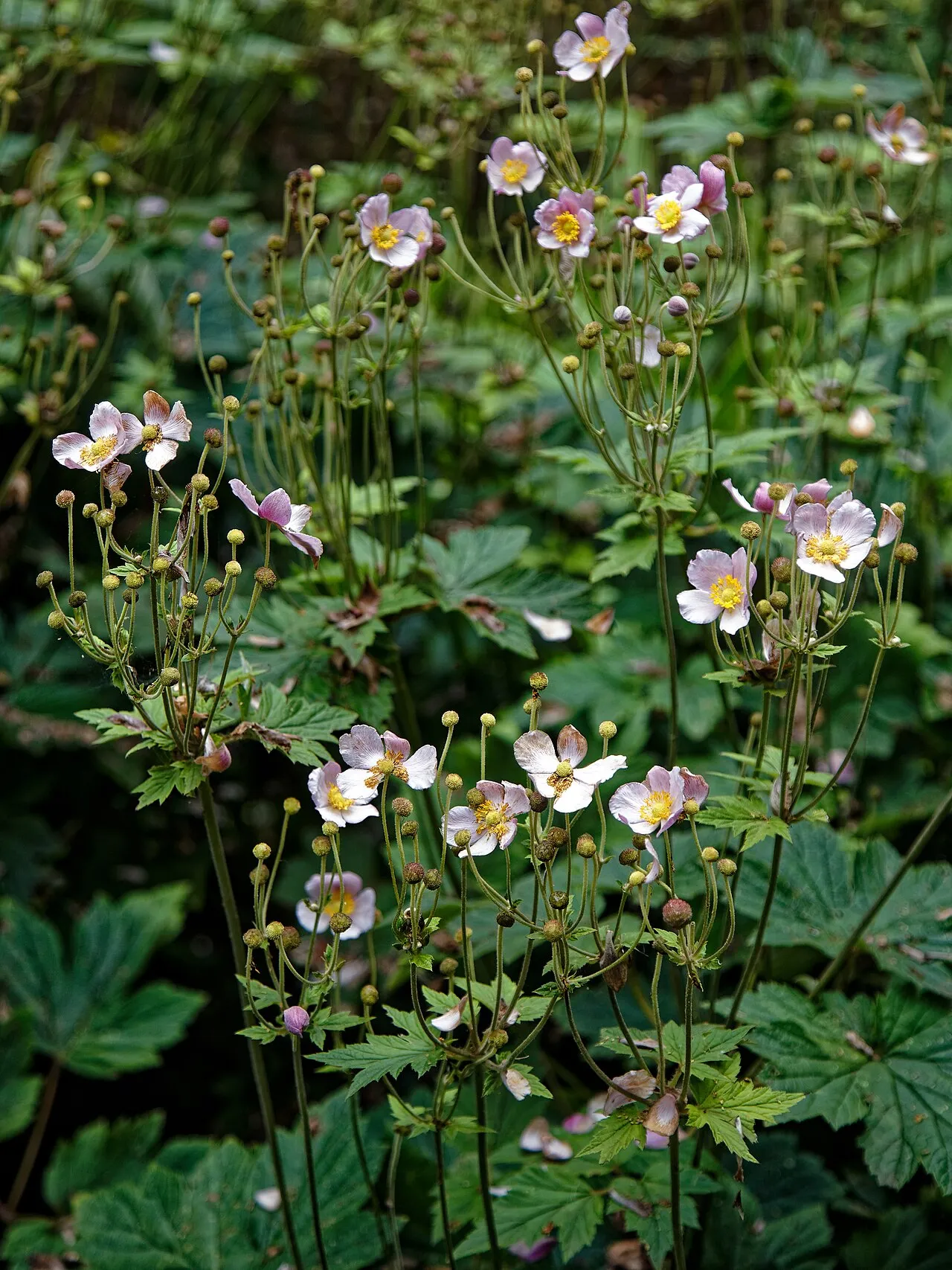
Anemone covers three unrelated garden plants with different seasons, planting methods and hardiness. Work out which one you have before you plant it.
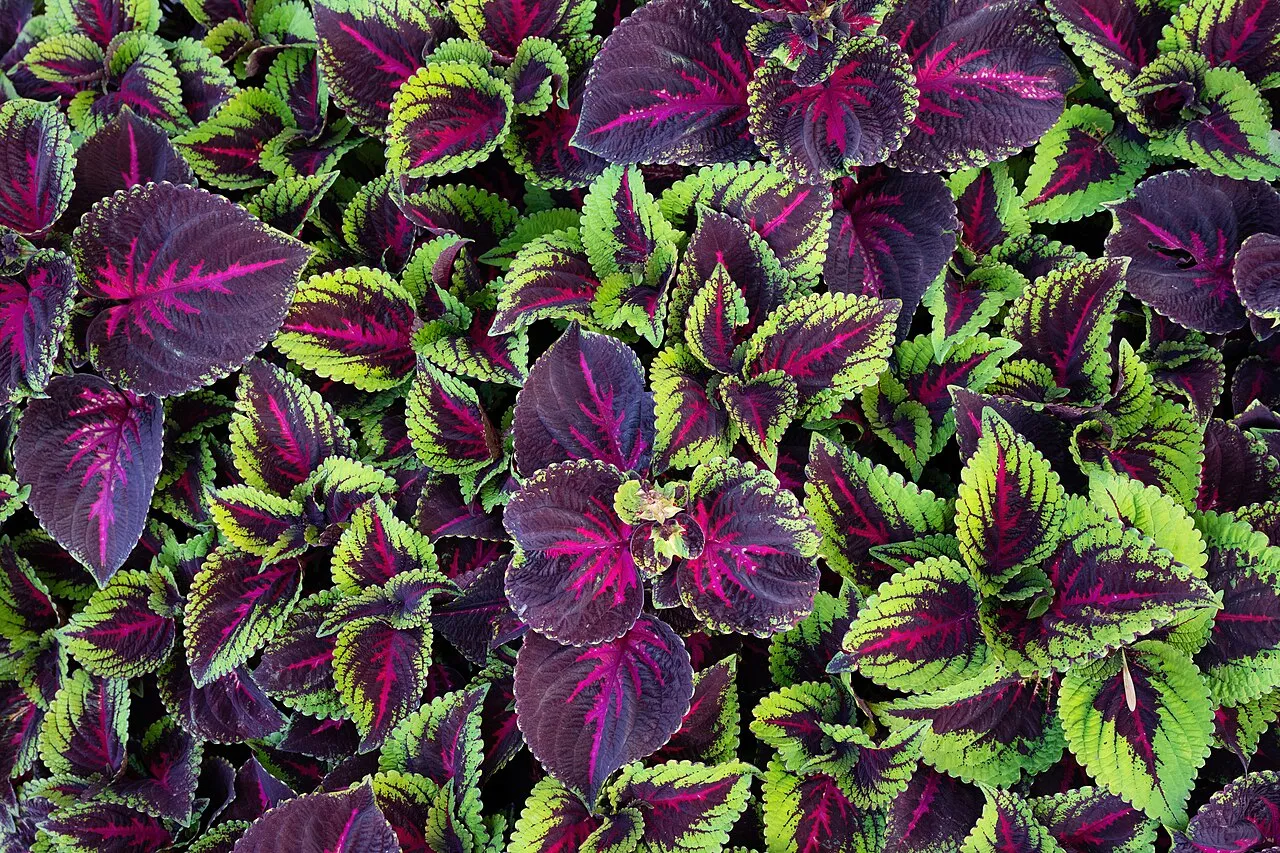
Coleus is grown for leaves, not flowers, and modern cultivars are far more sun-tolerant than the old advice allows. Here is how to place, pinch and overwinter it.
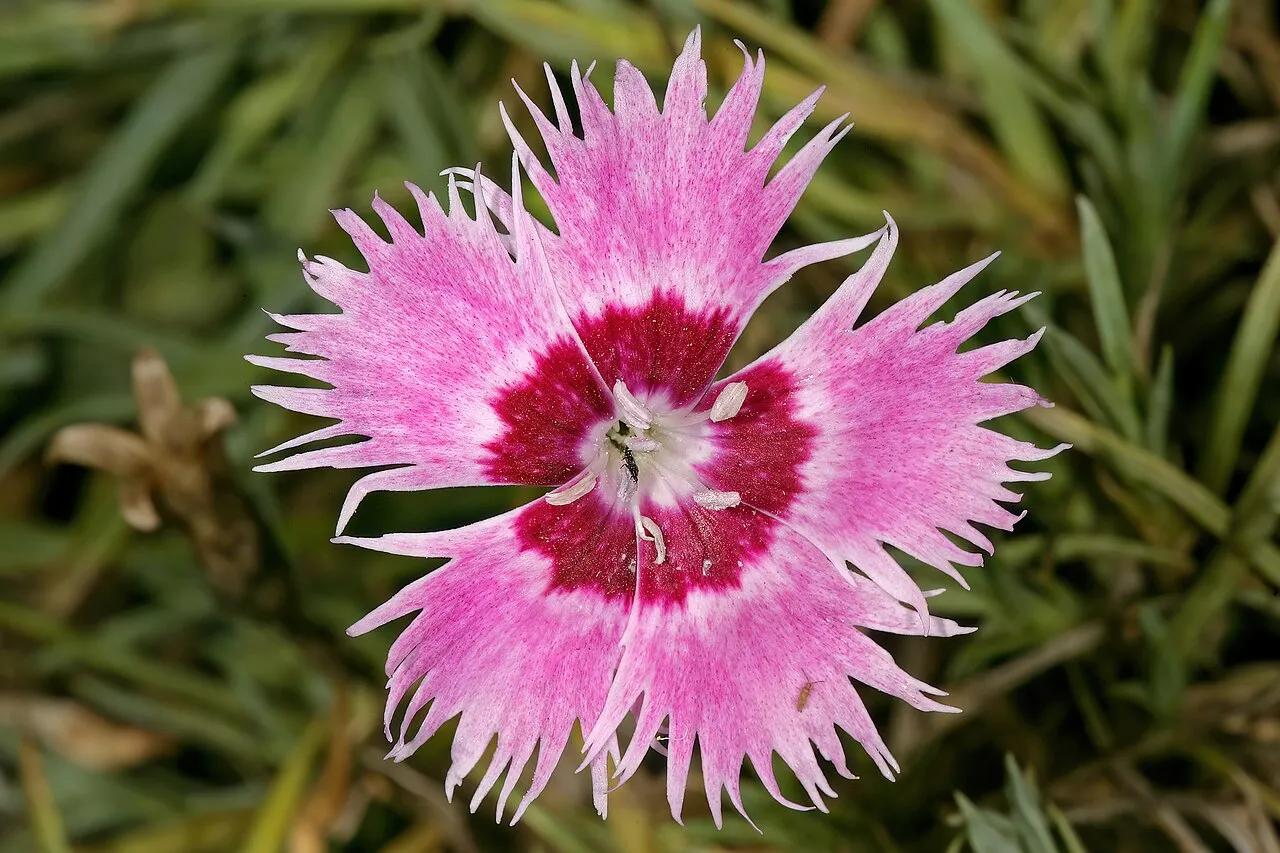
Garden carnations are not the florist's flower, and they are short-lived unless the drainage is right. Here is the soil they need and why they die in winter.
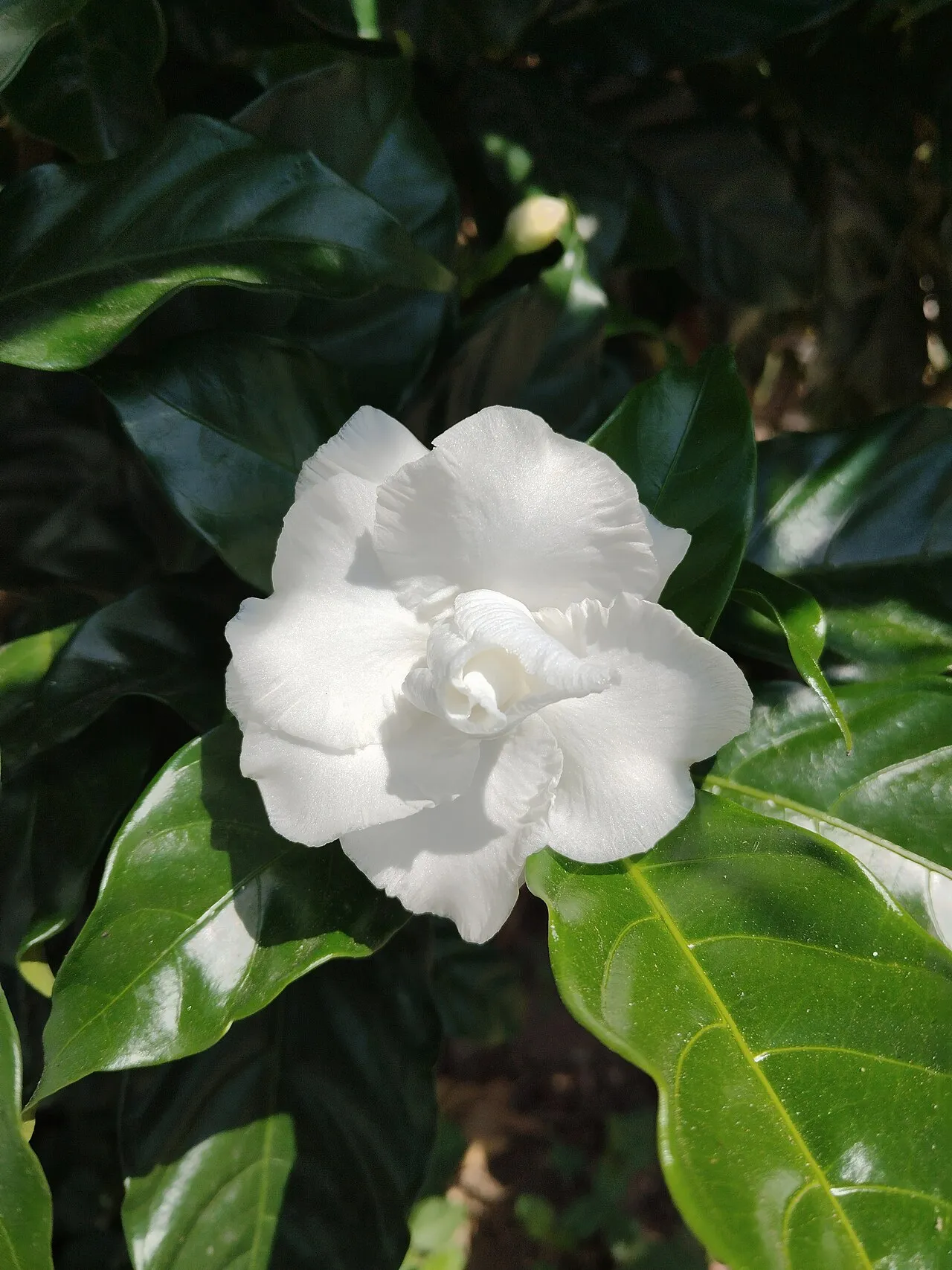
Gardenias drop buds and yellow their leaves for specific, diagnosable reasons. Here is what each symptom means, plus the pH and night temperatures they need.
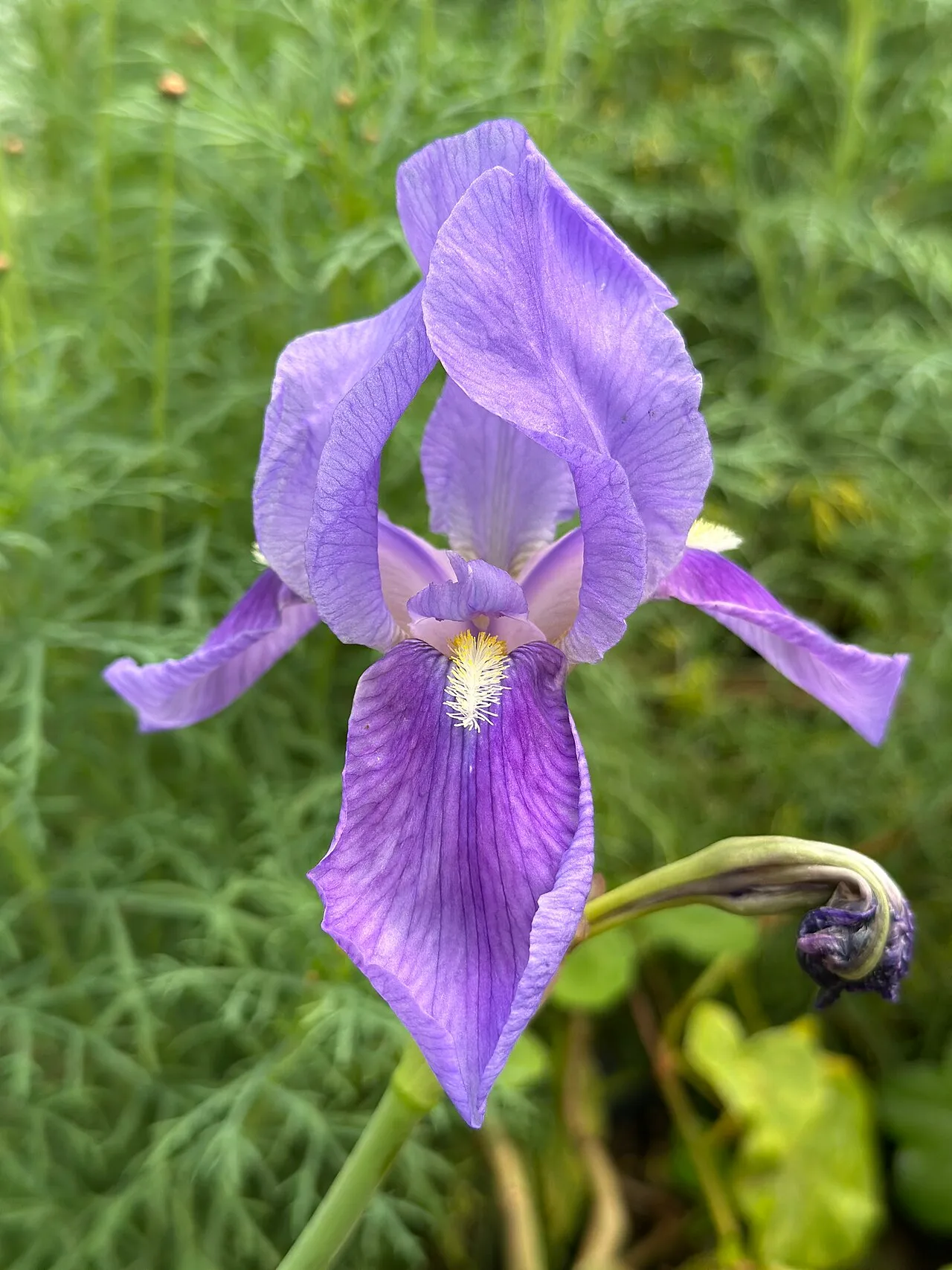
Bearded iris fail for one reason more than any other: the rhizome is planted too deep. Here is the right depth, when to divide, and how to handle borer and soft rot.
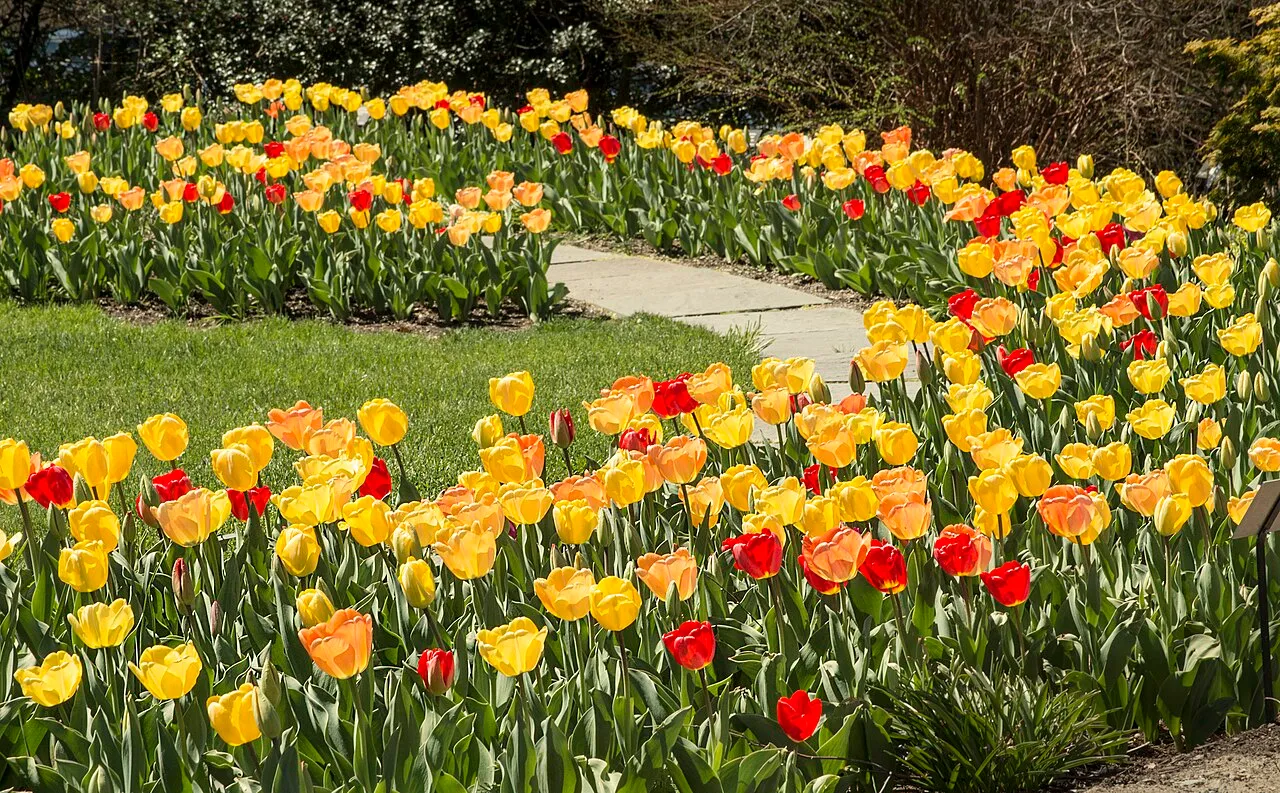
Most tulips are short-lived, and that is a property of the bulb rather than something you did wrong. Here is how to plant them, and which types actually come back.
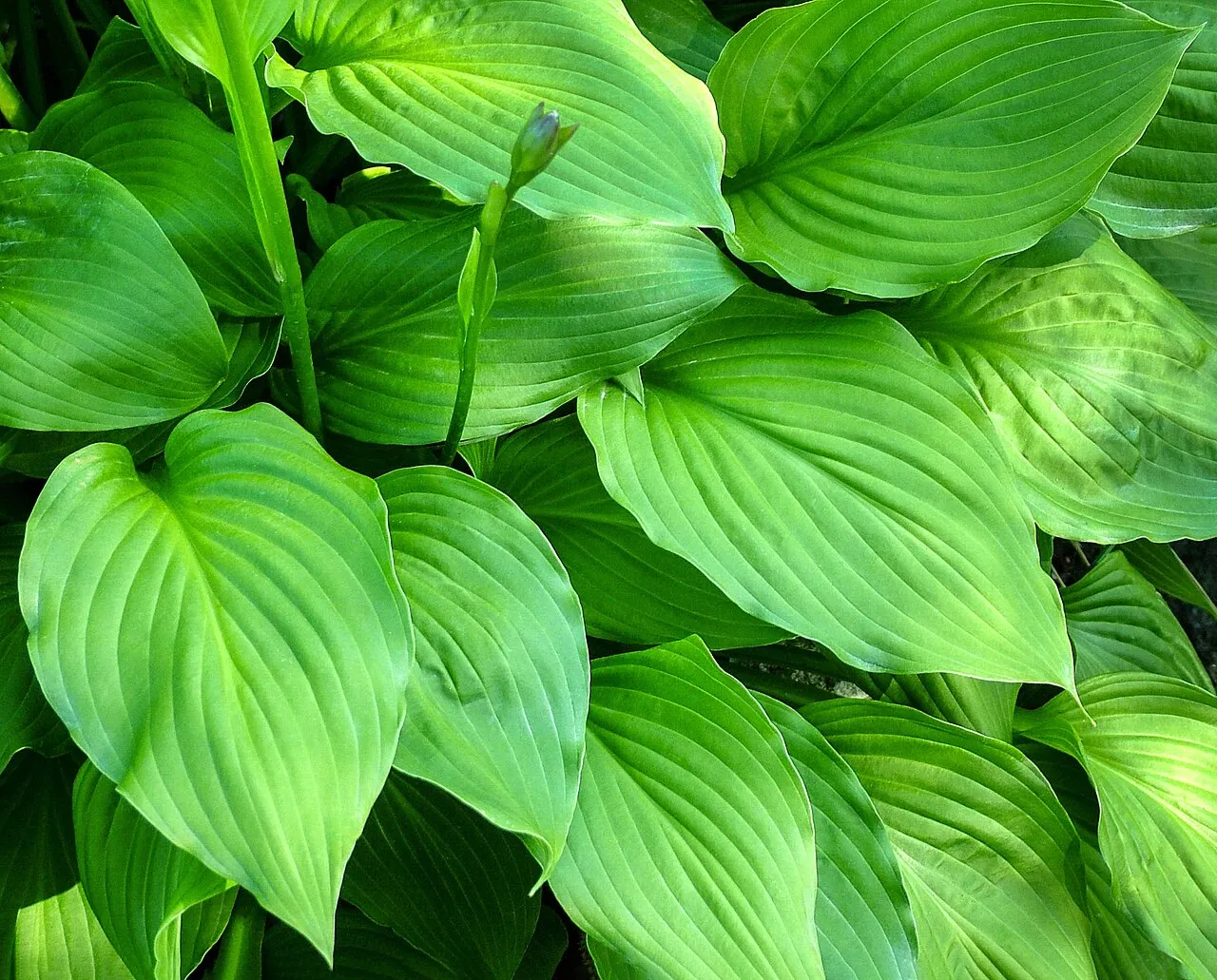
Hostas are shade plants, but how much shade depends on leaf colour. Here is how to site blue, gold and variegated types, and what to do about slugs and deer.
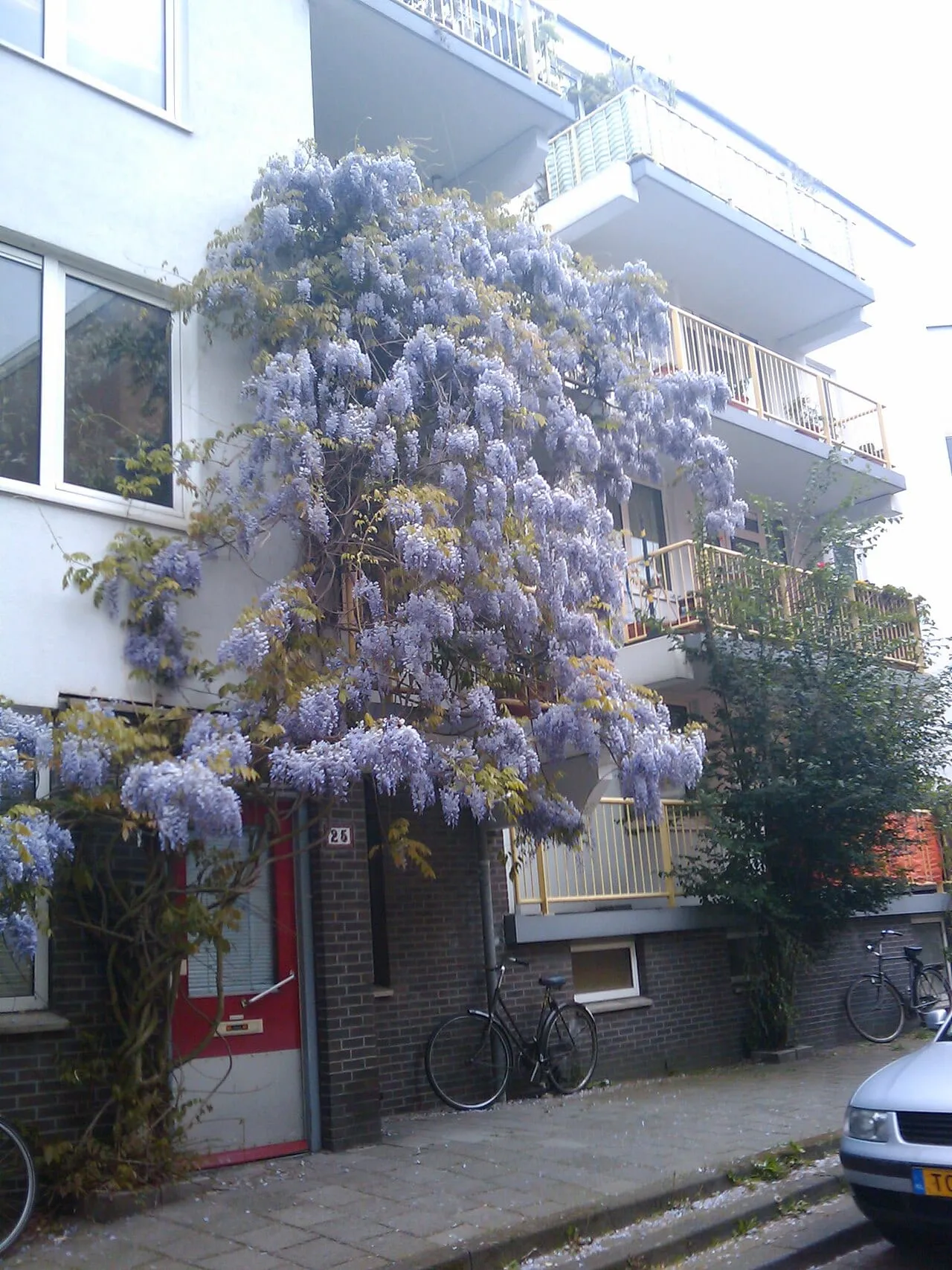
Wisteria can grow for years without flowering. Seedling age, nitrogen and the wrong pruning are the usual reasons — here is how to tell them apart.
Hybrid tea, floribunda, shrub, species and the rest — what each class actually is, and which ones are hardy and disease resistant.
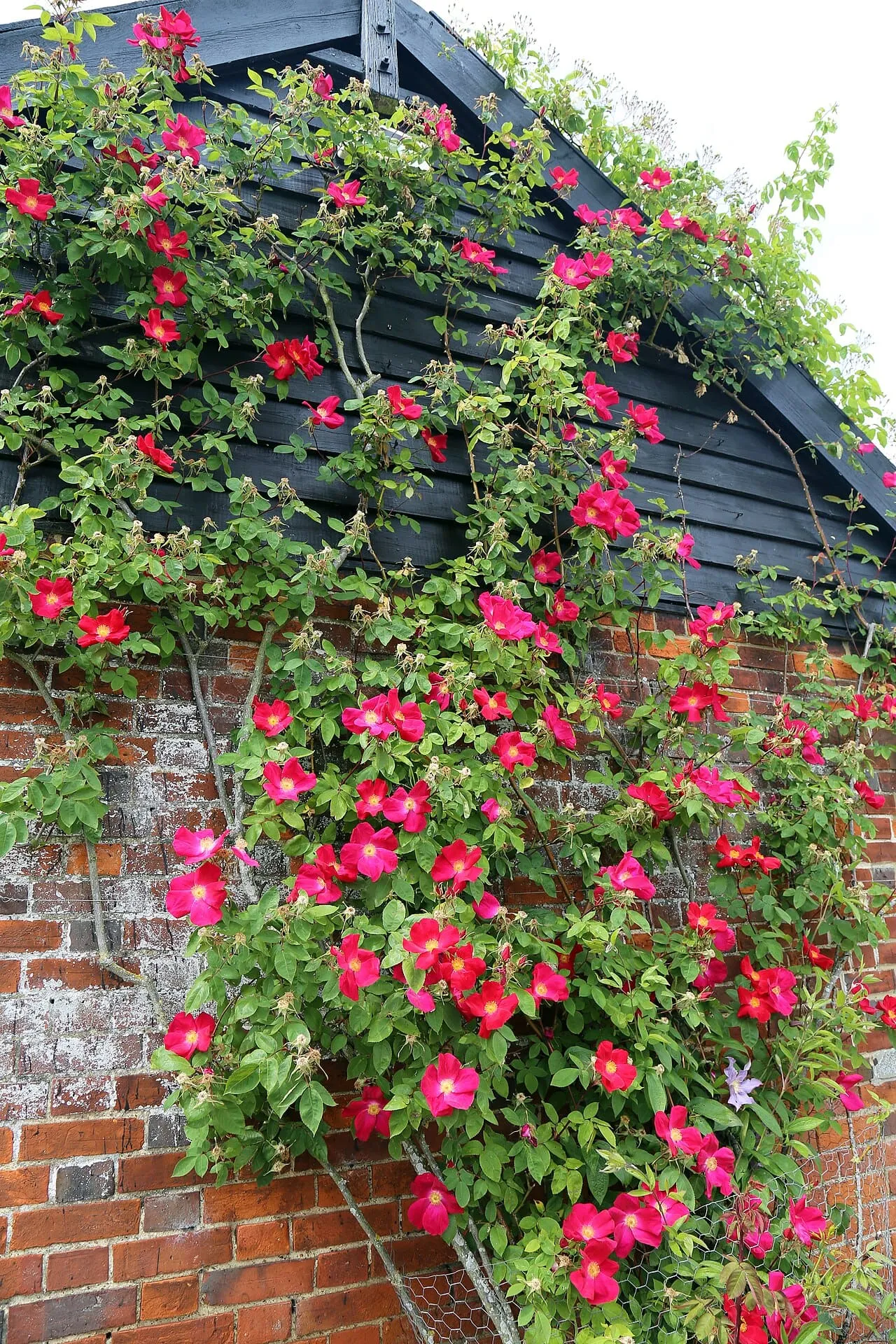
Climbers do not climb, and the difference from a rambler decides when you prune. How to train canes for maximum bloom.