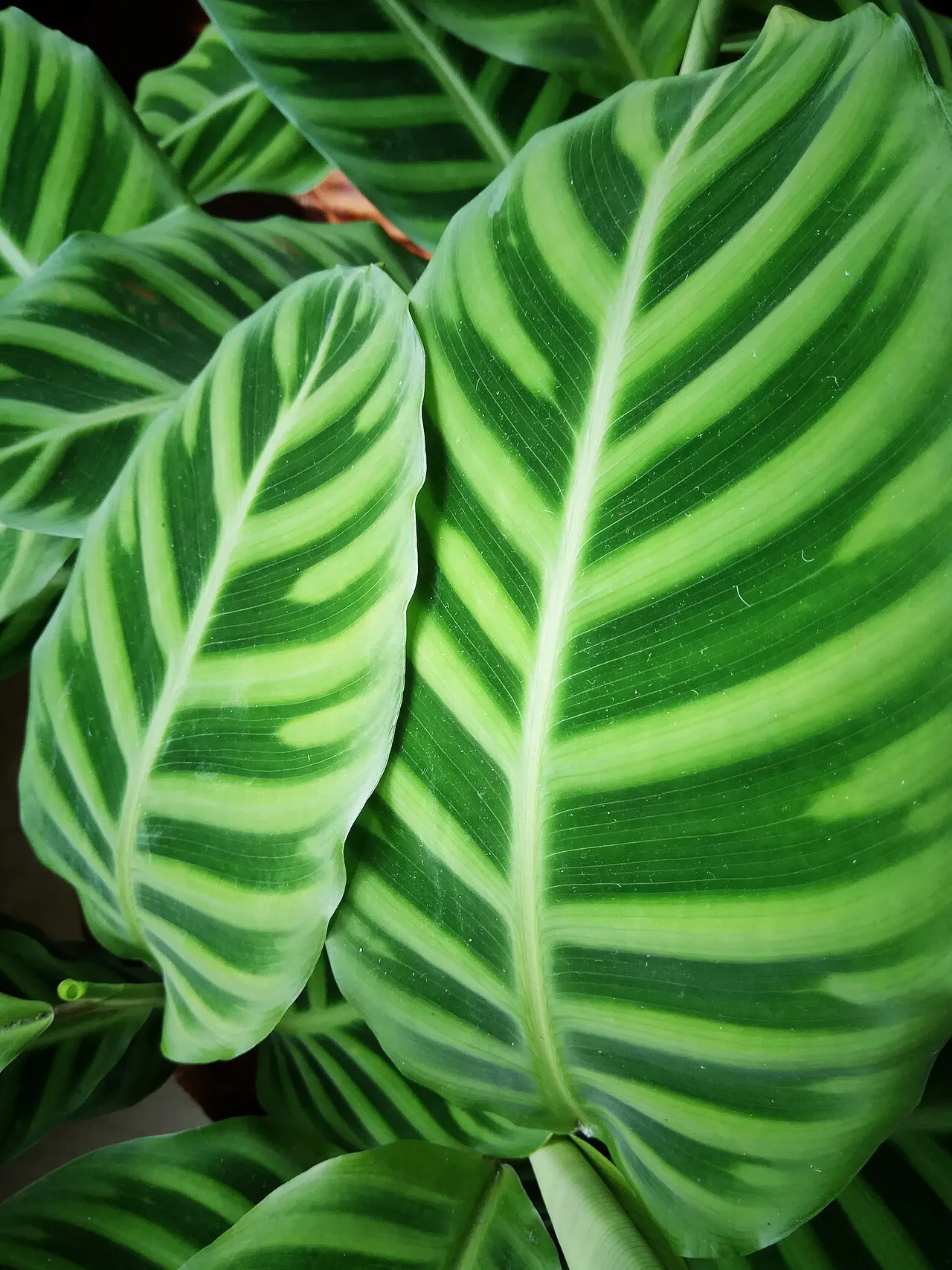
How to Grow and Care for Calathea Zebrina
Two completely different houseplants are sold as zebra plant. Here is how to tell which you have — and why tap water is browning the leaves of this one.
Category
Care, light and watering for the plants that live indoors — and what to do when the leaves start telling you something.
31 articles · Page 1 of 2
Two completely different houseplants are sold as zebra plant. Here is how to tell which you have — and why tap water is browning the leaves of this one.
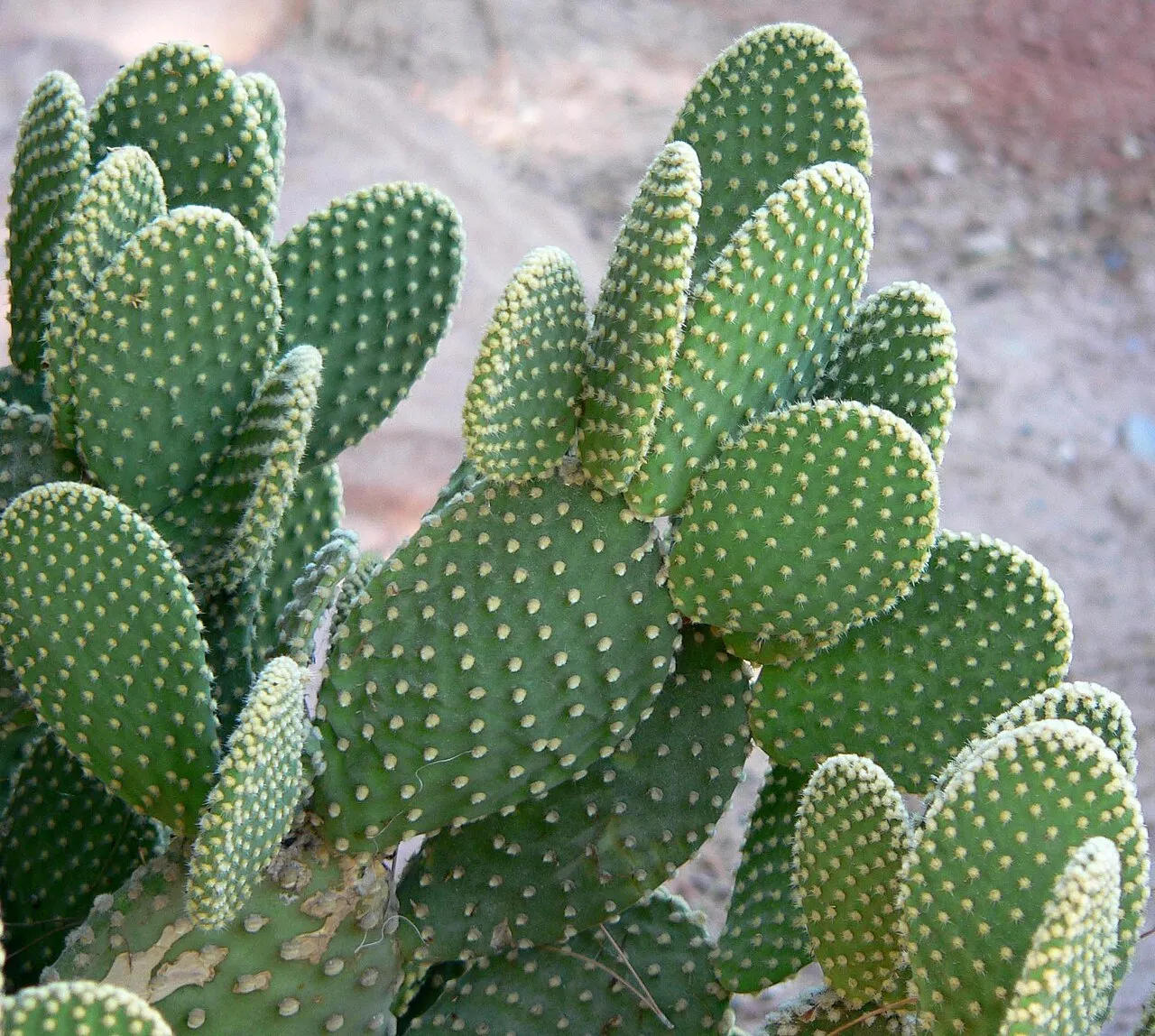
It looks soft and spineless, and that is the trap. Those fuzzy dots are glochids — barbed bristles that detach at the slightest touch and are miserable to remove.
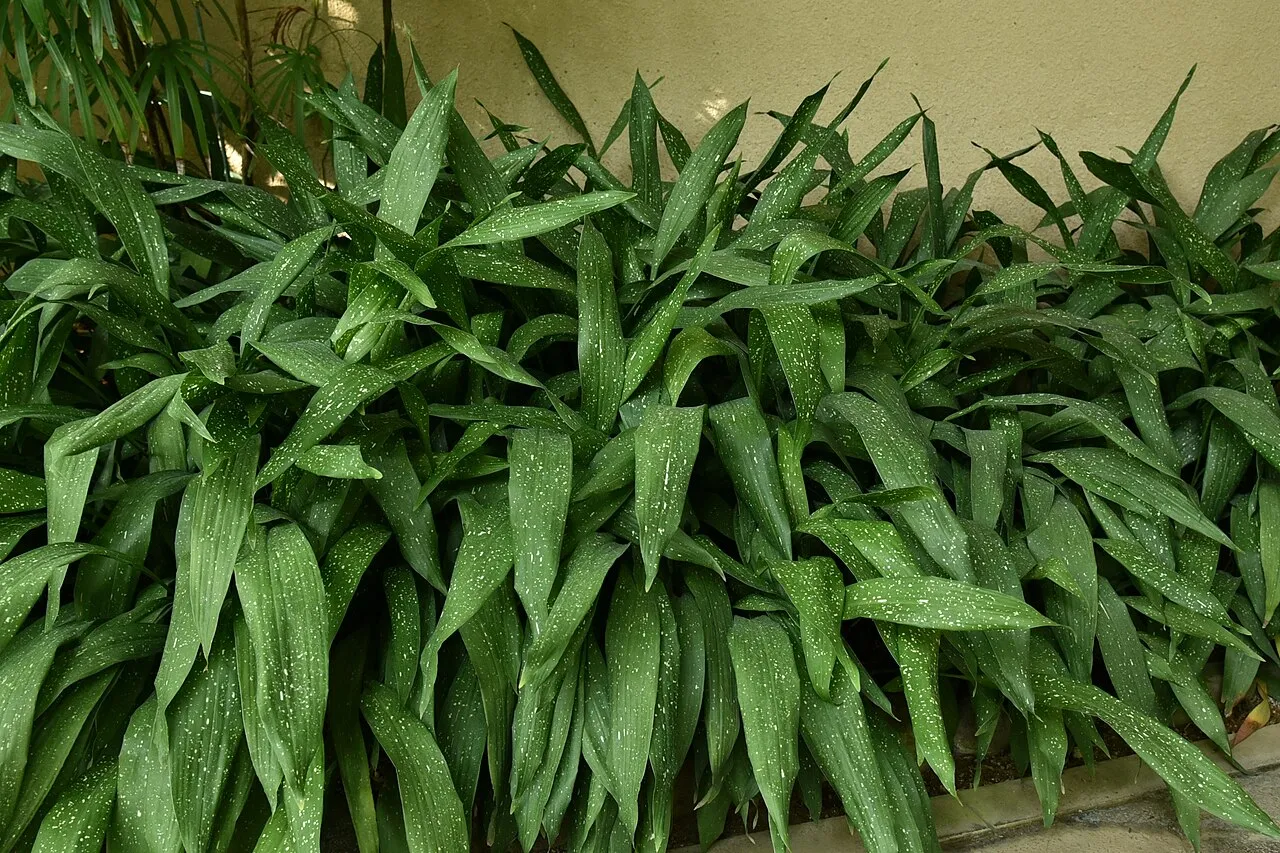
Named for surviving Victorian barrooms, and still the best plant for a dark corner. The trade-off is that it grows extremely slowly — so buy a big one.
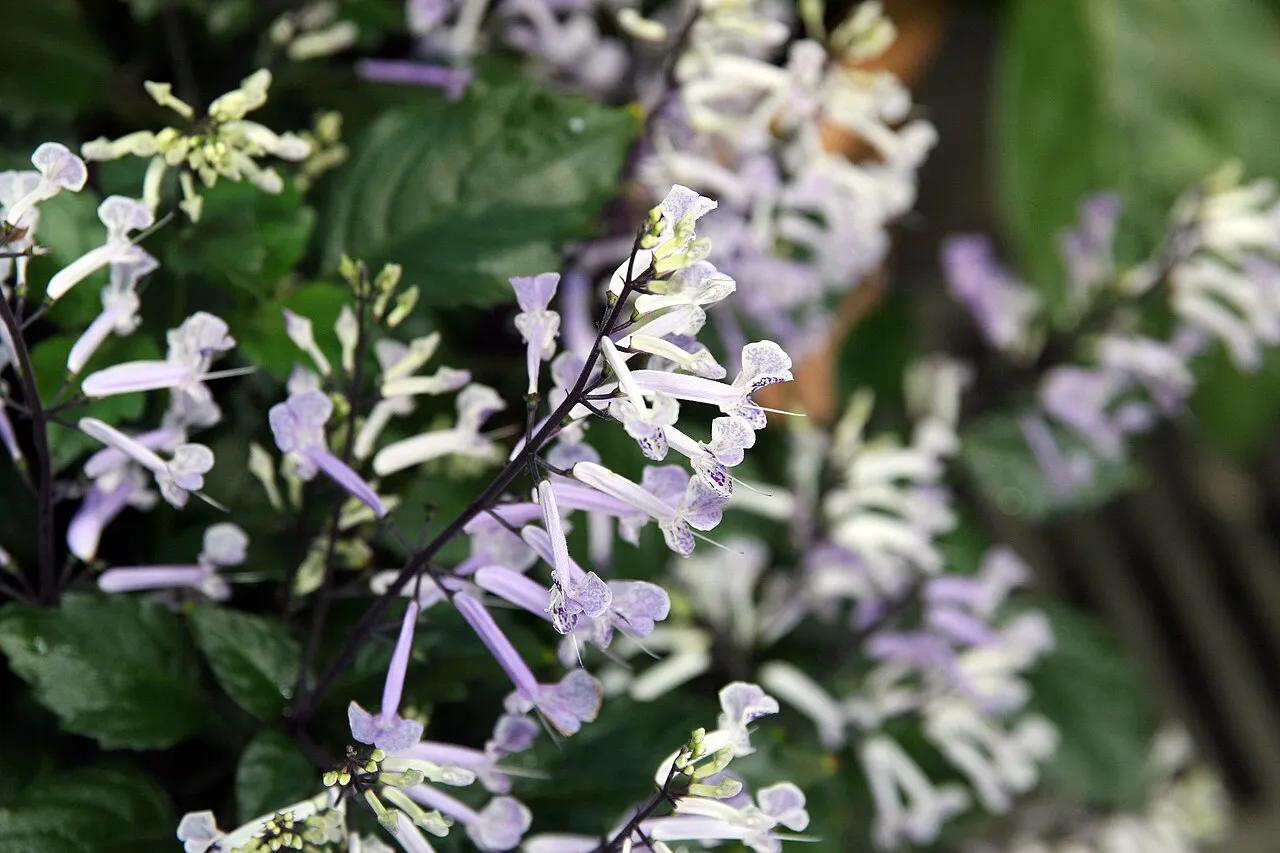
Spur flower blooms as the days shorten, not in summer — which is why people who buy it in spring think it has failed. Here is how to work with that.
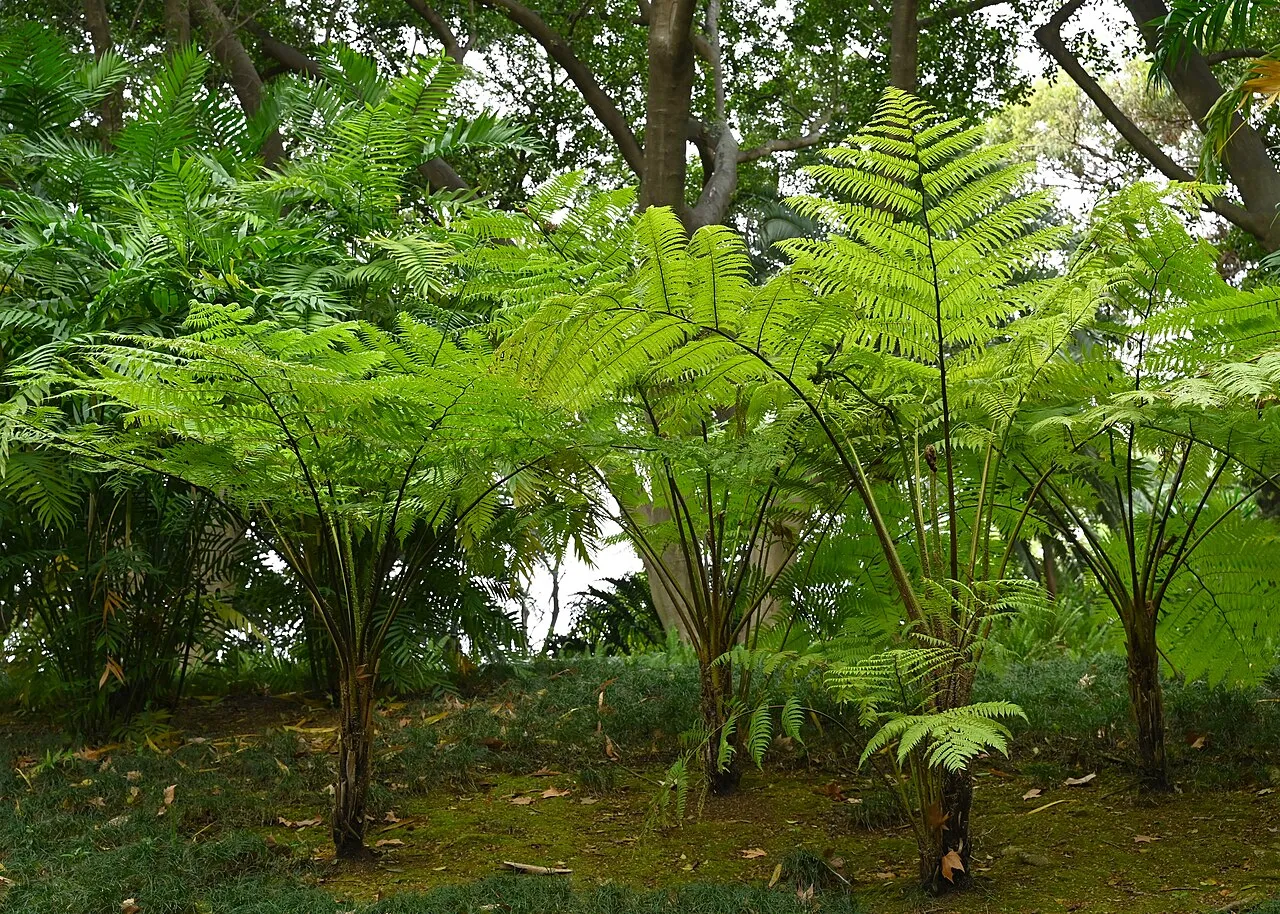
Fast, dramatic and up to 50 feet, with fronds reaching twenty feet across. Also naturalised and invasive in Hawaiian forests, which is worth knowing first.
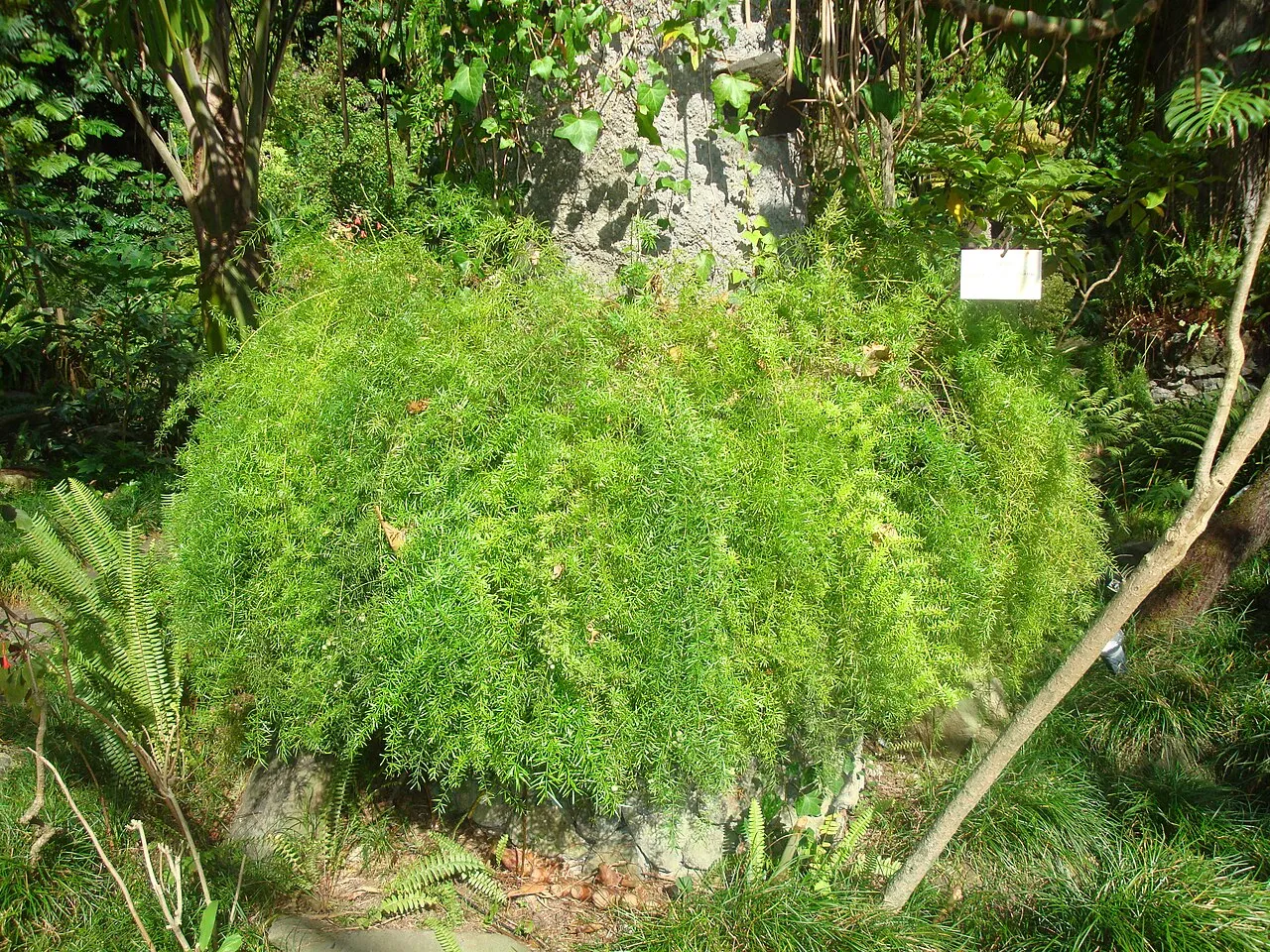
Asparagus fern is not a fern, it has thorns, its berries are poisonous, and in Florida it is a Category I invasive. Grow it in a pot — not in the ground.
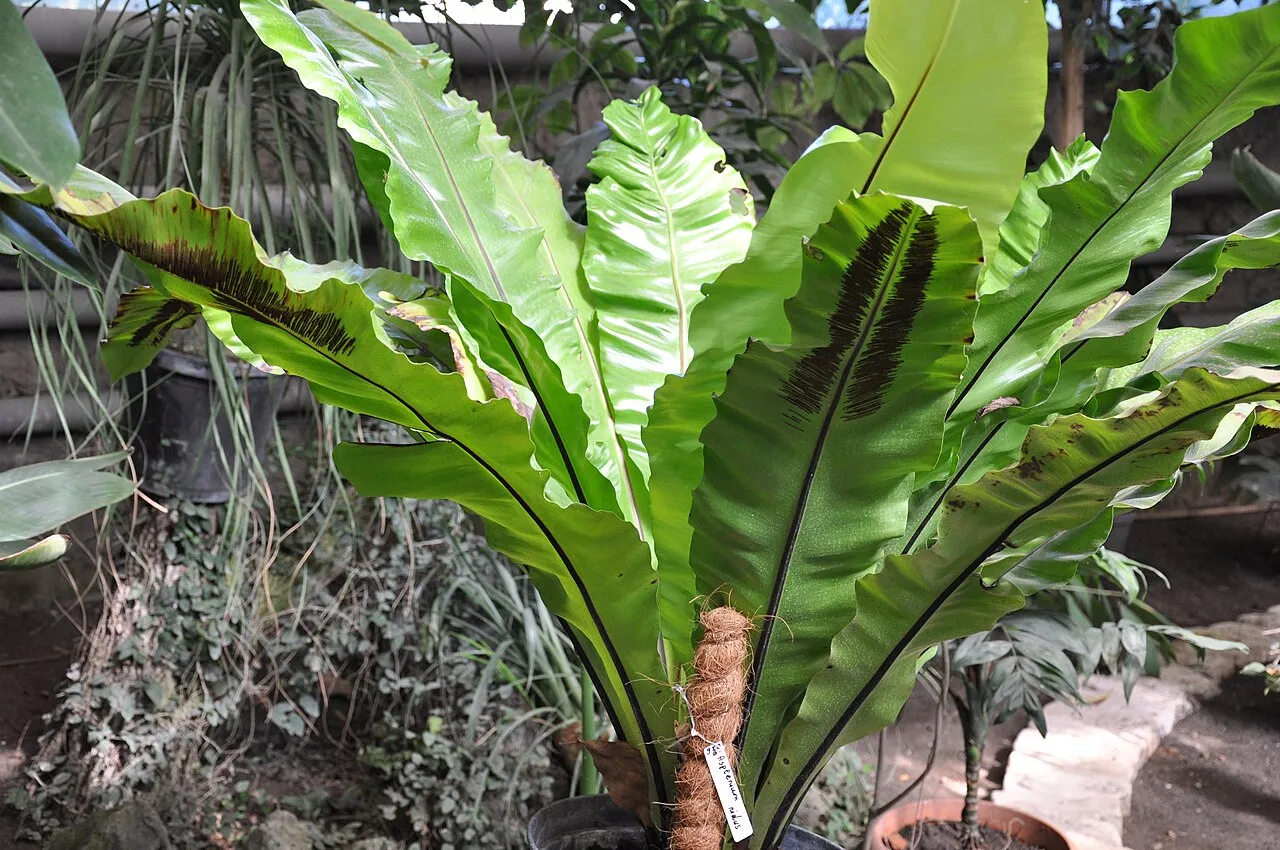
A rainforest epiphyte that feeds itself by trapping falling debris in its rosette. That one fact explains almost everything about growing one indoors.
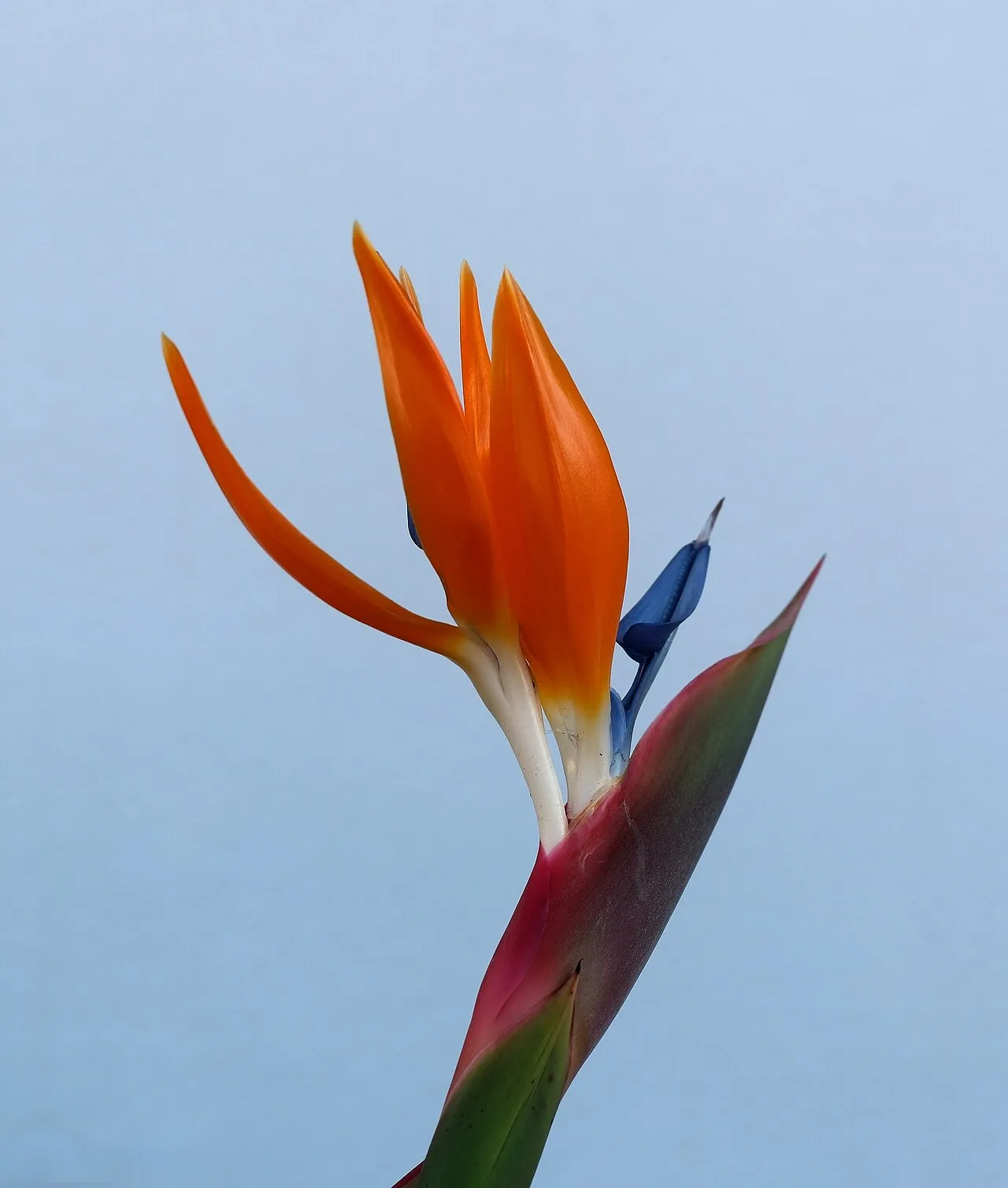
Bird of paradise flowers better when it is crowded, so repotting into a bigger pot is a common reason yours has never bloomed. Here is what it takes.
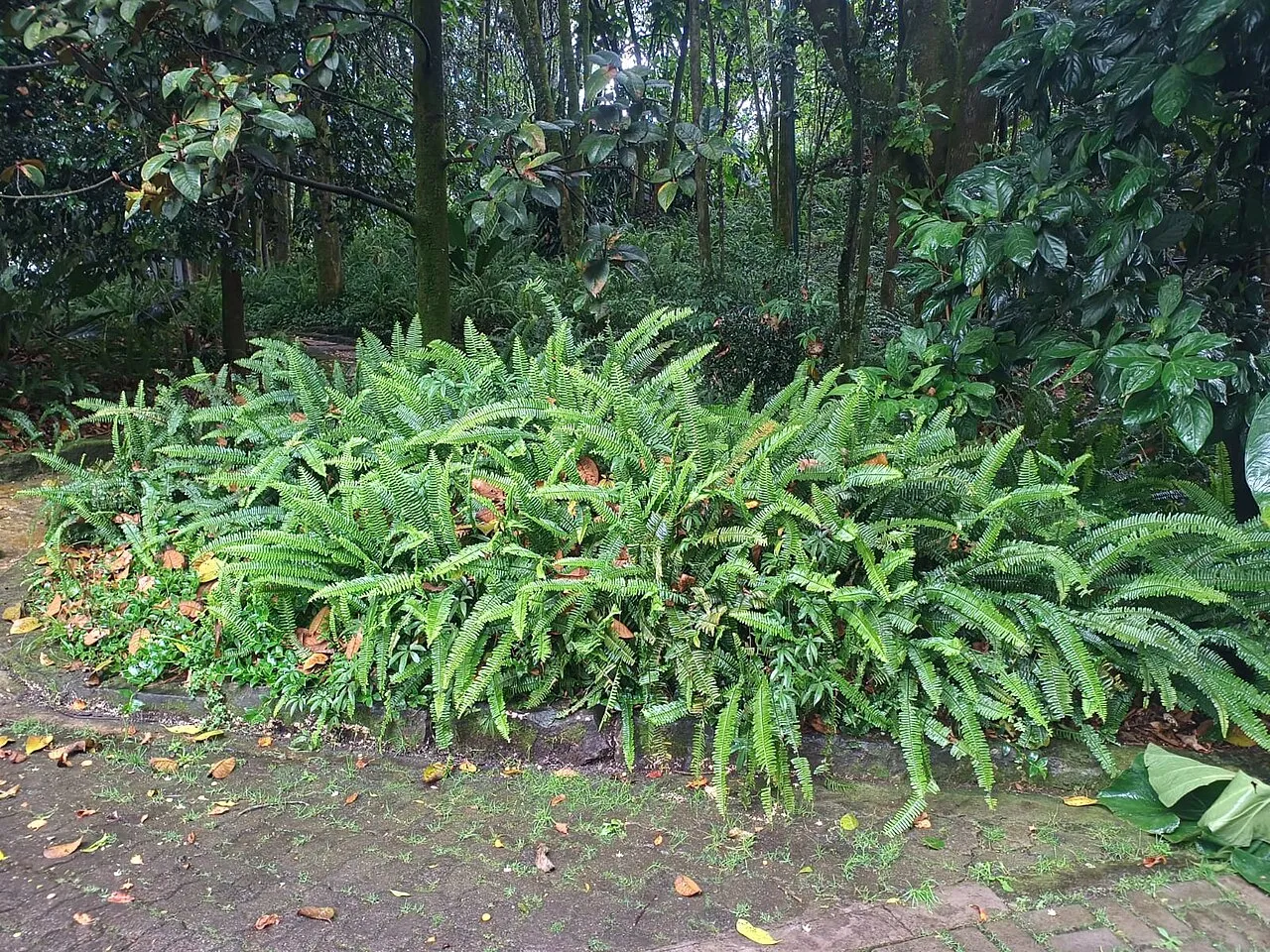
Brown, dropping fronds are almost always dry air, not underwatering. Here is how to give a Boston fern the humidity it needs — and why those dots are not scale.
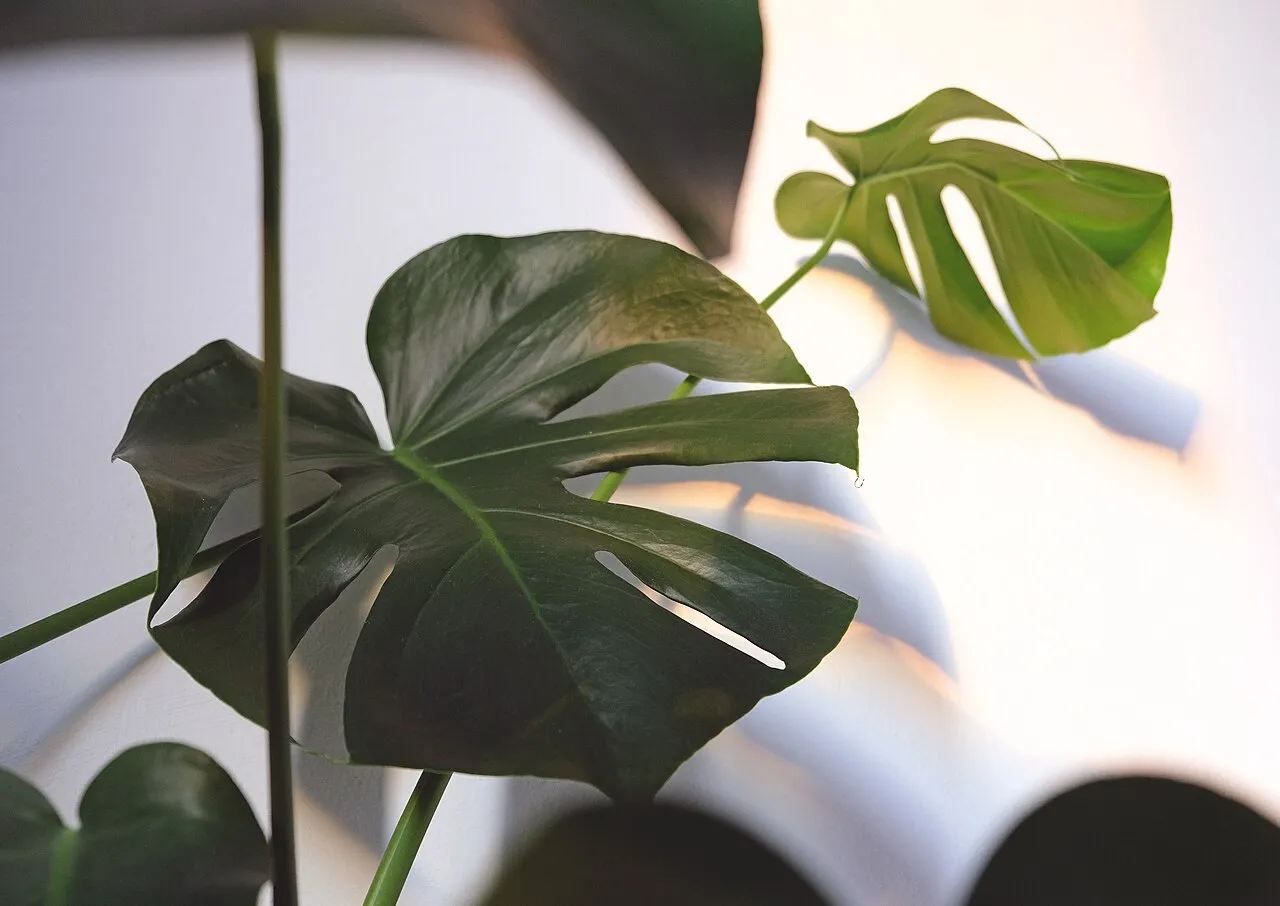
Two different plants are sold as Swiss cheese plant. Here is which is which, why the holes only appear on mature leaves, and why yours needs a stake.
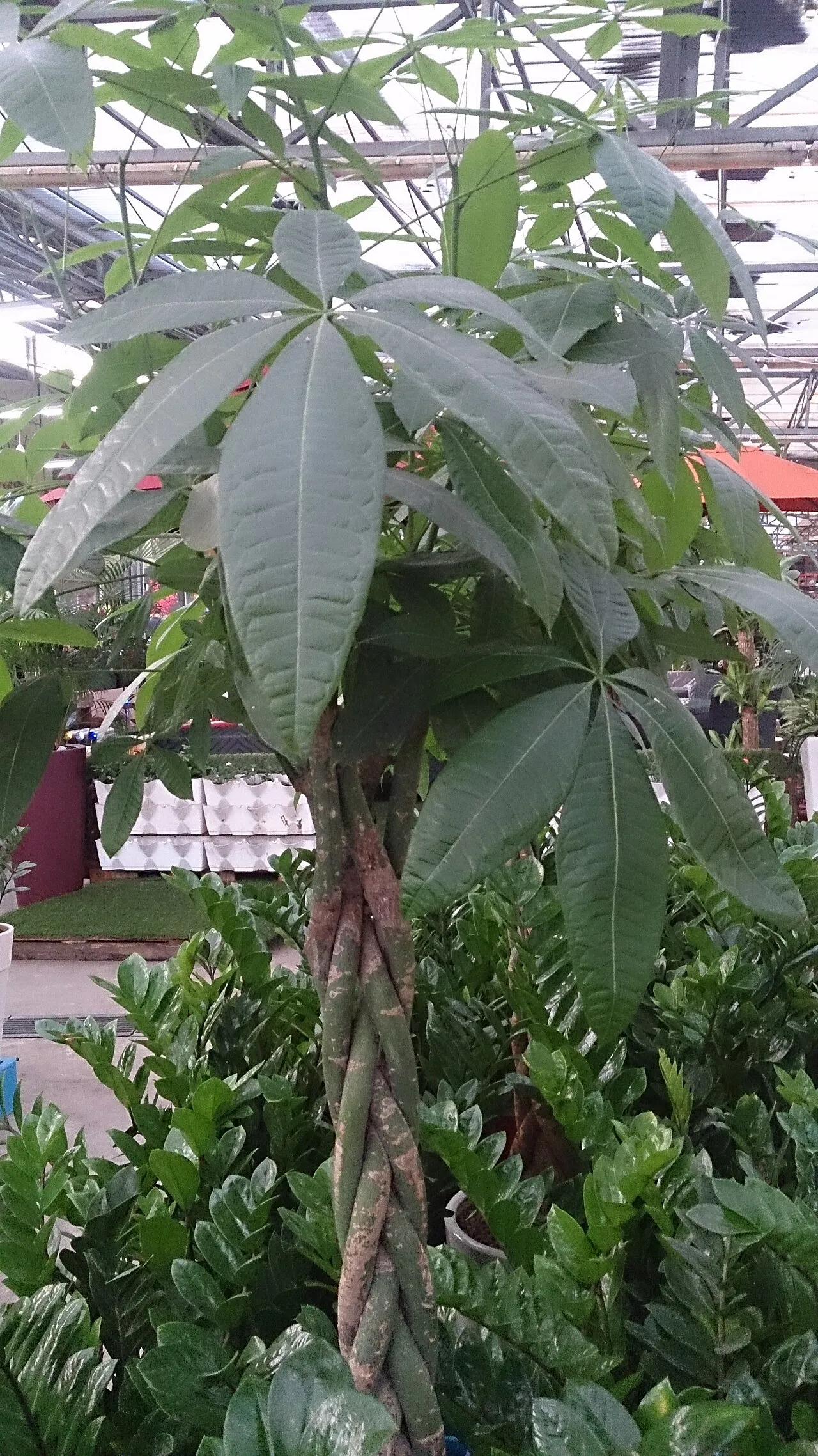
The braided trunk is a 1980s Taiwanese nursery technique, not how the plant grows. Here is what a swamp tree from Central America actually needs indoors.
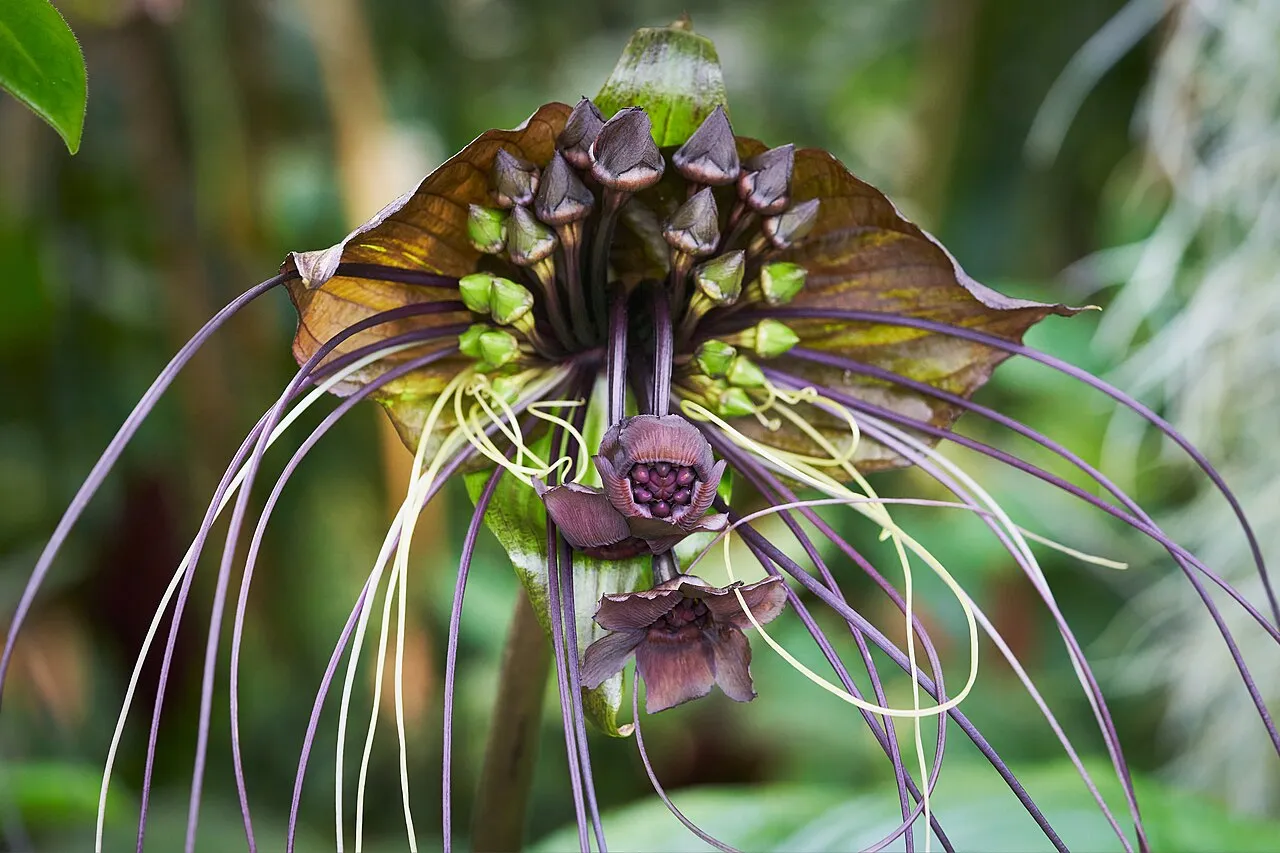
Tacca chantrieri is a yam relative that wants orchid conditions: humidity, airflow and shade. Get those three right and the rest is straightforward.
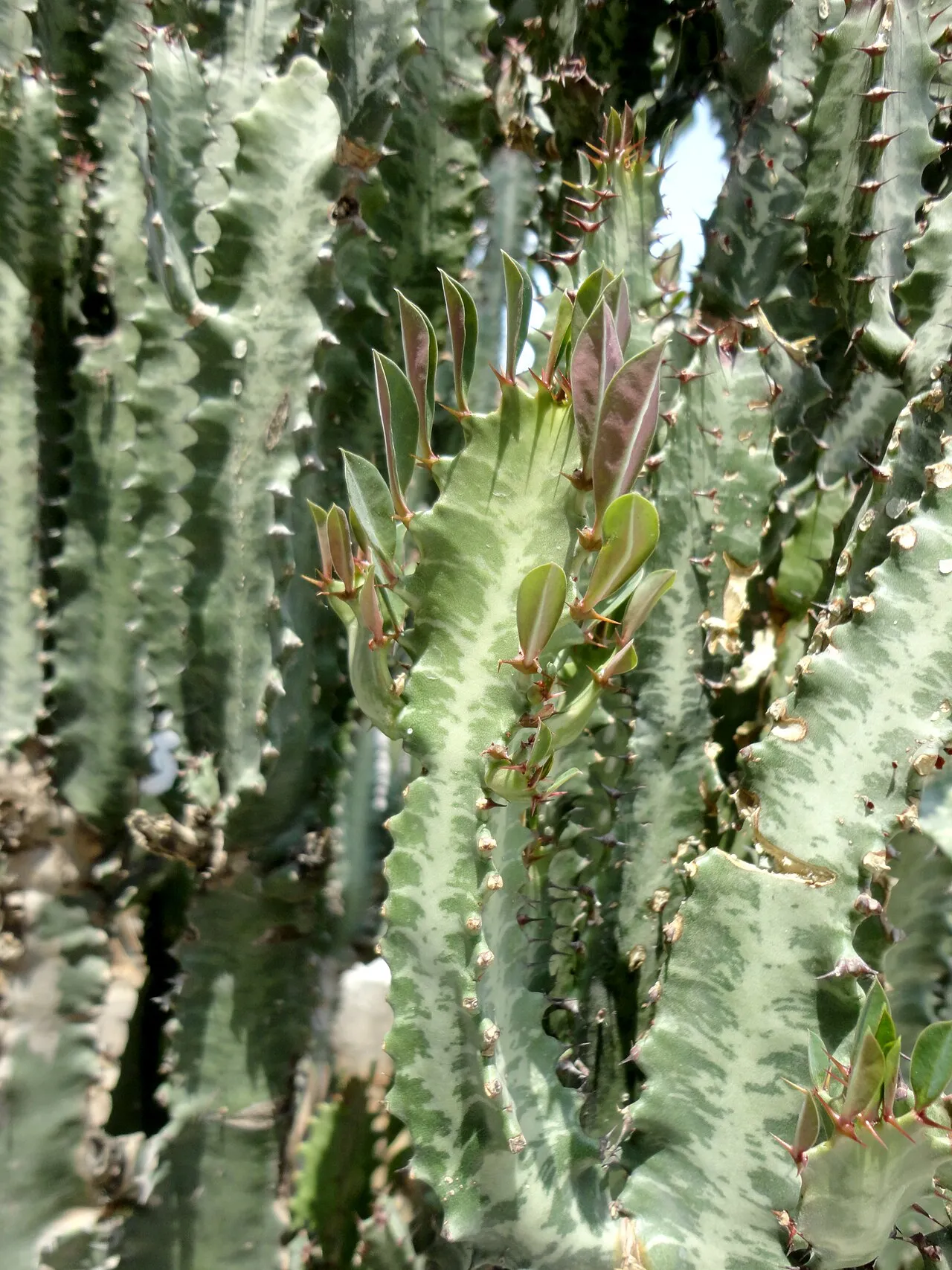
African milk tree is not a cactus, and its milky sap can blister skin and seriously damage eyes. Here is how to handle, site and grow it safely.
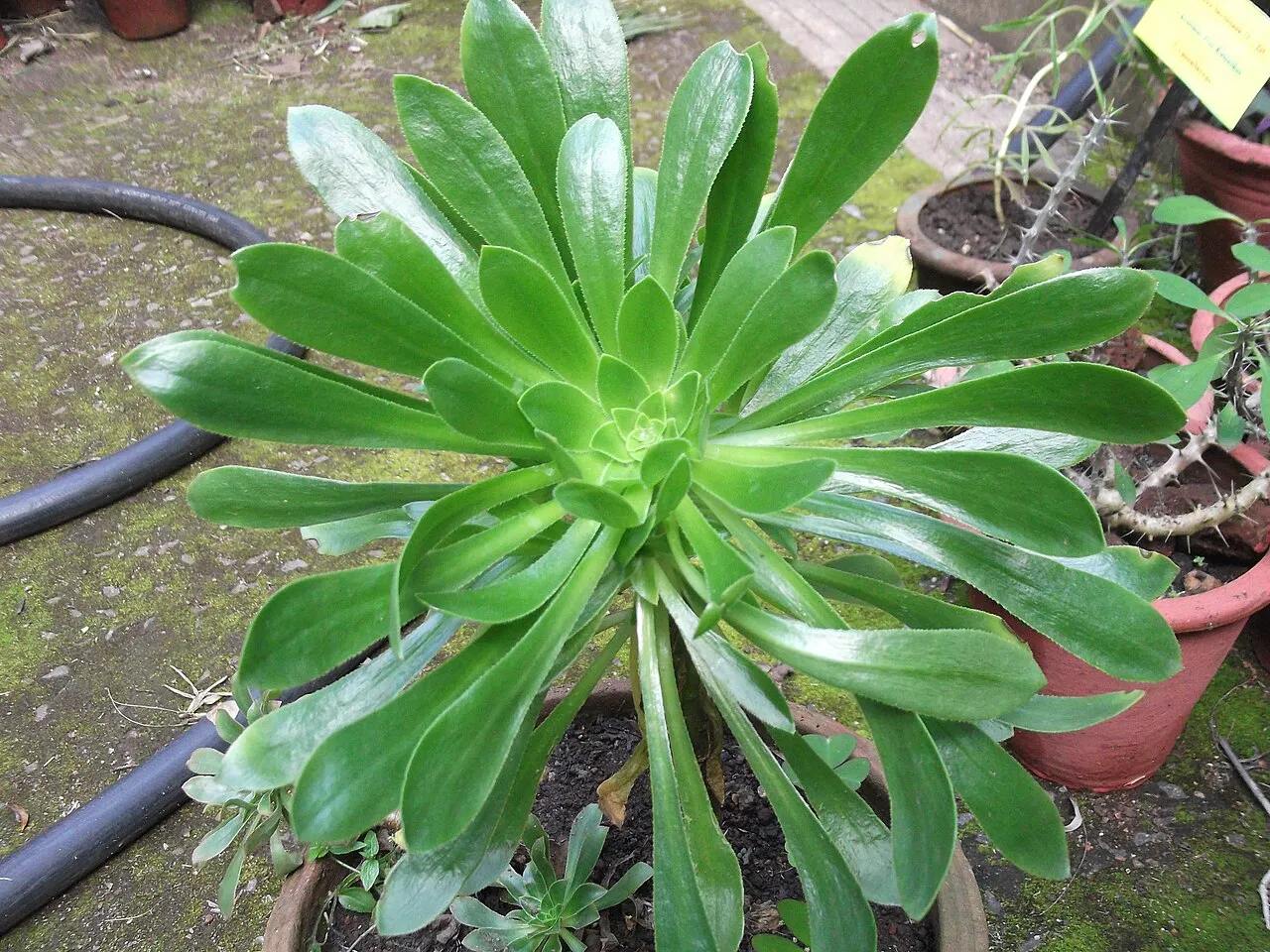
Aeoniums grow in winter and rest in summer, which reverses the usual succulent watering advice. Here is the schedule, and why rosettes die after flowering.
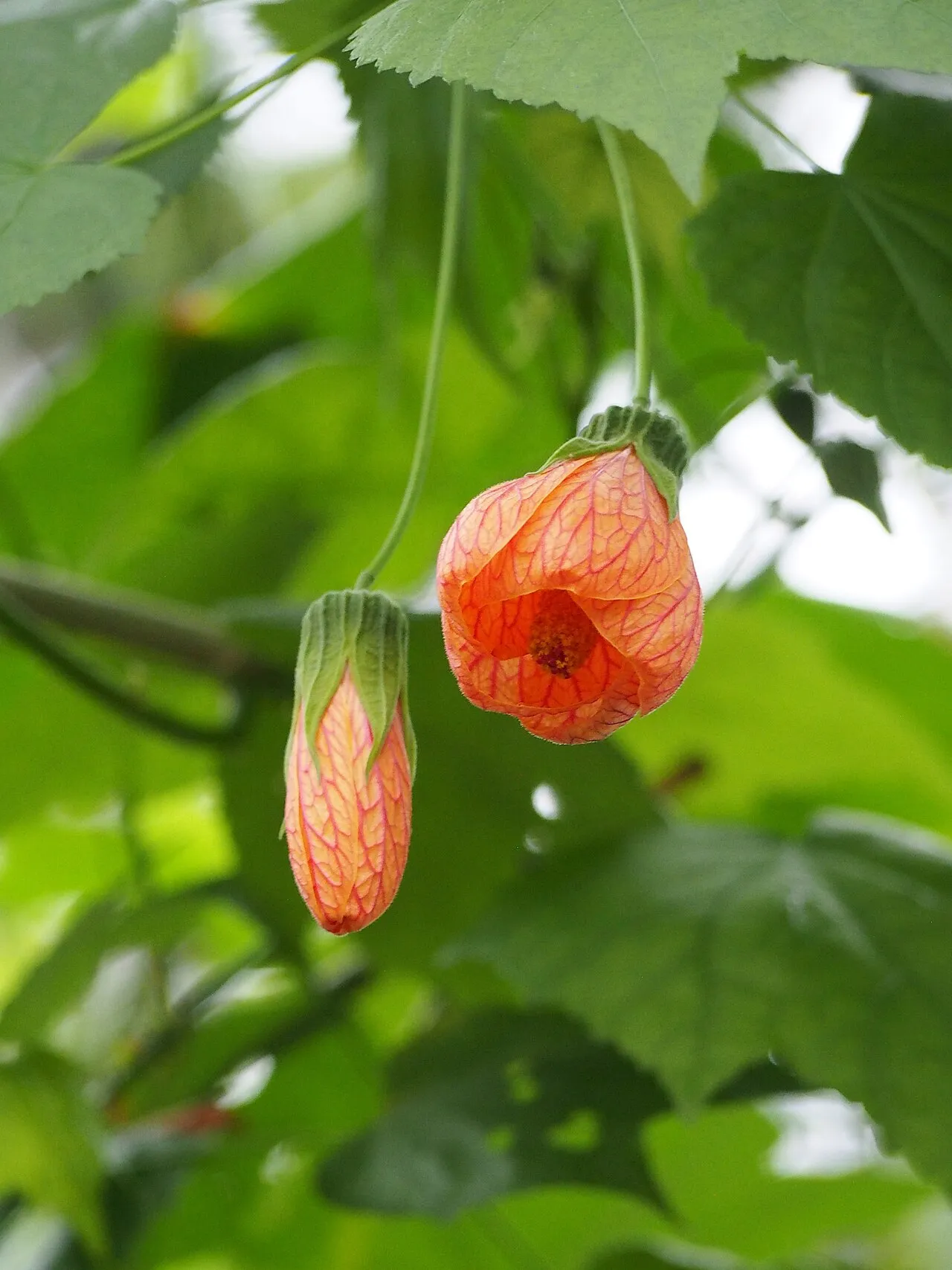
Flowering maple is not a maple. It is a fast, free-flowering mallow that blooms most of the year indoors — if you pinch it and keep it moist.
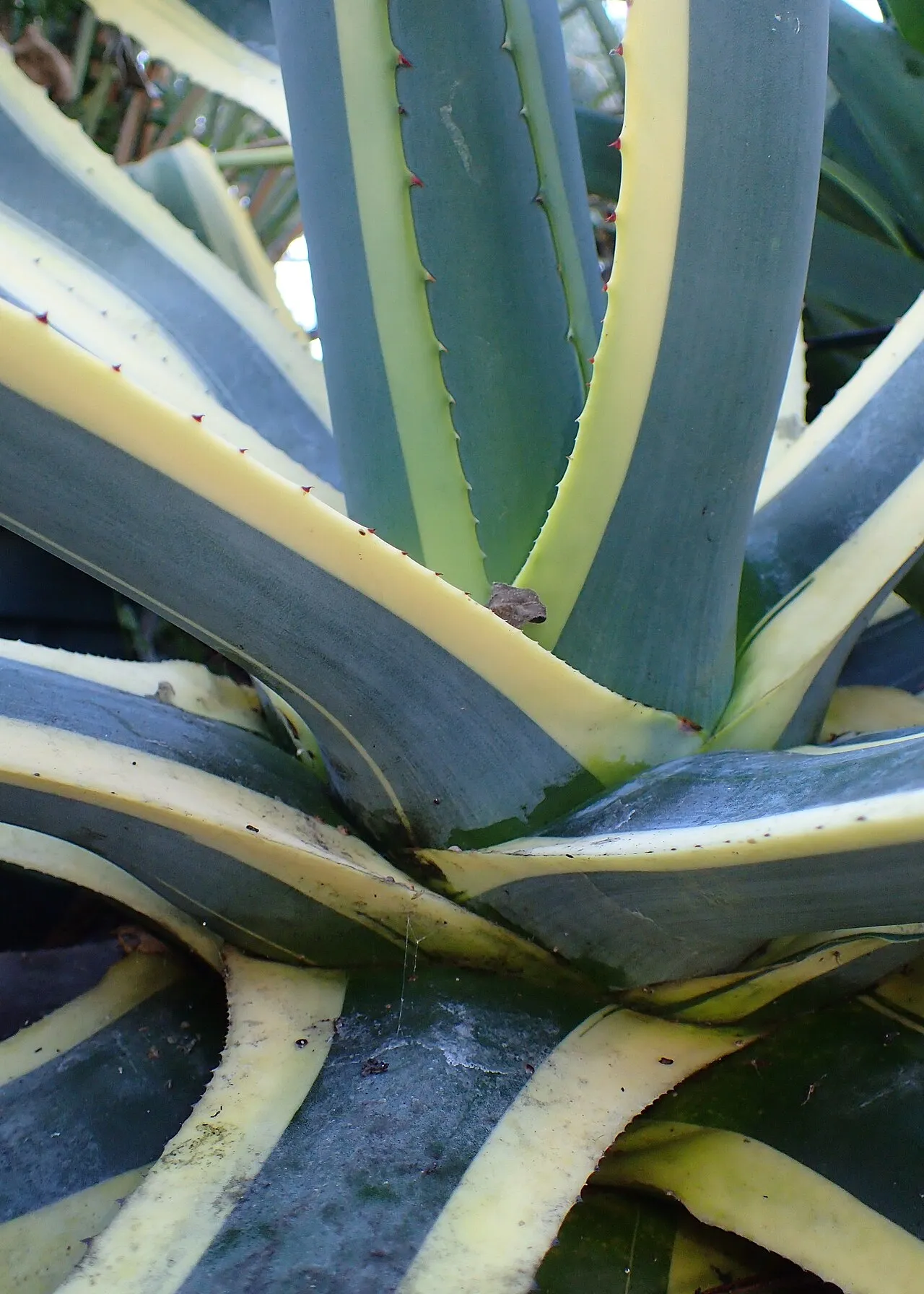
Most agaves flower once and then die, and that is normal rather than a failure. Here is what to expect, plus the drainage and spines to plan around.
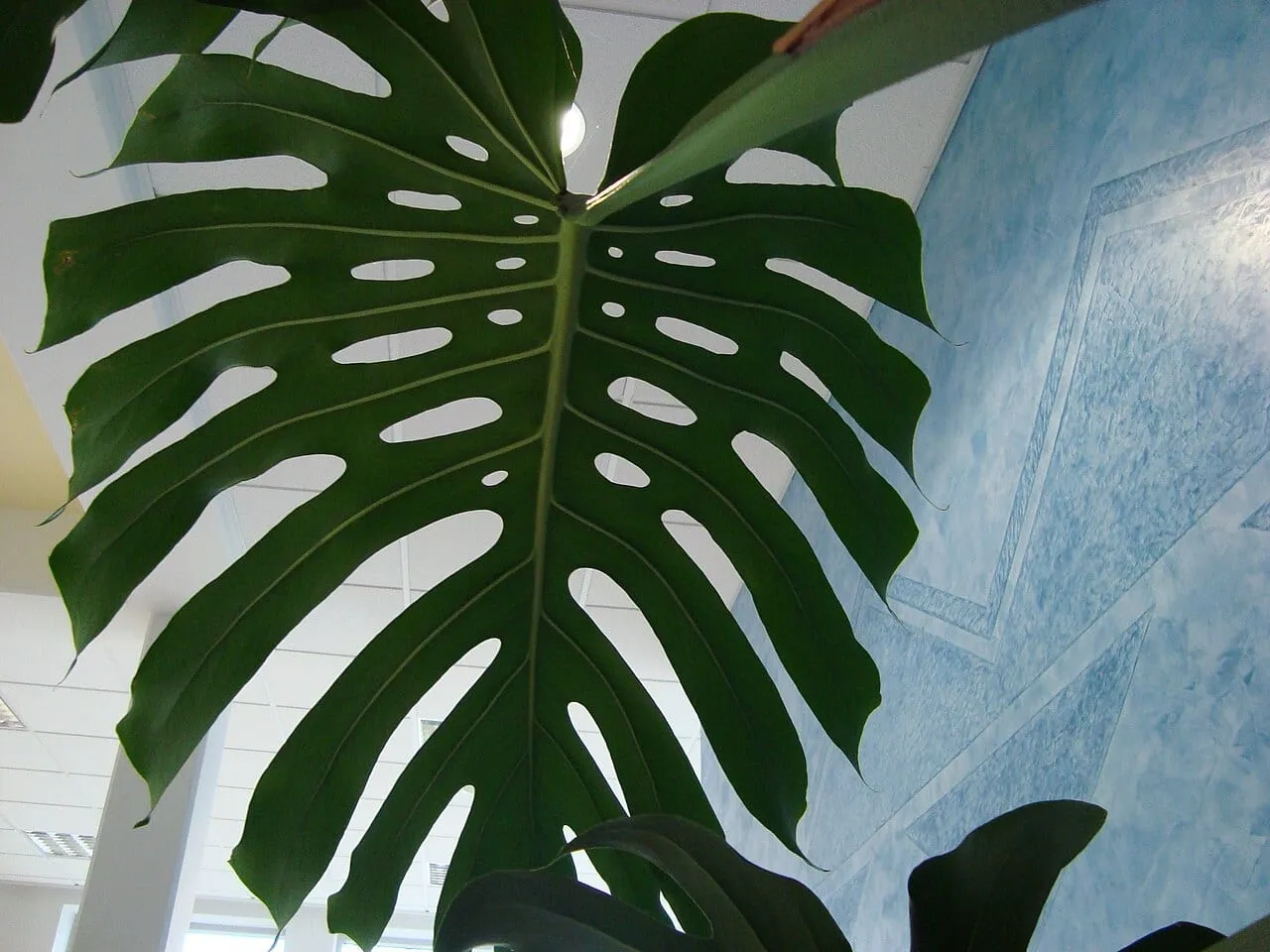
Yellowing monstera leaves almost always trace back to one of five causes. Here is how to tell them apart in under a minute, and what to do about each.
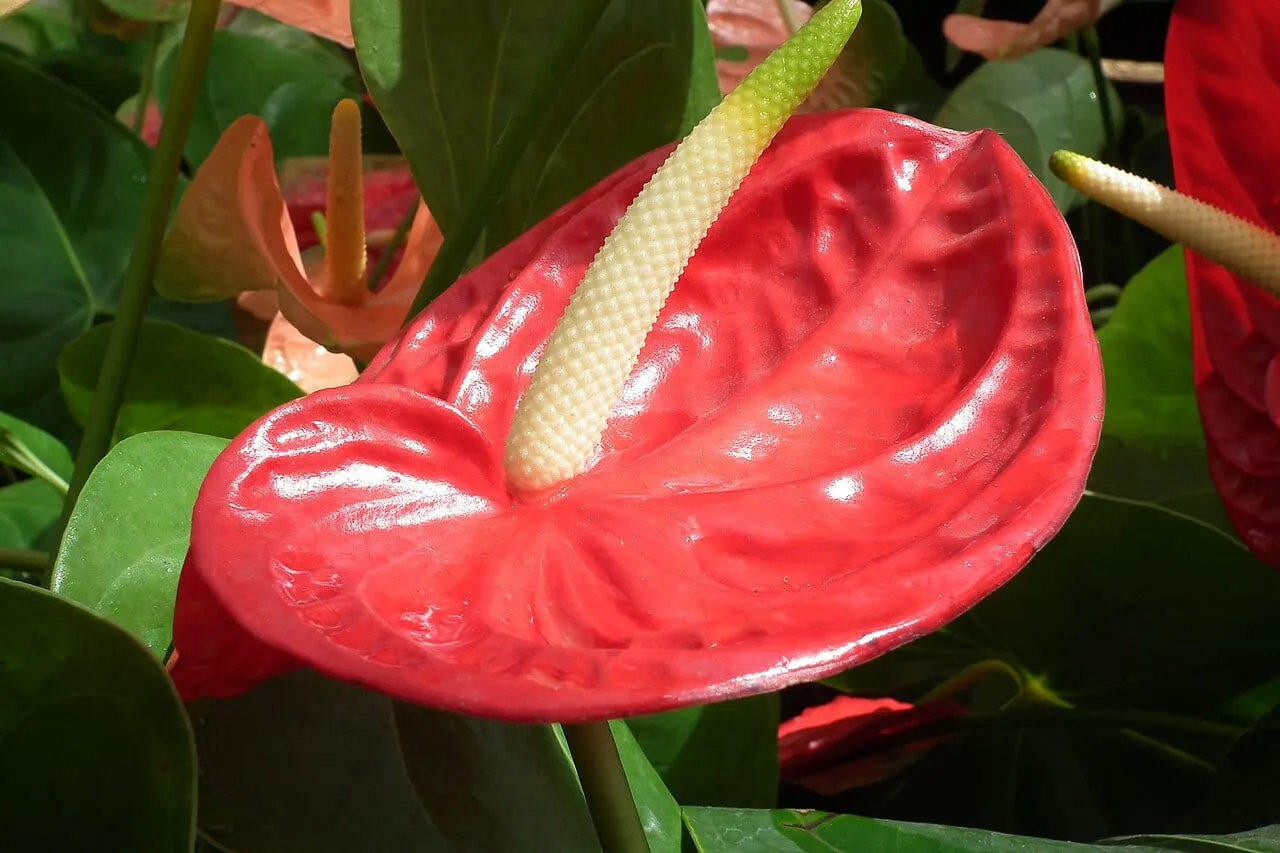
An anthurium that has stopped producing spathes is usually short of light or overdue a repot. How to work out which, and what to change.
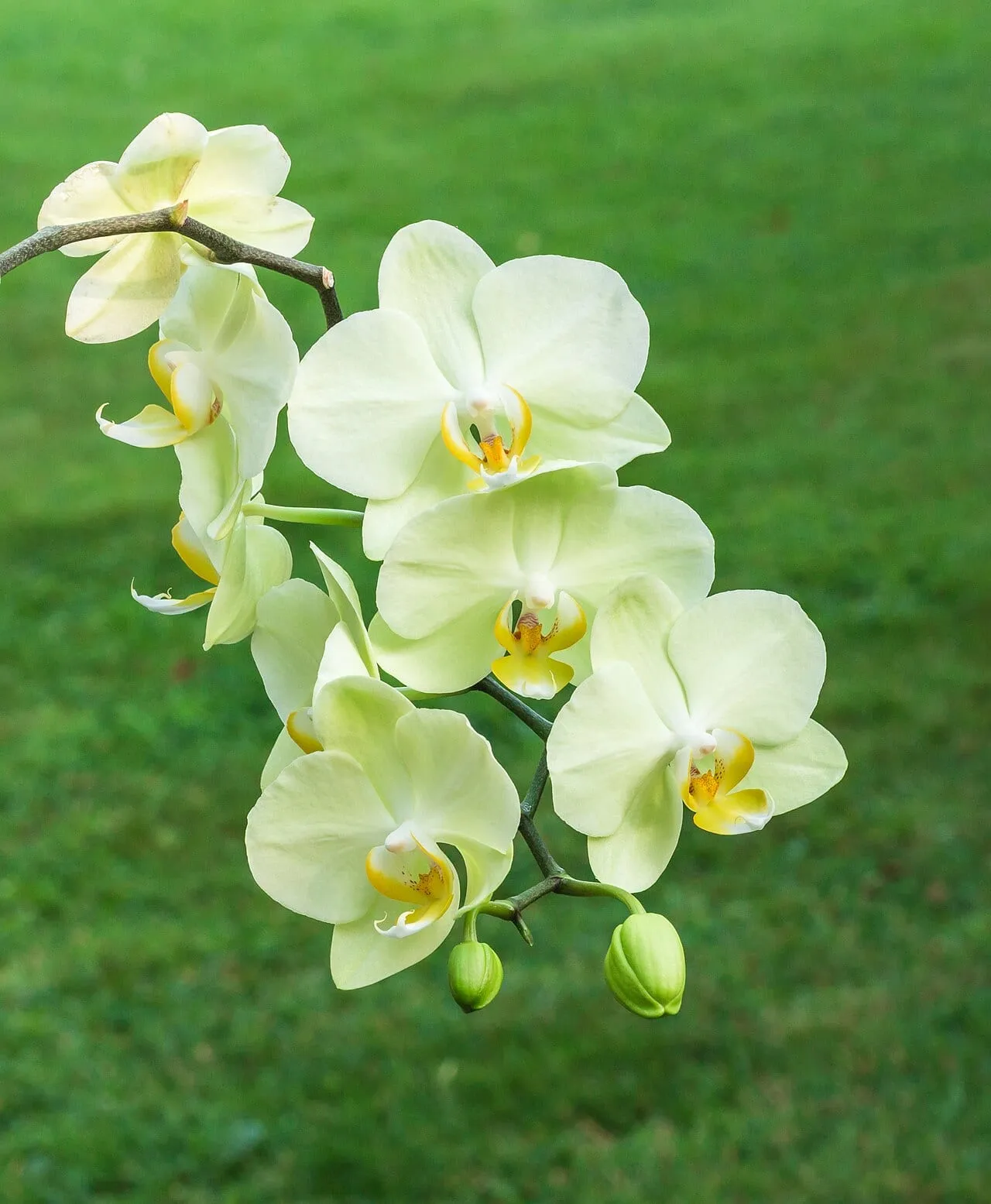
The usual reason a healthy orchid will not rebloom is light, not feeding. How to judge it by leaf colour, and when temperature matters.
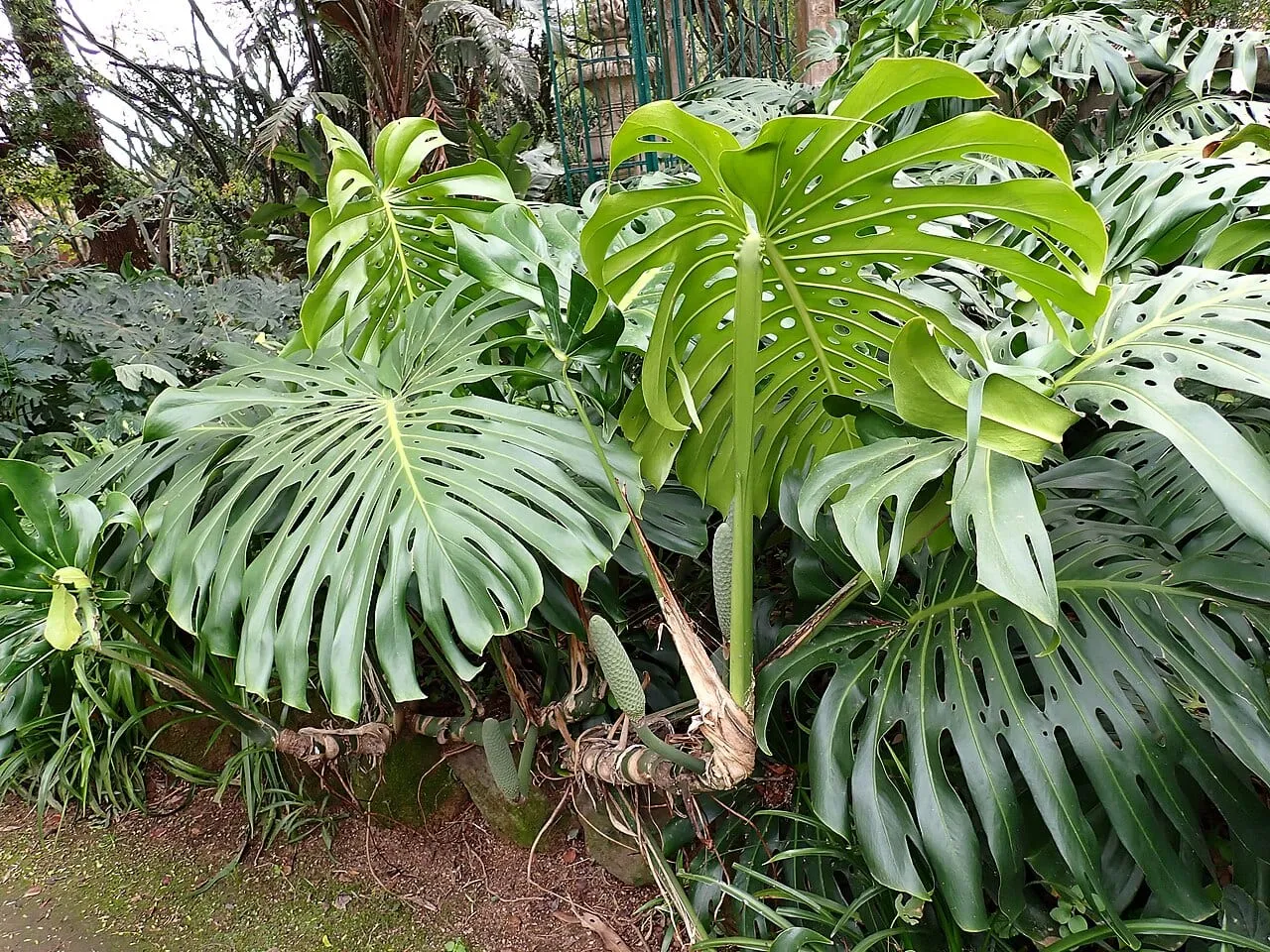
Monstera leaves fenestrate with maturity and enough light, not with age alone. Why yours are still solid, and what actually changes it.
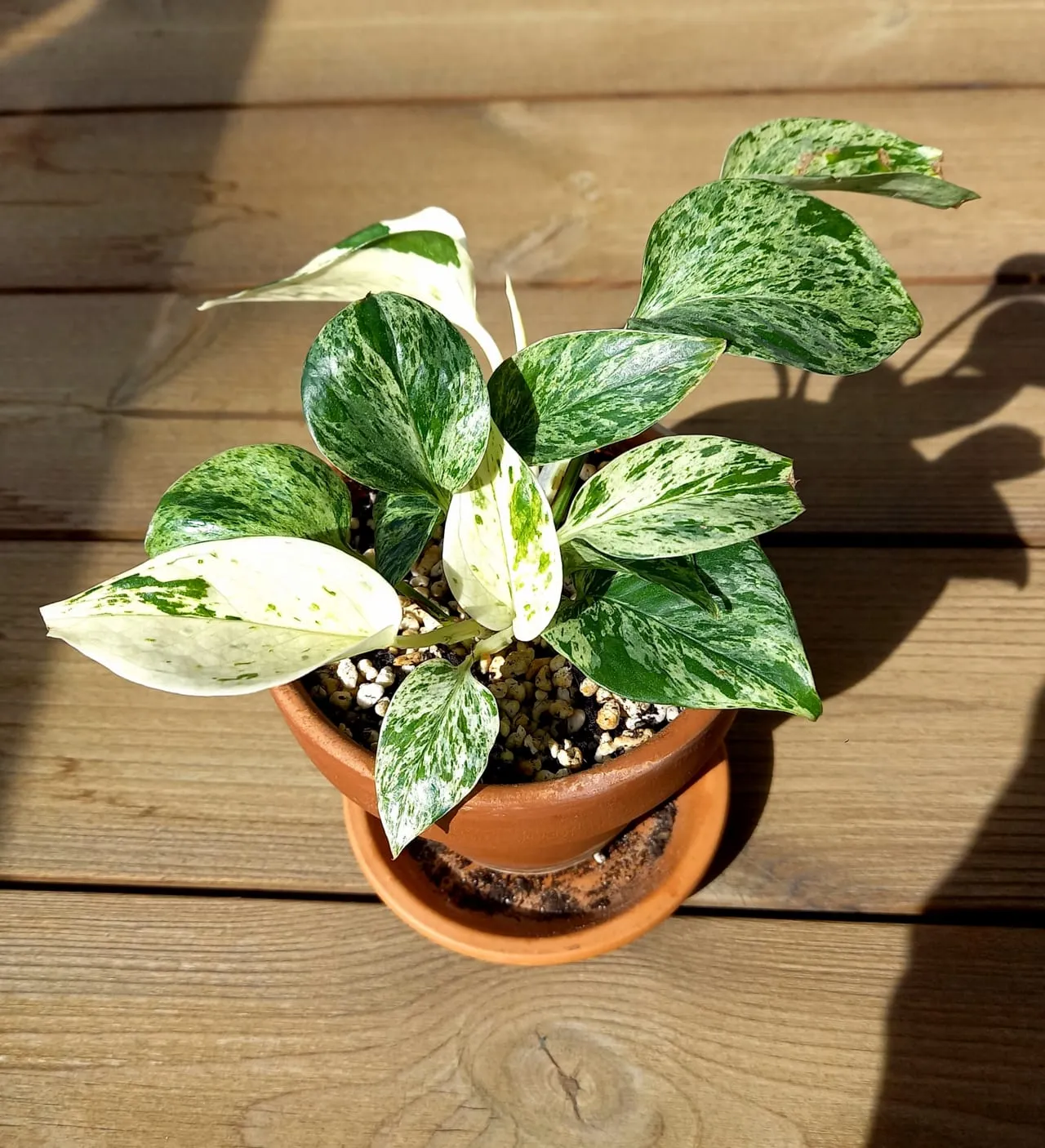
Long bare stretches of stem between pothos leaves mean the plant is reaching for light. How to fix the cause and make it full again.
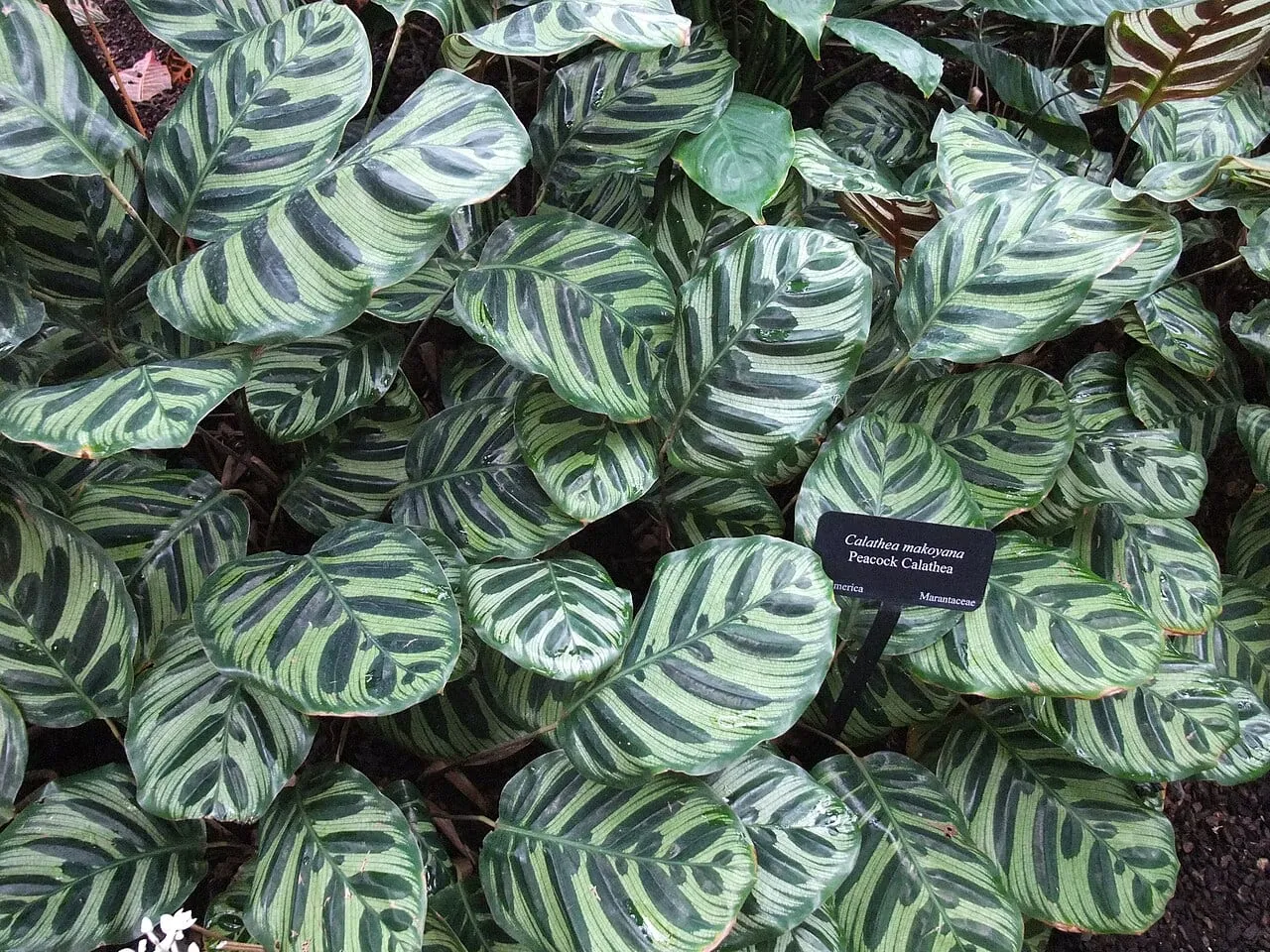
Crispy calathea edges come from dry air, tap water minerals, or inconsistent watering. How to work out which one your plant is reacting to.
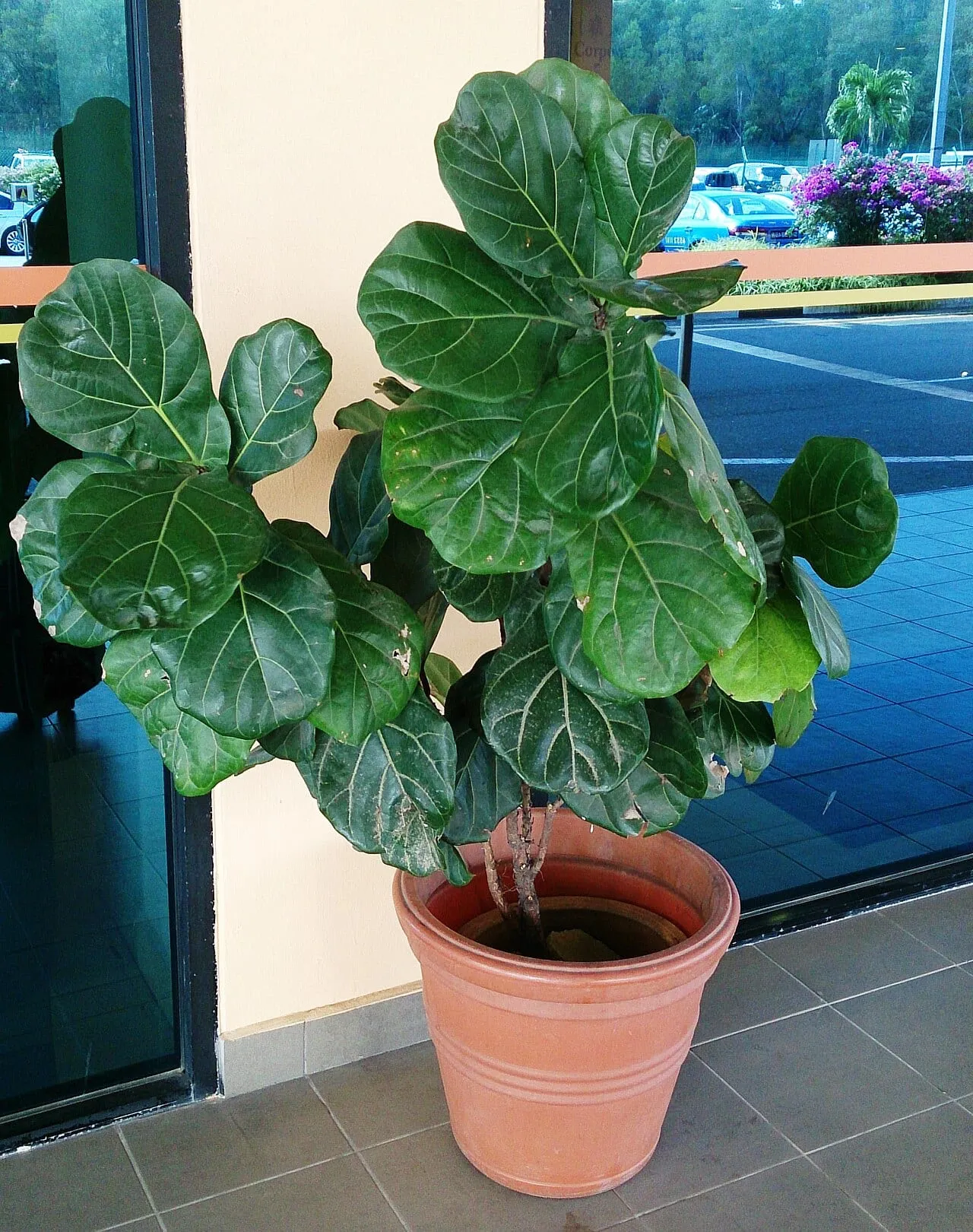
Fiddle leaf figs drop leaves in response to change itself, not just bad care. How to read which leaves fell, and what that tells you.
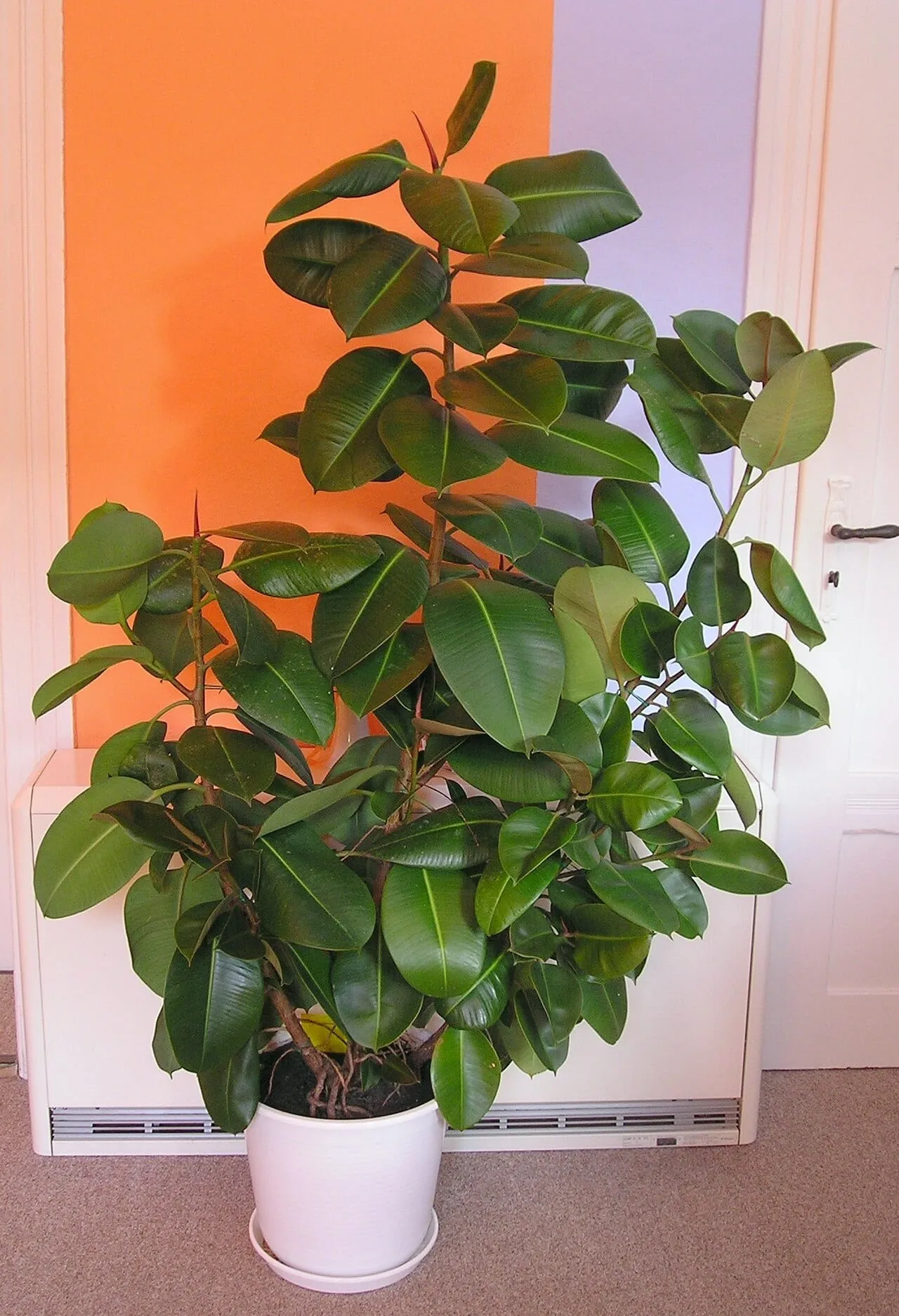
Rubber plants drop lower leaves after a move, a draught, or a change in watering. How to identify the trigger and stop the shedding.