Gardening Basics
Annual, Perennial or Biennial: What the Label Means
The three words describe a life cycle, not a plant type — and the same species can be all three depending on your zone.
The Garden Magic Hub
- Level
- Beginner
On this page
Three words for three life cycles
The terms describe how long a plant takes to complete its life cycle — seed, to flower, to seed again — and not what kind of plant it is.
Illinois Extension defines them cleanly.
Annual: a plant that completes its life cycle, from seed to flower to seed, within a single growing season. It then dies. Marigolds, zinnias, beans and lettuce are annuals.
Biennial: a plant that completes its cycle in two years. The first year produces vegetative growth only; the second produces leaves, flowers and seed, and then the plant dies. Foxglove, parsley, carrot and onion are biennials.
Perennial: a plant that lives more than two years. Herbaceous perennials produce non-woody top growth that usually dies back to the ground each winter, while the root system survives and produces new growth each spring.
Why the label on the tag may not apply to you
This is the part that causes confusion, and it is the most useful thing to understand.
Many plants sold as annuals are perennials that cannot survive your winter. A geranium or a coleus is a tender perennial — it would live for years in a frost-free climate and simply dies in most of the US. Tomatoes are the same.
So “annual” on a label often means “annual here,” and the same species is a shrub somewhere warmer. Whether a plant is annual or perennial for you depends on your hardiness zone as much as on its botany.
The reverse happens too. A perennial rated to zone 5 is a perennial in zone 6 and an annual in zone 4.
What it means in practice
Annuals flower hard and fast because they have one season to set seed. They usually give more colour over a longer period than perennials do, and they need replacing every year.
Perennials cost more per plant, take a season or two to establish, and generally flower for a shorter window — but they come back. Most benefit from division every few years.
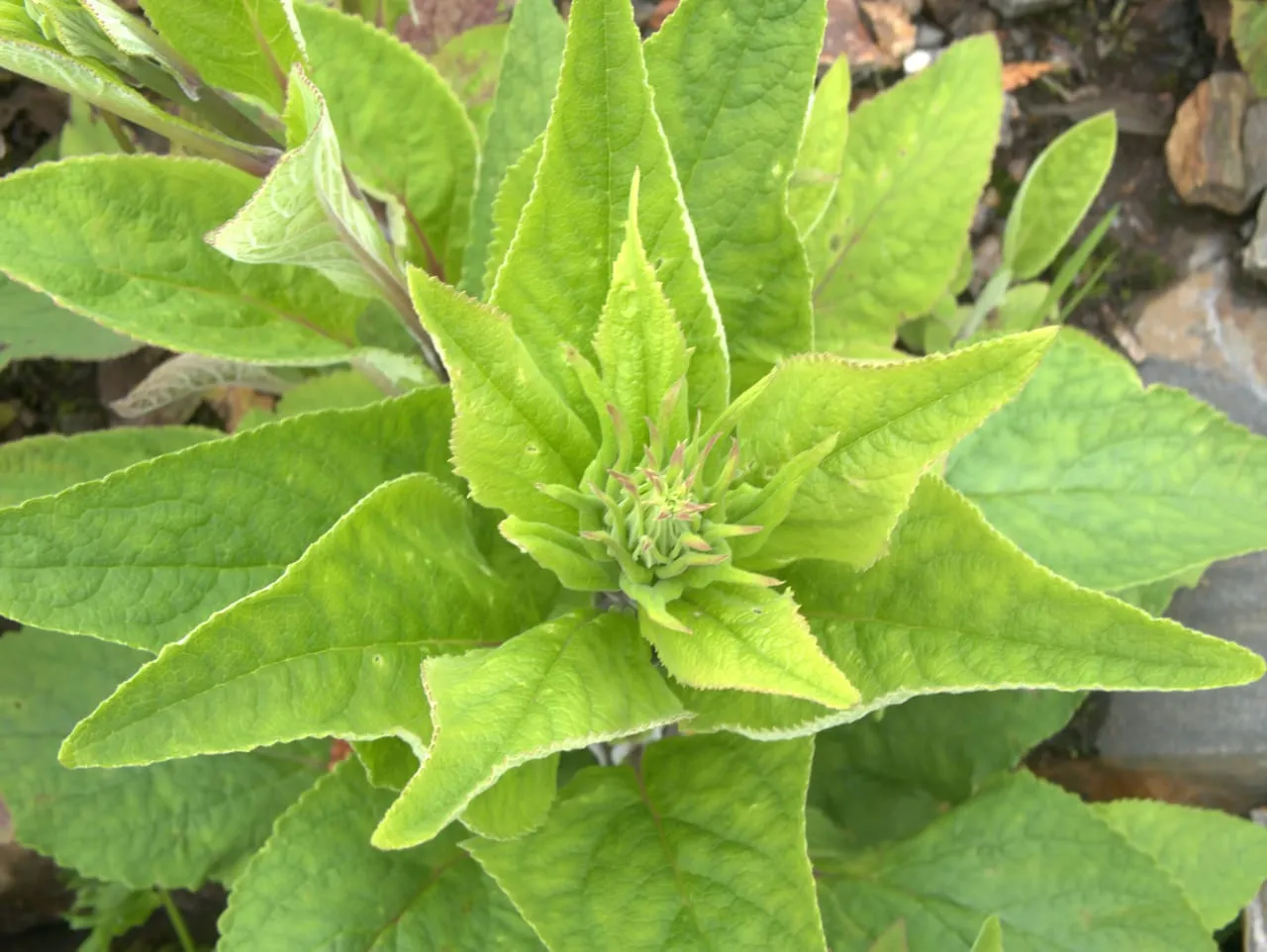
Biennials confuse people because nothing happens in year one. A foxglove planted this spring will produce a rosette of leaves and nothing else, and flower next summer. Many self-seed freely, which makes an established patch appear to be perennial when it is actually a rolling population of overlapping generations.
Vegetables that are secretly biennial
Carrots, onions, beets, cabbage and parsley are all biennials that we harvest during their first year, before they flower.
This is why they “bolt”: a cold spell can convince a first-year plant that it has been through a winter, triggering the second-year flowering response early. The plant runs to seed, and the root or leaves you were growing turn woody and bitter.
Knowing the plant is biennial makes bolting comprehensible rather than mysterious — the plant is doing exactly what it is built to do, on the wrong schedule.
- plant labels
- life cycle
- perennials
- annuals