Gardening Basics
What Full Sun and Partial Shade Actually Mean
Plant labels use four light terms and define none of them. What each one means in hours, and how to measure your own site.
The Garden Magic Hub
- Level
- Beginner
On this page
Four terms, measured in hours
Plant labels use light categories constantly and define them almost never. The convention is based on hours of direct sunlight per day during the growing season.
Full sun is the one everyone agrees on. Penn State Extension puts it at six or more hours of direct sunlight per day — and notes it “doesn’t need to be continuous.” Four hours in the morning plus three in the afternoon still counts, even with a shaded midday.
Full shade is usually less than two hours of direct sun, though some sources set the line at four.
Partial sun and partial shade are the vague middle, and this is where labels mislead.
The honest problem with “partial”
Definitions genuinely vary between sources. You will see partial shade given as two to four hours, three to six hours, or four to six hours depending on who wrote the label.
That range is wide enough to matter. A plant tagged “partial shade” by a grower using the four-to-six-hour definition may struggle badly in a spot with two hours.
Where the terms are distinguished at all, the useful convention is:
- Partial sun — nearer the top of the range, and the plant wants a decent share of direct light.
- Partial shade — nearer the bottom, and the plant wants protection, particularly from afternoon sun.
When a label says “partial,” treat it as a signal to check the plant’s actual needs rather than as a measurement.
Not all shade is the same
University of Minnesota Extension draws a distinction most plant labels ignore.
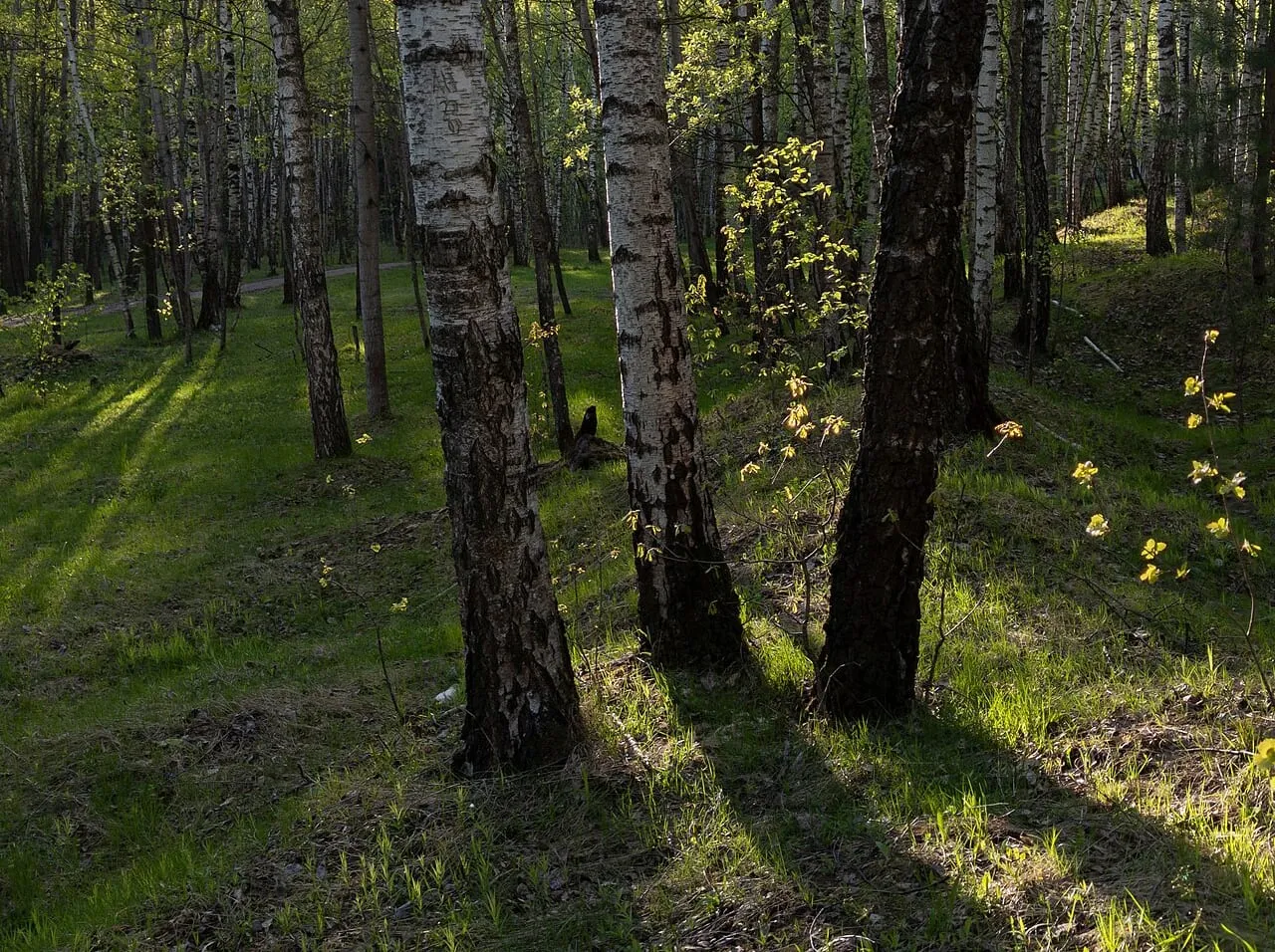
Light or dappled shade is partially filtered sun — the moving pattern beneath an open-canopied tree like a birch or honeylocust. Many plants sold as shade plants do well here.
Heavy or dense shade is a site with no direct sunlight at all: the base of a north-facing wall, or under dense evergreens. Far fewer plants tolerate it, and it is a genuinely difficult site.
Two spots both labelled “shade” can therefore be completely different growing environments.
Which hours you get matters
Six hours of morning sun is not equivalent to six hours of afternoon sun. Afternoon light is hotter and harsher, and a plant that wants “partial shade” in a hot climate almost always means shade during the afternoon specifically.
Conversely, a spot with only morning sun suits many woodland plants perfectly.
Measure your own site
Pick a day in late spring or summer when the trees are in leaf, and check the spot every hour from morning to evening. Note when it is in direct sun.
It takes one day and it is more accurate than any assumption. Most people are surprised — a border that feels bright often turns out to get four hours, not eight.
Remember that the answer changes across the year as the sun’s angle shifts and deciduous trees leaf out. Measure during the season the plant will actually be growing.
- light
- plant labels
- siting
- sun