Soil, Tools & Gear
How Deep Should Mulch Be?
Too little does nothing and too much suffocates roots. The working depth, and why mulch should never touch a trunk.
The Garden Magic Hub
- Level
- Beginner
On this page
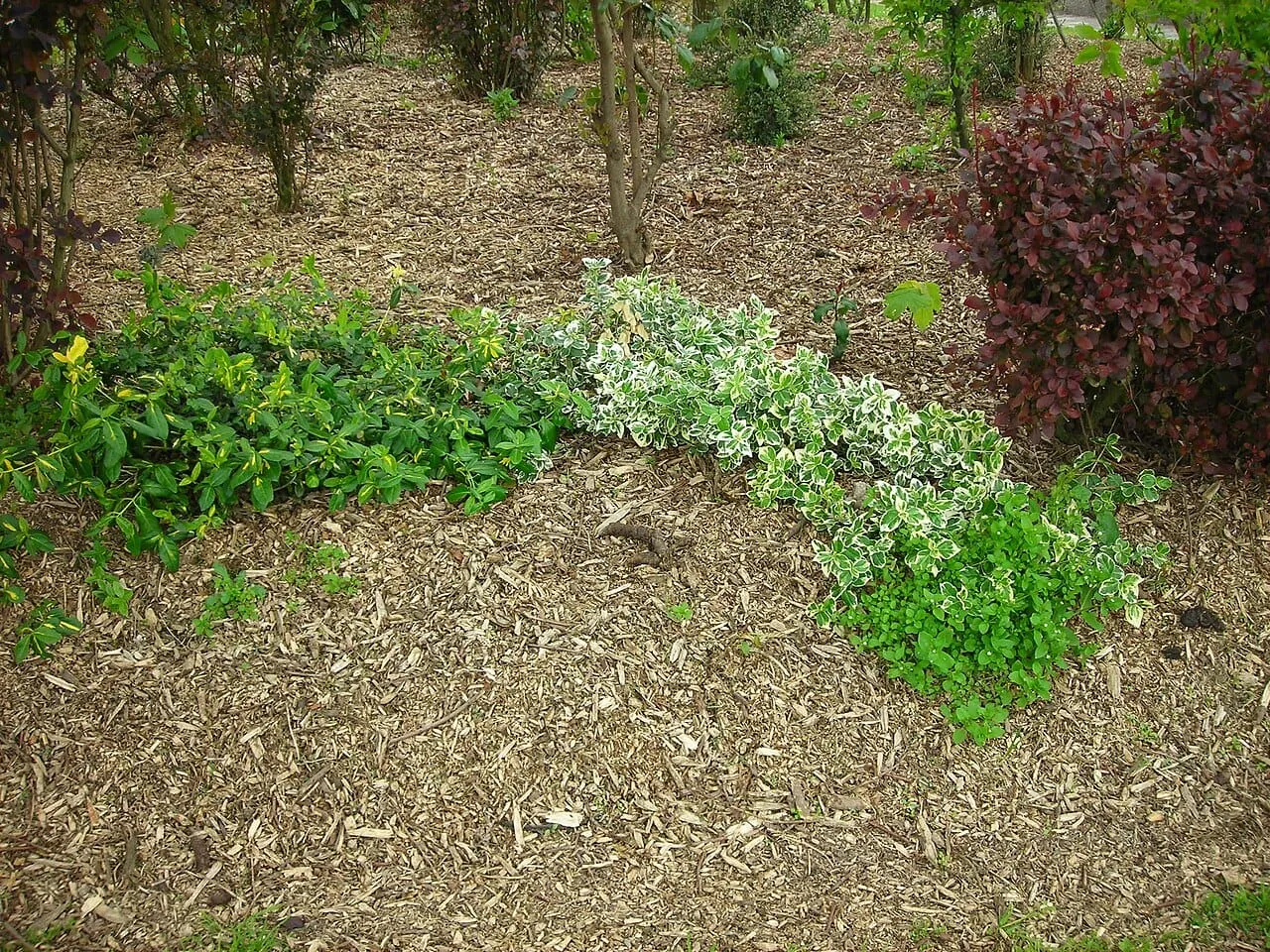
Two to four inches
That is the working range for most garden mulches, and both ends of it matter.
Below about two inches, the layer is too thin to suppress weeds or hold moisture — light reaches the soil and seeds germinate through it.
Above about four inches, the problems reverse. Excessive mulch restricts oxygen to the roots, and University of Maryland Extension documents the consequences of over-mulching in detail. Deep mulch also shelters slugs and voles, and can become hydrophobic on the surface so that light rain never reaches the soil at all.
Fine-textured mulches should sit at the lower end of the range. Coarse ones like bark chips can go to the upper end because air moves through them more freely.
Never against the trunk
The “mulch volcano” — a cone of mulch piled up against a tree trunk — is one of the most common and most damaging landscape practices there is.
Bark is not root tissue and is not adapted to constant moisture. Mulch held against a trunk keeps it permanently damp, which invites rot and disease, and encourages roots to grow into the mulch and circle the stem.
The rule is a doughnut, not a volcano. You should be able to see the trunk and the root flare where it widens into the ground. Leave several inches of clear space around the stem, then bring the mulch out to a depth of two to four inches.
Iowa State Extension gives the same guidance for trees and shrubs.
Wider is better than deeper
If you have mulch to spare, extend the circle outward rather than piling it higher.
A tree’s absorbing roots extend well beyond the canopy, and a wide, shallow ring does far more good than a narrow deep one — while also keeping mowers and strimmers away from the trunk, which is a common cause of injury.
Topping up
Organic mulches break down, which is a feature — Maryland notes they decompose and contribute to soil organic matter over time.
That means topping up periodically, but measure before you add. The frequent error is applying a fresh two inches every spring onto a layer that has only partly decomposed, and arriving at six or eight inches after a few years without ever intending to.
Rake back what is there, check the depth, and add only what is needed to return to the range.
What mulch is actually doing
Worth stating, because it changes how much you use.
It moderates soil temperature, reduces evaporation, suppresses weeds, prevents rain from compacting and crusting bare soil, and slowly feeds the soil as it breaks down.
None of those effects improve past four inches. Deeper mulch is not more mulch benefit; it is a different and worse situation.
- mulch
- depth
- weed control
- moisture