Soil, Tools & Gear
Which Pruning Tools Are Actually Worth Owning
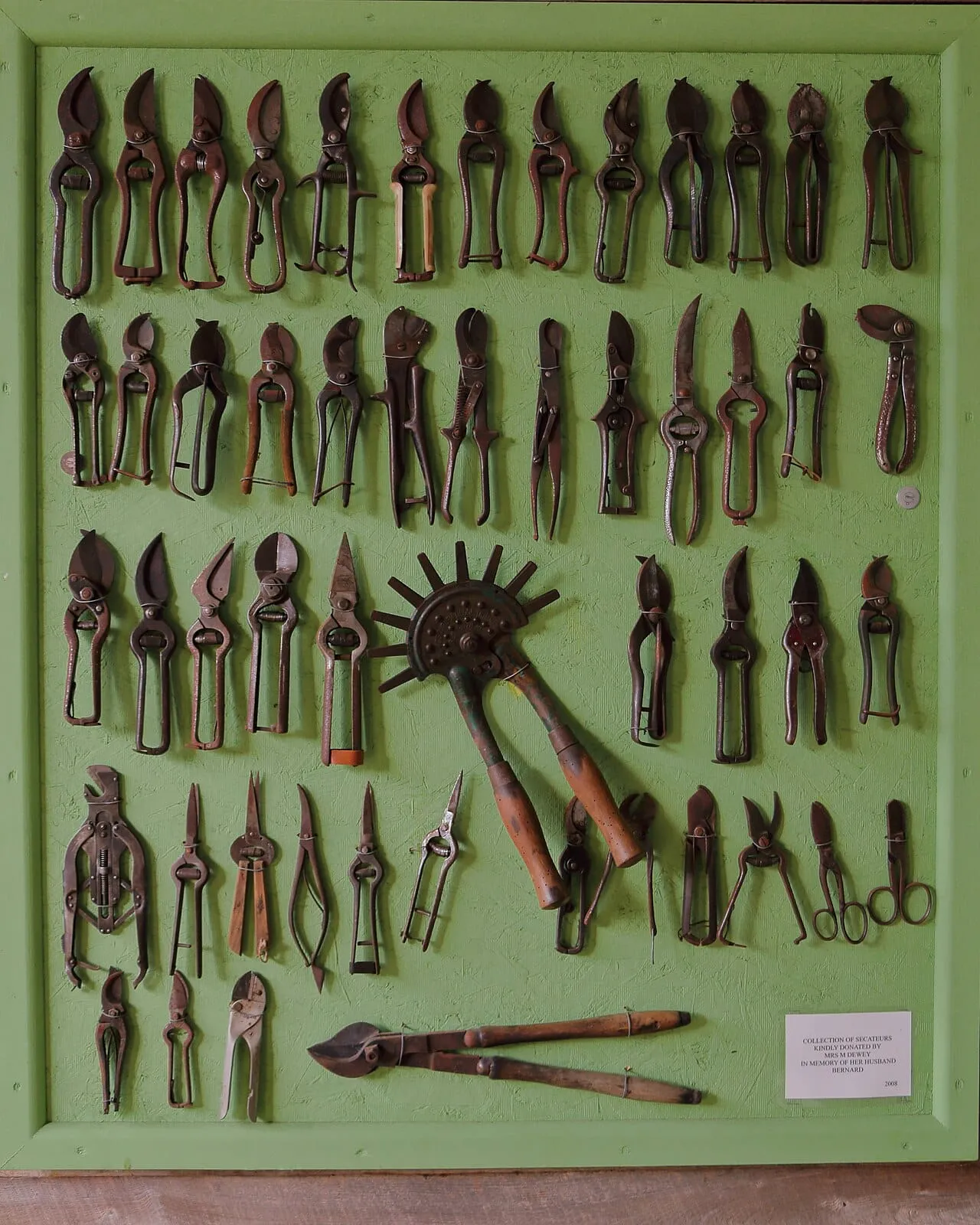
Four tools cover almost every cut a home garden needs. What each is for, and where bypass beats anvil.
The Garden Magic Hub
- Level
- Beginner
On this page
Four tools cover almost everything
Home gardens rarely need more than this, and buying by stem diameter rather than by catalogue category is the way to get it right.
| Tool | Handles up to |
|---|---|
| Hand pruners | about ½ inch |
| Loppers | ½ to 1½ inches |
| Pruning saw | above 1½ inches |
| Hedge shears | soft growth only, not woody stems |
University of Maryland Extension and NC State Extension both use these ranges. Exceeding them is where tools get damaged and cuts get ragged.
Bypass beats anvil for living wood
This is the one specification worth understanding before you buy.
Bypass pruners work like scissors — two blades passing each other. Anvil pruners have a single blade closing onto a flat surface.
NC State’s assessment: bypass pruners “reduce the tearing or crushing of tissues,” and sharp, correctly used bypass pruners “make close, clean cuts.” Anvil types can make larger cuts more easily, but they crush stem tissue against the anvil as they close.
For living stems, that crushing matters. A crushed cut heals slowly and gives disease an entry point. Buy bypass for anything you are cutting while it is alive; anvil types are fine for deadwood.
When in doubt, use the saw
A useful rule from NC State: if you are unsure whether a branch calls for loppers or a saw, choose the saw. It reaches into tighter spaces and makes a cleaner cut with less risk of crushing.
Forcing loppers through a branch at the top of their range twists the blades, leaves a torn cut, and is how loppers get bent.
What to spend on
Buy the hand pruners properly. They do most of the work and you will notice the difference every time. Replaceable blades and parts are worth more than brand name — a good pair maintained for a decade is cheaper than five bad ones.
Loppers can be mid-range. They are used less often and the mechanism is simpler.
A folding pruning saw is inexpensive and better than most people expect. Modern hardpoint blades cut on the pull stroke, aggressively, and outperform a bow saw in tight spaces.
Skip the specialist items until something specific demands them. Pole saws, ratchet pruners and long-reach cutters are worth buying for a defined job, not on the chance you may need them.
Sharp and clean matters more than expensive
A blunt tool crushes and tears whatever it is made of. Sharpening hand pruners takes a few minutes with a small file and makes the biggest single difference to cut quality.
Clean blades between plants when you are cutting anything diseased. Sap and debris also cause blades to stick and rust, so wiping down after use is a habit worth having.
- pruning
- tools
- secateurs
- equipment