Flowering Houseplants
How to Grow and Care for Bird of Paradise
Bird of paradise flowers better when it is crowded, so repotting into a bigger pot is a common reason yours has never bloomed. Here is what it takes.
The Garden Magic Hub
- Zone
- 10–12
- Light
- Full sun
- Water
- Moderate
- Level
- Intermediate
On this page
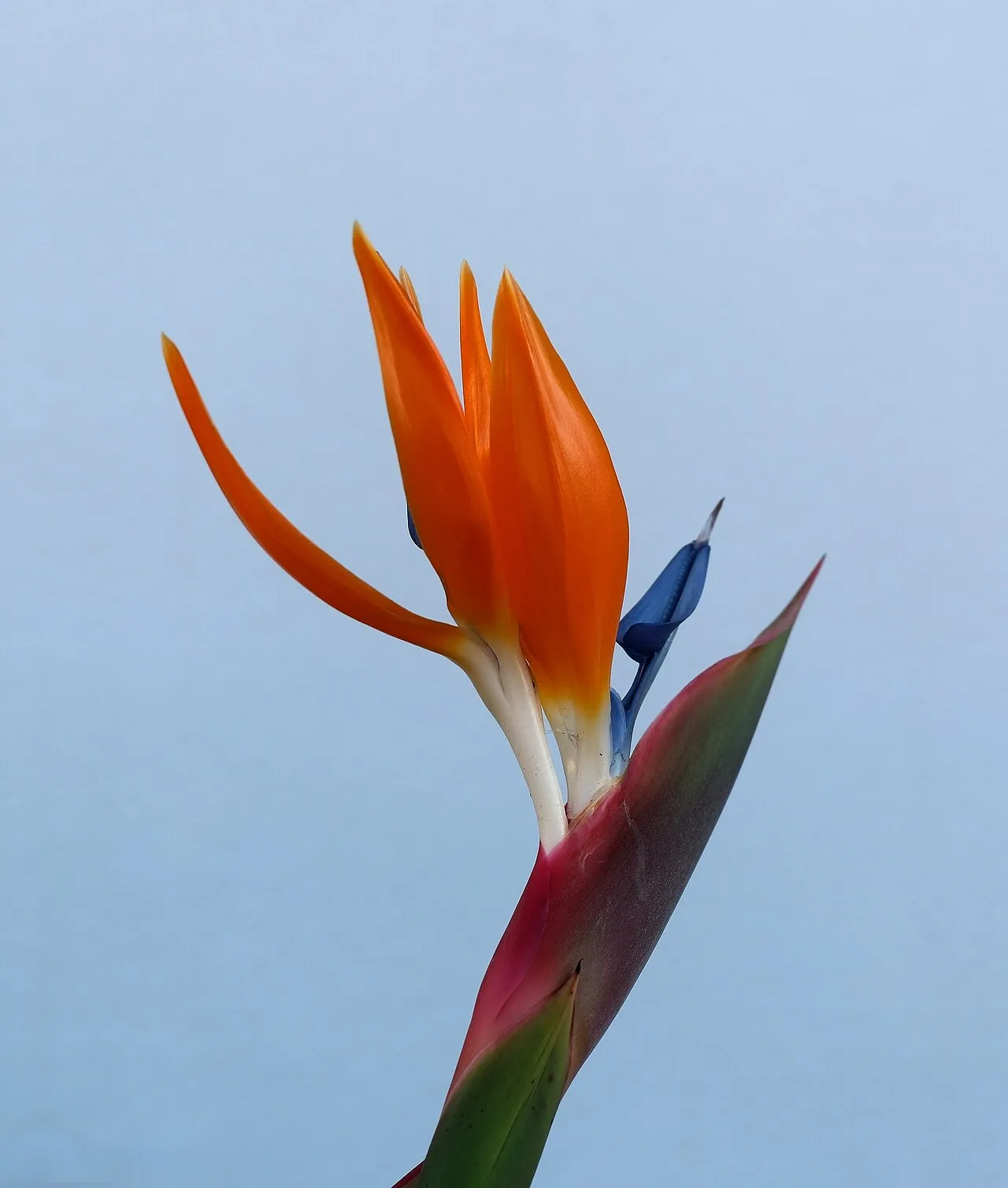
Bird of paradise is bought for the flower and, in a great many homes, never produces one. The reasons are specific and mostly fixable — and one of them is the exact opposite of what people assume.
Why yours is not flowering
Four causes account for nearly all of it:
It is not old enough. UF/IFAS gives three to five years from seed before a plant blooms. A young seed-grown plant is not failing; it is not finished. Plants raised from division of an established clump flower much sooner — within a year or two.
Not enough light. This is a sun plant. Indoors it wants the brightest position you have; NC State specifies a “well-lit, sunny spot,” and outdoors full sun to partial shade.
Inconsistent feeding. UF/IFAS suggests fertilising every three months during the growing season for prolific flowering. Bird of paradise is a heavy feeder and a neglected one simply grows leaves.
Overpotting — and this is the counterintuitive one.
It flowers better when crowded
The plant flowers more freely under crowded conditions and is best left undisturbed.
That reverses the usual houseplant instinct. Moving a bird of paradise into a roomier pot because it looks cramped is one of the more common ways to delay flowering by another couple of years: the plant puts its energy into filling the new root space instead of blooming.
So resist repotting. Leave it pot-bound, feed it properly, and give it light. When it genuinely must be repotted, go up one size only.
Light, and a useful trade-off
Full sun gives the most flowers. But UF/IFAS notes something worth knowing before you choose a spot: plants grown in part shade grow taller and produce larger flowers than those in full sun.
So it is not simply “more sun is better.” Full sun for quantity; part shade for stature and size of individual blooms. In hot southern gardens part shade is also easier on the foliage.
Size
NC State gives 3 to 4 feet tall and wide — a substantial floor plant indoors, and a clump-forming perennial outdoors in the warmest zones.
Hardy only in zones 10a to 12b, so almost everywhere in the US it is a container plant that summers outside and comes in before frost.
Water and soil
Fertile, loamy, well-drained soil, tolerant of acid, neutral or alkaline pH.
NC State’s watering pattern is seasonal and worth following: water freely during the growing season, and keep drier in winter. The winter reduction matters — a plant kept wet through a dim, cool winter is the standard route to root rot.
Flowering season
NC State notes it blooms intermittently throughout the year rather than in one defined flush, which is part of the appeal on a mature plant. Individual flowers last a long time, and a well-grown clump produces a succession.
Propagation
Division is the recommended method, and it is also the fast route to a flowering plant — divisions bloom in a year or two versus three to five from seed.
Divide an established clump in spring, giving each piece several shoots and a good share of roots. Then leave it alone: a freshly divided plant needs to become crowded again before it flowers well.
Toxicity
NC State rates it low severity: mild nausea, vomiting and drowsiness, caused mainly by the fruit and seeds. Listed as toxic to cats, dogs and horses.
The foliage is not the main concern, and a houseplant will rarely fruit. Still not one to let a pet chew.
Problems
Mealybugs, scale and spider mites are the pests to watch, all of which favour dry indoor air. Root rot from overwatering and occasional leaf spot round it out — though NC State’s overall verdict is that it is “usually pest and disease free.”
Torn, split leaves are normal, incidentally, not damage. Large paddle leaves split along the veins in wind and handling; it is how the plant sheds wind load.
The short version
Brightest light you have, fertile free-draining mix, water freely in summer and sparingly in winter, and feed every three months through the growing season. Then leave it crowded — the single most common reason a healthy bird of paradise does not flower is that someone kept giving it a bigger pot.
- bird of paradise
- strelitzia
- not flowering
- pot bound
- division