Foliage Plants
How to Grow and Care for Cast Iron Plant
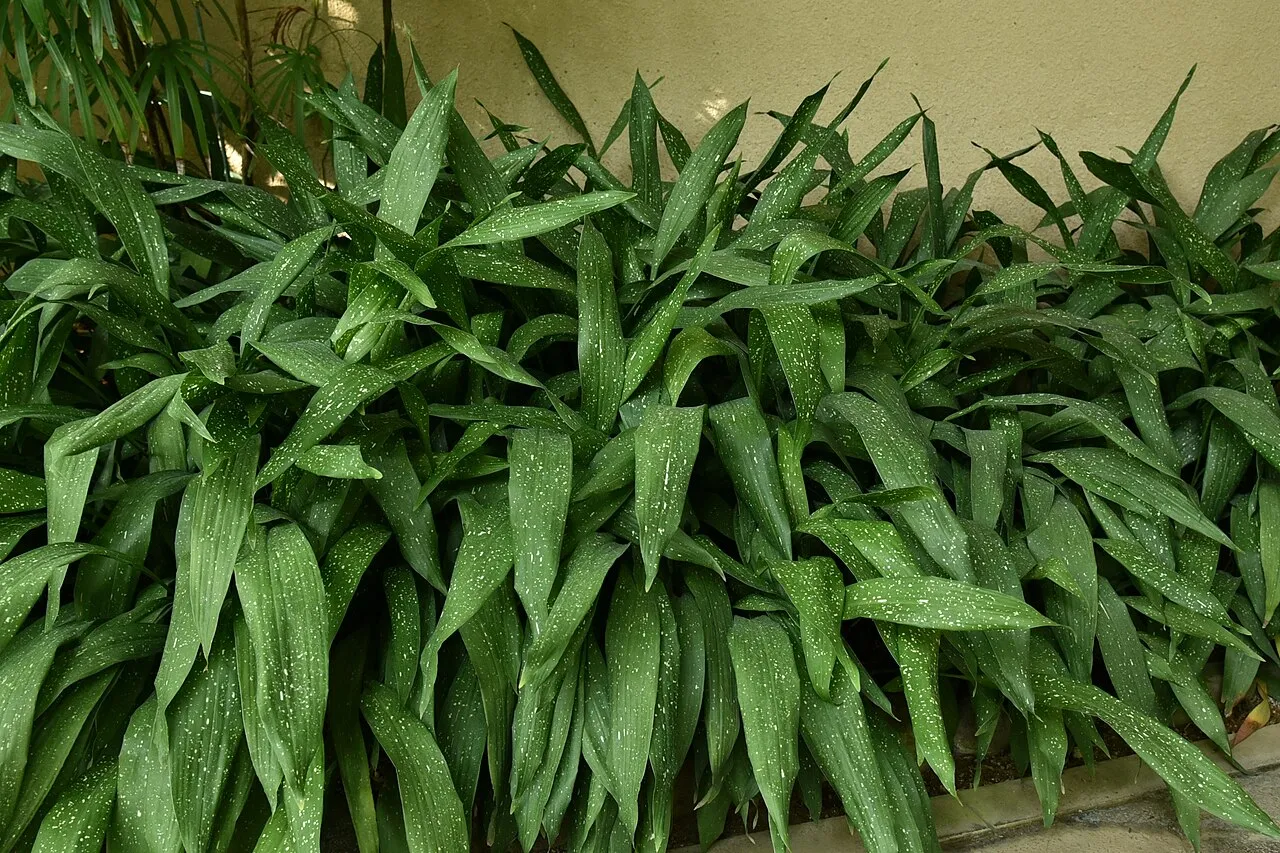
Named for surviving Victorian barrooms, and still the best plant for a dark corner. The trade-off is that it grows extremely slowly — so buy a big one.
The Garden Magic Hub
- Zone
- 7–11
- Light
- Shade
- Water
- Low
- Level
- Beginner
On this page
The cast iron plant got its name honestly. It is the plant that survives conditions which kill everything else, and it has been earning that reputation since the Victorians filled their parlours with it.
Where the names come from
NC State Extension explains both common names, and the second is the better one.
It is called iron plant for its “ability to withstand neglect.”
It is also called barroom plant for its “ability to withstand spittoonish conditions.”
That is not a figure of speech invented by a garden writer. Aspidistra was the standard plant for Victorian pubs and parlours precisely because it tolerated gaslight fumes, coal smoke, cold draughts, erratic watering and worse — conditions that killed every other houseplant of the era.
Very little has changed. If you have a corner where nothing survives, this is the plant to try.
Deep shade is its actual specialism
NC State gives its light requirement as dappled sunlight or deep shade — “less than 2 hours to no direct sunlight” — and describes it as intolerant of direct sun.
Read that carefully. Most “low light tolerant” houseplants merely survive low light while preferring more. Aspidistra genuinely wants shade, and direct sun scorches and bleaches the leaves.
NC State suggests it as an “excellent hosta substitute” for low-light areas, which is a useful way to think about it outdoors in zones 7 and warmer: same role, same conditions, but evergreen and far more drought tolerant than a hosta.
The trade-off is speed
Growth is slow. That is the price of the toughness, and it is worth planning around.
Buy the biggest plant you can afford. A small aspidistra will take years to become a presence in a room. Unlike a fast houseplant, you are not going to grow it into the space — you are buying the size you will have for a long time.
It also means damage is slow to repair. A leaf broken or scorched stays that way for a year or more, so site it out of traffic.
Size: 1 to 3 feet tall and wide.
Water and soil
Tolerant of a variety of soil textures, and drought tolerant, coping with dry and nutrient-poor soils.
NC State’s watering pattern is seasonal: water regularly from spring to autumn and during droughts, sparingly in winter.
That winter reduction matters more than it sounds. A slow-growing plant in a dim room in January is using very little water, and overwatering then is the one reliable way to kill an otherwise indestructible plant. If you are going to neglect it, neglect it in winter.
Outdoors
Hardy in zones 7a to 11b, where NC State notes it spreads if planted in the ground — it moves outward by rhizomes, gradually forming a colony.
That makes it genuinely useful as a shade groundcover in the South, in dry shade under trees where little else establishes. It is also slightly salt tolerant, which extends its use in coastal gardens.
Propagation is by division of those rhizomes, in spring.
Problems
NC State’s summary is short: “There are no serious pest problems.” It is also resistant to damage by deer.
The realistic failure modes are direct sun, and overwatering in winter. Brown leaf tips usually mean either sun or a build-up of salts from tap water and fertiliser — flushing the pot thoroughly a couple of times a year deals with the latter.
Dust is worth mentioning on a plant with leaves this large and this long-lived. Wipe them occasionally; a dusty leaf photosynthesises less, and this plant has little energy to spare.
The short version
Deep shade, no direct sun, ordinary soil, and water regularly in summer but sparingly in winter. It will survive almost anything except a sunny window and a wet pot in January. Buy a large plant, because it grows very slowly — and outdoors in zone 7 and warmer, use it where a hosta would fail.
- cast iron plant
- aspidistra
- deep shade
- low light
- drought tolerant