Ferns
How to Grow and Care for Boston Fern
Brown, dropping fronds are almost always dry air, not underwatering. Here is how to give a Boston fern the humidity it needs — and why those dots are not scale.
The Garden Magic Hub
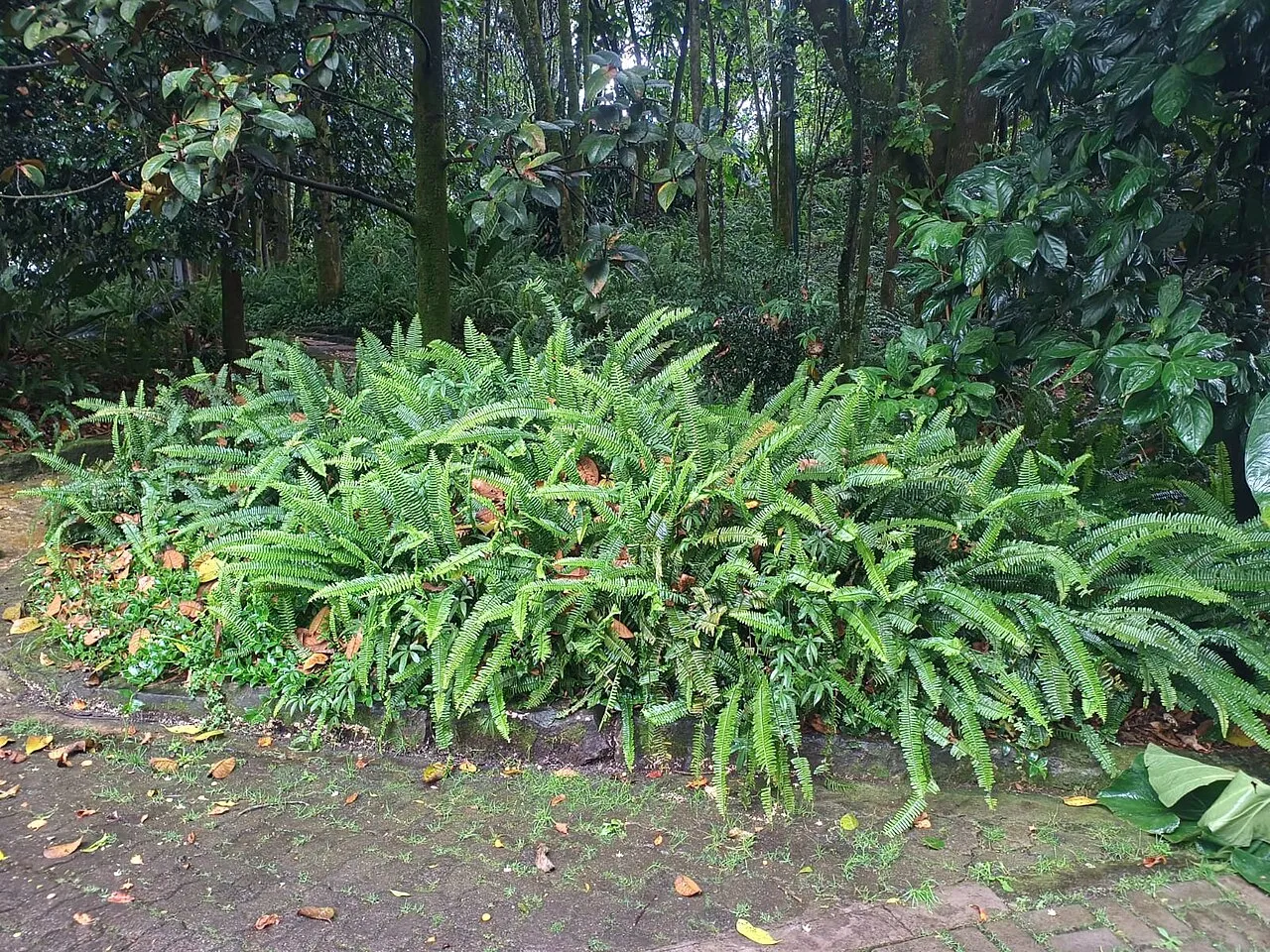
- Zone
- 10–13
- Light
- Shade
- Water
- High
- Level
- Intermediate
On this page
The Boston fern is a Victorian parlour plant that has never gone out of fashion, and it fails indoors for one reason far more often than any other.
It is a US native
Worth knowing, because it changes how you think about the plant. USDA PLANTS records Nephrolepis exaltata as native to the lower 48 — specifically to Florida — as well as to Hawaii, Puerto Rico and the Virgin Islands.
So this is not an exotic from the other side of the world. It is a subtropical American fern of humid shaded ground, and everything below follows from that.
Dry air is what kills it
NC State Extension is clear on the cause of the classic symptom: brown fronds and leaf drop are typically caused by dry air.
This matters because the instinct is to water more, and watering more does not raise humidity — it just makes the soil soggy while the air stays dry, and you end up with a fern that is both browning and rotting.
The plant needs high humidity, and NC State’s suggestions are the practical ones:
- Site it in a kitchen or bathroom, where humidity is naturally higher.
- Stand the pot on a tray of wet pebbles — the pot sits on the pebbles, above the water line, not in it.
- Run a humidifier in winter, when heated indoor air is at its driest.
Grouping plants together helps as well. Misting is popular but its effect is brief; a pebble tray or humidifier does more.
There is a second consequence NC State notes: scale and spider mites become problematic when the surrounding air lacks moisture. So dry air does not just brown the fronds, it invites the pests too. Fixing the humidity is pest control as well as care.
Water
Moist soil that should never be allowed to dry out. Boston ferns have fine roots and no tolerance for drought — a single thorough drying can cost you most of the fronds.
The exception is winter: reduce watering during the dormant period to prevent root rot. Less water, but never bone dry.
Use a loam-based mix with good drainage. Constant moisture and free drainage together are the target, as with most ferns.
Light and temperature
Bright, indirect light. NC State notes it also tolerates dappled sunlight and even deep shade — this is a genuinely shade-capable plant, though growth thins in very low light.
Direct sun scorches the fronds quickly.
Keep it warm: 60 to 70°F. It is hardy outdoors only in zones 10a to 13b, so in most of the country it summers outside in shade and comes in before cold weather.
Size
2 to 3 feet in height and width. A well-grown Boston fern is a substantial plant, which is why they suit hanging baskets and pedestals where the fronds can arch and spill without being crushed against a wall.
Those dots underneath are not pests
This is the single most useful identification point on the plant, and NC State flags it directly: “Dark brown to black dots” on the leaf undersides are spores, not pest damage.
Every year people find neat rows of round brown dots on the back of the fronds, conclude they have scale insects, and start spraying a healthy plant. Ferns reproduce by spores, and the spore cases — sori — are arranged in tidy, regular rows along each leaflet.
The distinction is easy once you look: spores are regular, symmetrical and identical on frond after frond. Scale insects are irregular, scattered, raised, and can be scraped off with a fingernail.
Propagation
Boston ferns produce runners (stolons) — thin wiry stems that snake out from the crown — and these are the easy route. Pin one down into a pot of moist mix, wait for it to root, then sever it.
Division of an established clump works too. Spores are possible but slow and fiddly, and most named Boston fern cultivars will not come true from them anyway.
Pests
Beyond the dry-air-driven scale and spider mites, NC State names the Florida fern caterpillar, which feeds at night and can strip a plant quickly. Damage appears faster than the culprit does — check after dark if fronds are disappearing.
The short version
A Florida native that wants humid shade at 60 to 70°F, soil that never dries out, and bright indirect light. Brown fronds mean dry air, not thirst, so fix the humidity rather than the watering can. Propagate from the runners. And before you spray, check whether those dots are in neat rows — if they are, they are spores.
- boston fern
- nephrolepis
- humidity
- brown fronds
- spores