Houseplants
Why Monstera Leaves Aren't Splitting
Monstera leaves fenestrate with maturity and enough light, not with age alone. Why yours are still solid, and what actually changes it.
The Garden Magic Hub
- Light
- Partial sun
- Water
- Moderate
- Level
- Beginner
On this page
Splits are a sign of maturity, not of health
A monstera with solid, heart-shaped leaves is not a sick monstera. It is a young one, or one being grown in conditions that keep it juvenile.
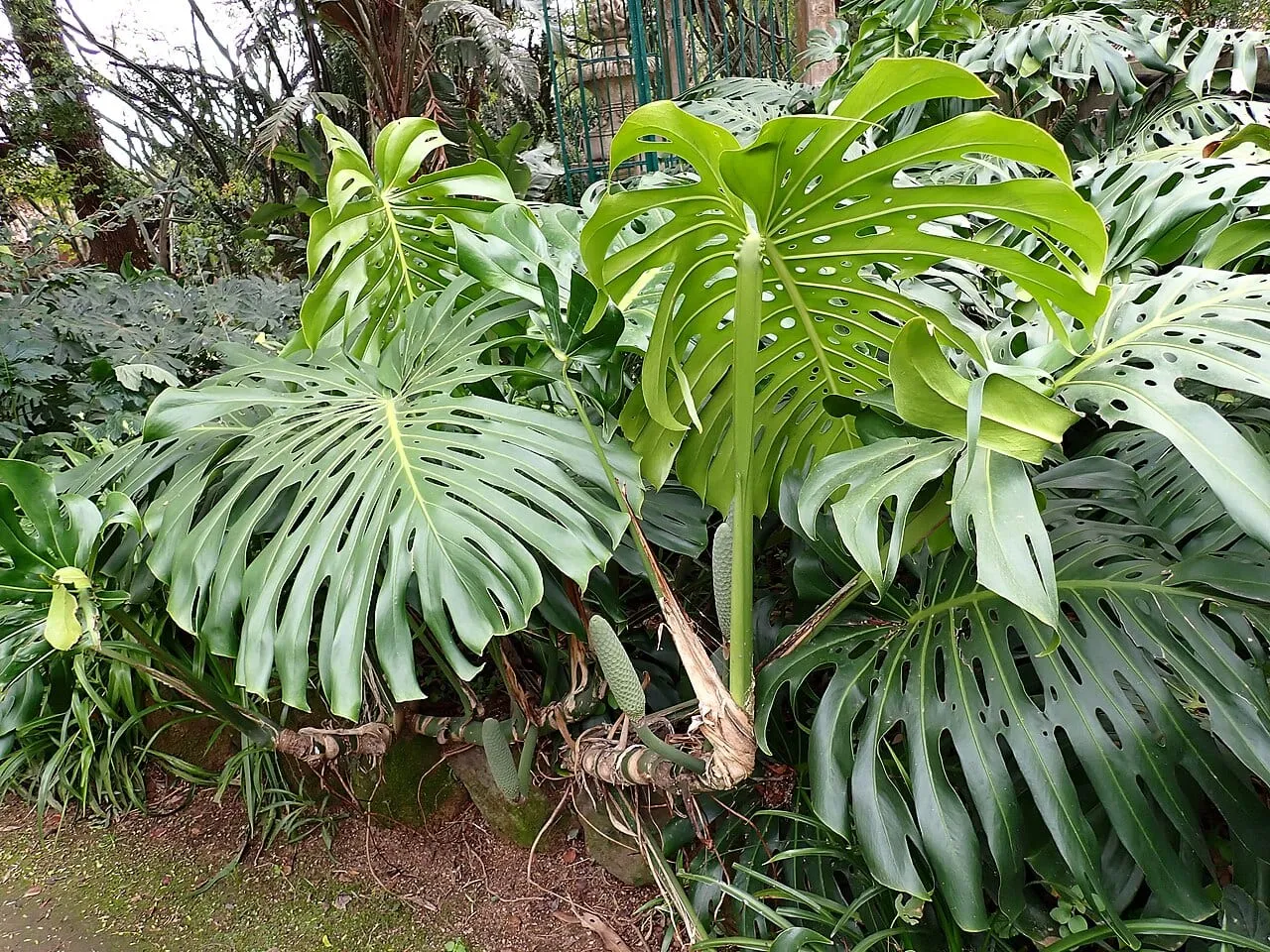
University of Wisconsin Horticulture describes the progression plainly: juvenile leaves are “small, green, and mostly entire (uncut),” while mature leaves become “very large, glossy green, and perforated or cut.”
The holes and splits — fenestrations — are thought to let wind pass through the leaf, an adaptation to the plant’s rainforest origins. They arrive with age and size, and Wisconsin notes that “as monstera plants grow older they develop the characteristic foliage of the mature plant.”
So the first question is not what is wrong. It is how old the plant is.
Age and size come first
A young monstera, or a plant grown from a recent cutting, will produce entire leaves for a considerable time regardless of how well you treat it. Each new leaf tends to be a little larger than the last, and splitting begins once the plant has the size to support it.
You cannot skip this. A small plant will not produce a fenestrated leaf because you improved its care last month.
What you can do is make sure nothing is holding it at the juvenile stage.
Light is the factor you control
Insufficient light is the most common reason an otherwise mature monstera keeps producing small, plain leaves.
Wisconsin’s siting advice is to select a spot near a sunny window “where it can receive bright light but not direct sun.” Iowa State Extension adds the general rule that spindly growth in houseplants is typically caused by low light.
The pattern to look for: long bare stretches of stem between leaves, each new leaf no bigger than the last, and no splits. That is a plant that is spending its energy reaching rather than building.
Move it closer to a bright window — bright indirect, not direct midday sun, which scorches the foliage.
Support changes things
In the wild, Monstera deliciosa climbs. Given something to climb, it produces progressively larger and more deeply cut leaves; left to trail across a shelf, it tends to stay juvenile.
A moss pole or a plank gives the aerial roots something to attach to and is one of the more reliable ways to push a plant toward mature foliage.
Humidity and feeding
Wisconsin notes monstera “likes humidity, preferably above 50%,” which is above what most homes provide in winter but achievable by grouping plants or running a humidifier.
Feed during the growing season at label rates. Neither humidity nor fertiliser will make a small plant fenestrate on its own, but both support the vigorous growth that eventually does.
What to expect
Give a well-lit, supported monstera a full growing season. Watch the size of each successive leaf rather than watching for holes — increasing leaf size is the signal that the plant is on its way. The splits follow.
- monstera
- fenestration
- light
- maturity