Shade Perennials
How to Grow and Care for Astilbe
Astilbe is a moisture plant before it is a shade plant. Put it in dry shade under a tree and it browns by July — here is what it actually needs.
The Garden Magic Hub
- Zone
- 4–8
- Light
- Partial sun
- Water
- High
- Level
- Beginner
- Season
- Summer
On this page
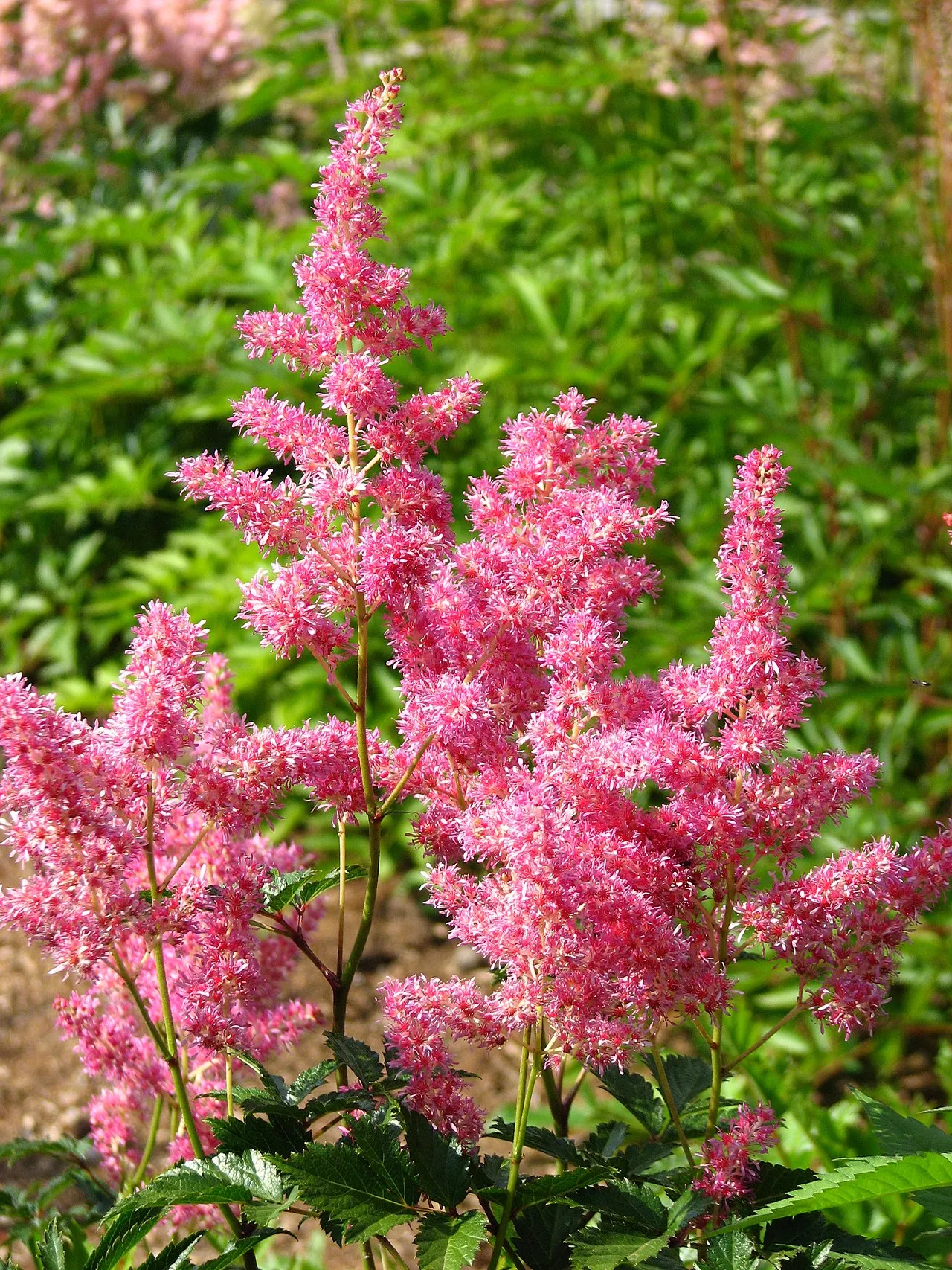
Astilbe is one of the few perennials that genuinely flowers in shade, which is why it gets planted in the hardest place in the garden — dry shade under a tree — and why it so often looks terrible by midsummer.
The plant is not the problem. The siting is.
Moisture first, shade second
This is the reframe that makes astilbe easy.
Iowa State Extension is direct that fertile, moist, humus-rich soil is a must, and that astilbes need a consistent supply of moisture to prevent browning of the leaf margins.
More pointedly: astilbes are unforgiving in dry soils, and the leaves brown quickly. Foliage decline follows hot summers or dry spells whenever the soil is not kept moist.
So the question to ask before planting is not “is this spot shady enough” but “will this spot stay damp in August.” A moist, part-shaded border is ideal. Damp ground beside a downspout or a pond edge is better still. Dry shade under a mature maple, where the tree takes every drop of water first, is the one place astilbe will consistently fail.
They do not, however, want to be waterlogged — Iowa State notes they tolerate neither standing water nor heavy clay. Moist and well-structured, not swampy.
Light
Light or partial shade gives the best results, and this is where astilbe earns its place: showy flower plumes in a spot where most perennials only give you foliage.
In cooler climates astilbe takes more sun, provided the soil stays wet — sun tolerance and water supply trade off against each other. In hot regions, shade is essential.
Brown leaf edges are the diagnostic
If you learn one symptom for this plant, learn this one. Browning leaf margins mean the soil dried out.
It is not a disease, it is not a fungus, and no spray will fix it. The plant is telling you its roots ran short of water, usually days before you noticed. Damaged foliage does not recover, though the plant will push fresh growth once conditions improve.
Prevention is the only treatment: mulch generously, water through dry spells, and improve the soil with organic matter so it holds moisture in the first place.
Feeding and soil improvement
Iowa State’s recommendation is pleasantly low-effort: annual additions of compost or organic matter around the base are rewarded with more blooms and better foliage.
For fertiliser, feed in spring with a slow-release product at label rates — a 3-1-2 ratio is preferred.
The compost is doing double duty. It feeds the plant, and it raises the soil’s water-holding capacity, which is the actual constraint.
Extending the display
Astilbe cultivars bloom at noticeably different times, and Iowa State’s suggestion is to exploit that: plant a mix of early, mid and late-season cultivars rather than a block of one.
A single cultivar gives you two or three good weeks. A planned mix gives you most of the summer, in a part of the garden that otherwise has little going on.
Leave the spent plumes standing rather than cutting them — they dry to a rust-brown and hold their shape into winter, which is one of the better structural effects available in a shade border.
Dividing
Every three to four years, in early spring or fall, if needed.
Astilbe clumps push slowly upward over time, and the crown can end up sitting proud of the soil with roots exposed. That is the signal to lift and divide. After dividing, Iowa State advises watering and mulching well to help establishment — newly divided plants are even more drought-sensitive than established ones.
The short version
Moist, humus-rich soil in light or partial shade, mulched and topped with compost every year. Brown leaf edges mean it went dry, and nothing else. Plant early, mid and late cultivars together for a long display, divide every three to four years, and never put it in dry shade under a tree.
- astilbe
- shade gardening
- moisture
- leaf scorch
- dividing