Flowering Shrubs
How to Grow and Care for Gardenia
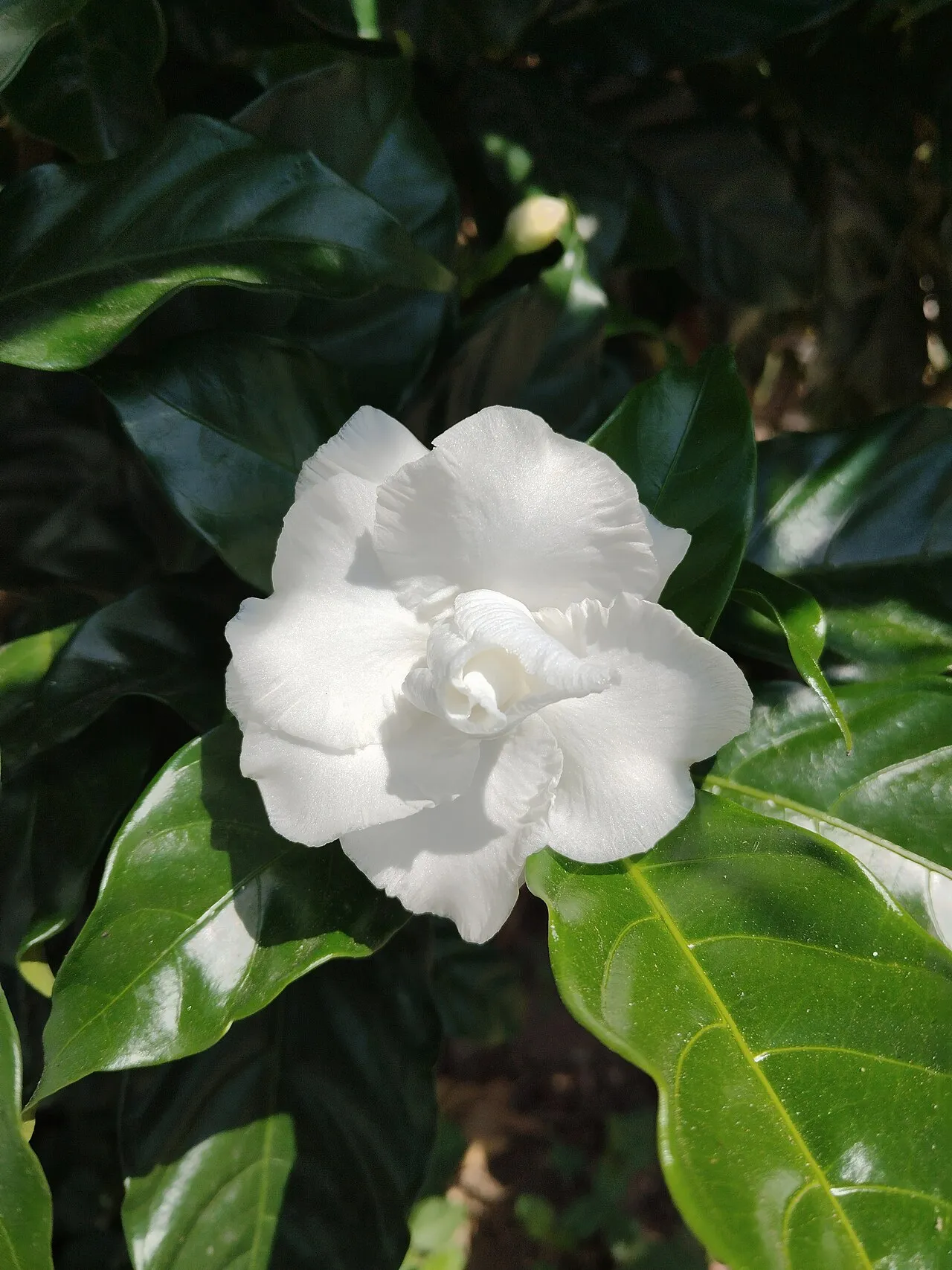
Gardenias drop buds and yellow their leaves for specific, diagnosable reasons. Here is what each symptom means, plus the pH and night temperatures they need.
The Garden Magic Hub
- Zone
- 7–10
- Light
- Partial sun
- Water
- Moderate
- Level
- Advanced
On this page
Gardenias have a reputation for being temperamental, which is fair but incomplete. They are demanding about a short list of specific things, and almost every failure traces back to one of them. Work through the list and they are manageable.
Where they are hardy
Clemson HGIC puts most older cultivars at USDA zone 8, with many newer and smaller varieties tolerating zone 7a.
One counterintuitive detail worth knowing before you buy: dwarf cultivars are often more cold sensitive, not less. A compact gardenia is not automatically the tougher choice.
Even within their range, a severe winter can kill a gardenia to the ground — Clemson notes this happens in the South Carolina Upstate — though established plants often regenerate from the base in spring. If you are at the cold edge, ‘Kleim’s Hardy’ and ‘Chuck Hayes’ are the cultivars Clemson names for cold tolerance. ‘August Beauty’, ‘Mystery’ and ‘Frost Proof’ are the other standards.
Light
Not full sun, and not shade. Clemson’s placement is light to partial shade, preferably with morning sun and afternoon shade.
That combination is doing real work. Morning sun drives flowering; afternoon shade prevents the leaf scorch and heat stress that full southern sun produces. A gardenia in deep shade will grow but flower poorly.
Soil, and the pH that decides everything
Gardenias need acid soil, below pH 6.0, in moist but well-drained ground with plenty of organic matter — compost or composted pine bark. Mulch with 2 to 3 inches of pine straw, compost or ground bark.
The pH requirement is not a nicety, and it explains the most common complaint about the plant.
Yellow leaves: check what is nearby
When a gardenia yellows on its new foliage while the veins stay greener, that is iron deficiency — and the cause is usually soil chemistry rather than a lack of iron in the ground.
Clemson names the two classic triggers, and both are avoidable: planting near new concrete, which leaches lime and raises pH, and liming the soil. A gardenia in a foundation bed beside a fresh concrete path or a new drive is a textbook case.
The immediate fix is a chelated iron or minor-elements product. The actual fix is correcting the pH, because iron applied to alkaline soil keeps locking up and you will be reapplying forever.
Note that yellowing on old leaves, especially in spring as new growth appears, is often just normal leaf turnover on an evergreen. Position on the plant is the diagnostic.
Bud drop: usually temperature
Fat buds that yellow and fall before opening are the other signature gardenia complaint. Clemson lists the causes as low humidity, overwatering, underwatering, insufficient light, and incorrect night temperatures.
The last one is the most specific and the most often missed: night temperatures between 50 and 55°F are necessary for the formation of flower buds. Warm nights prevent buds forming in the first place, which is a large part of why gardenias are so difficult as houseplants — a heated room does not deliver that.
If your plant is outdoors in the right zone and still dropping buds, work through watering consistency first. Gardenias dislike drying out and dislike sitting wet, and swinging between the two is a reliable way to lose a flush of buds.
Watering
Water weekly during summer drought. Clemson recommends drip irrigation specifically to keep water off the foliage and flowers, which reduces leaf spot — gardenia petals also mark badly when wetted.
Feeding, and when to stop
Use an acid-forming fertiliser at roughly a 2-1-1 ratio, applied in spring after frost, and again about six weeks later.
Then stop. Clemson is explicit: do not fertilise in fall. Late feeding pushes tender new growth that has not hardened off, and that growth is damaged by temperatures below 15°F. On a plant already sitting near its cold limit, an autumn feed is how you turn a survivable winter into a dead shrub.
Pests
Whiteflies are the most common problem — tiny white insects that lift off the plant in a cloud when disturbed. Treat with insecticidal soap or horticultural oil sprayed on the leaf undersides, where they actually live.
Aphids respond to the same treatment. Sooty mold — a black coating on the leaves — is not itself an infection but a fungus growing on the honeydew that whiteflies and aphids excrete. It clears once you control the insects producing it; spraying the mold accomplishes nothing.
Root rot in poorly drained soil and nematodes in sandy soil round out the list, and both are site problems rather than treatable diseases.
The short version
Morning sun and afternoon shade, acid soil below pH 6.0, consistent water, and feeding only in spring. If new leaves yellow, look for concrete or lime. If buds drop, look at night temperatures. Keep it away from anything that raises pH and it is far less temperamental than its reputation.
- gardenia
- acid-loving plants
- bud drop
- yellow leaves
- whiteflies