Peppers
How to Grow and Care for Anaheim Pepper
Anaheims are mild chiles that crop heavily if you get soil temperature, nitrogen and steady watering right. Here is the schedule and the three things that go wrong.
The Garden Magic Hub
- Zone
- 4–11 (grown as an annual)
- Light
- Full sun
- Water
- Moderate
- Level
- Intermediate
- Season
- Summer
On this page
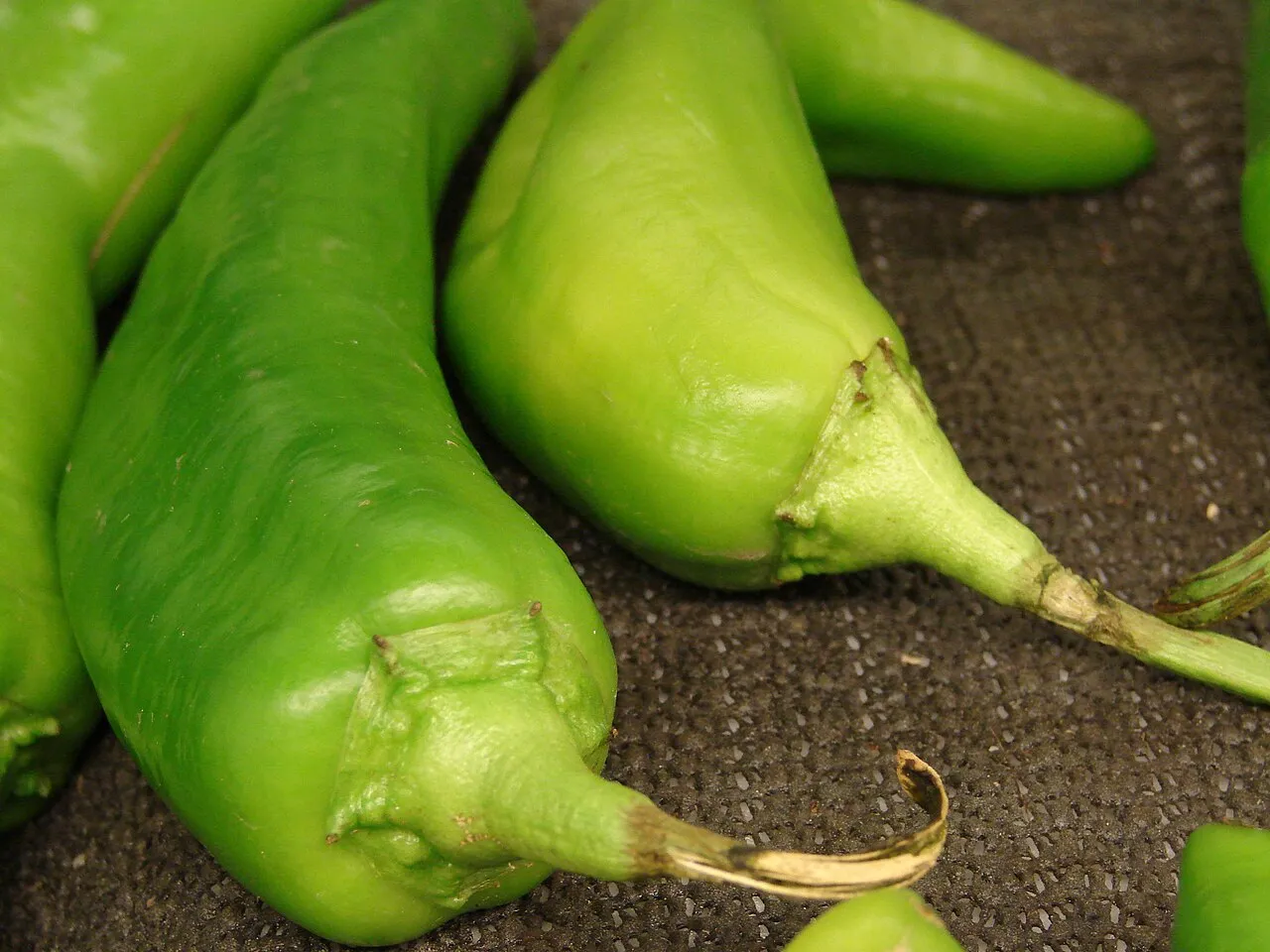
The Anaheim is the chile for people who want chile flavour without much heat. Michigan State Extension puts it around 1,000 Scoville heat units — hotter than a bell pepper, several times milder than a jalapeño, and mild enough to eat whole as a chile relleno.
It is a Capsicum annuum cultivar, so everything below applies to peppers generally.
Warmth is the whole game
Peppers are a warm-season crop and they are unforgiving about it. Clemson HGIC gives the target as 70 to 85°F during the day and 60 to 70°F at night.
Start seed indoors 6 to 8 weeks before your last frost date, and set transplants out only after the soil has thoroughly warmed. A pepper transplanted into cold soil sits and sulks — it does not die, but it stalls for weeks, and a plant set out two weeks later into warm ground routinely overtakes it.
Space plants 12 to 18 inches apart. Clemson gives 12 inches in rows 3 feet apart; Michigan State suggests 18 inches in rows 24 inches or more for home gardens. Either works — the wider end gives better airflow, which matters in humid climates.
Soil
Well-drained loamy soil at pH 6.0 to 6.5.
One rotation rule is worth following strictly: do not plant peppers where eggplant, tomatoes, potatoes, tobacco or peppers grew recently. Clemson recommends not returning any of these to the same spot more than once every three years. They share soilborne diseases, and bacterial wilt in particular is untreatable once established.
Nitrogen: the mistake that produces beautiful, fruitless plants
Clemson’s diagnostic line is worth memorising: “Plants that have a great deal of foliage but few blooms and fruit indicates over-fertilization of nitrogen.”
This is the single most common pepper complaint, and it comes from treating peppers like leafy crops. Feed at planting per a soil test, then side-dress with calcium nitrate — Clemson’s home-garden rate is ½ pound of calcium nitrate per 100 square feet at 3 to 4 weeks after planting, repeated later.
If your plants are dark green, waist-high and flowerless, stop feeding them.
Watering, and the two problems it causes
Water enough to moisten the soil 6 inches deep, and during fruit development keep it uniform — Clemson is explicit not to let the soil dry out between waterings.
Inconsistency causes both of the classic pepper disorders:
Blossom end rot is a sunken dark leathery patch on the bottom of the fruit. It is a calcium delivery problem rather than a calcium shortage: in Clemson’s words, “if the water supply is interrupted, calcium is unable to be absorbed by the plant.” Consistent moisture is the fix. Adding calcium to soil that already has enough does nothing.
Blossom drop is flowers falling without setting fruit. The main trigger is heat — blossoms often drop when day temperatures exceed 90°F — and a water shortage at bloom time does the same thing.
The heat version is worth understanding because it looks like failure and is not. A plant dropping flowers in a July heatwave will usually set a heavy crop when temperatures moderate. Keep it watered and mulched and wait, rather than fertilising or replanting.
Harvest
Peppers mature in 70 to 85 days after transplanting, or 100 to 120 days from seed.
Anaheims are usually picked green, at 6 to 8 inches, when the fruit feels firm and the walls have thickened. Left on the plant they turn red, sweeten, and gain a little heat — both stages are worth having, but leaving fruit to ripen slows further production, so pick most green and let a few colour up.
Cut the stems rather than pulling. Clemson’s reason is practical: pepper branches are brittle and pulling tears them off.
Stored at 45 to 50°F and 80 to 90 percent humidity, peppers keep two to three weeks. Anaheims also dry and roast well, which is the usual answer to a glut.
Pests and diseases
Aphids, thrips and caterpillars are the common pests. Bacterial wilt, leaf spot and anthracnose are the diseases to know, and crop rotation is the main defence against all three.
Sunscald — pale, papery, blistered patches on the fruit — happens when fruit is exposed to direct sun after the foliage that shaded it is lost or pruned away. Do not strip leaves off a fruiting pepper.
The short version
Warm soil, full sun, 12 to 18 inch spacing, and pH around 6.0 to 6.5. Go easy on nitrogen, water consistently, and expect flowers to drop above 90°F without treating it as a problem. Pick green at 6 to 8 inches by cutting, not pulling, and rotate out of the nightshade family for three years.
- anaheim pepper
- chile peppers
- blossom drop
- blossom end rot
- crop rotation