Fruit Trees
How to Grow and Care for Avocado
The pit in a glass of water will grow a tree, but it will not give you avocados. Here is what actually fruits, how long it takes, and the A and B flowering types.
The Garden Magic Hub
- Zone
- 9–11
- Light
- Full sun
- Water
- Moderate
- Level
- Advanced
On this page
Almost everyone’s first avocado is a supermarket pit suspended over a glass with toothpicks. It works — the seed germinates readily — and then the honest part of the story begins.
The pit will grow. It will not fruit.
NC State Extension confirms both halves: avocado seeds “germinate quickly and easily” in two to six weeks, and seed-grown avocados kept as houseplants “will not produce fruit.”
There are two separate reasons, and it is worth keeping them apart.
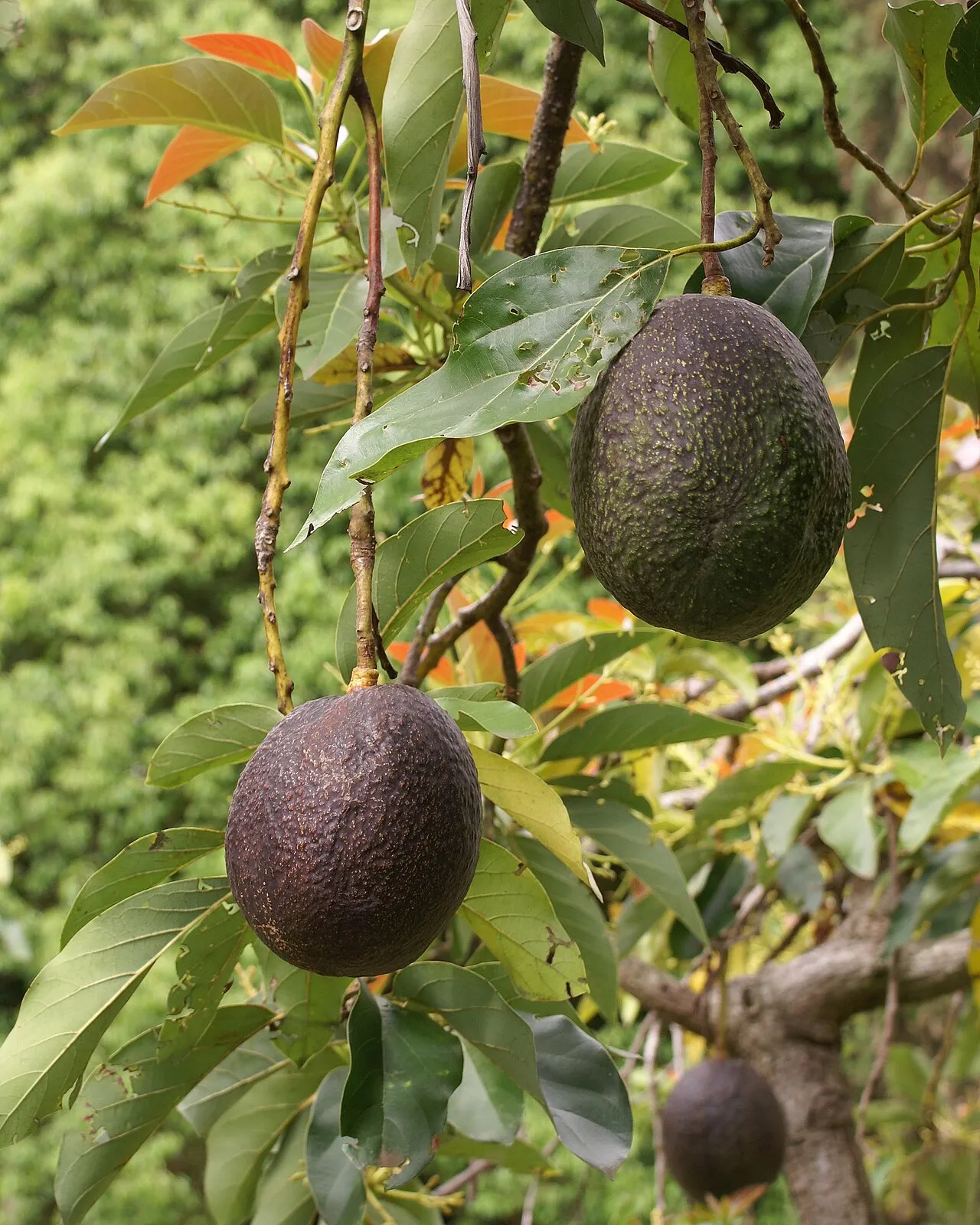
The plant is in the wrong conditions. An avocado is a tree that reaches 30 to 60 feet tall and 20 to 30 feet wide. A pot in a living room does not produce the size, light or maturity needed to flower.
The seedling is not the variety you ate. Avocados do not come true from seed. As UC Cooperative Extension puts it, seed-grown plants “usually do not produce fruit which is true to the parent variety.” Every commercial avocado is grafted for exactly this reason.
So growing a pit is a fine houseplant project. If you want avocados, buy a grafted tree.
Where it can actually grow outdoors
Zones 9a through 12b, and NC State is blunt that the tree “will not tolerate frost.” That confines outdoor avocado growing in the continental US to southern California, southern Florida, south Texas and comparable pockets.
If you are near the edge, the dwarf ‘Wurtz’ (sold as Little Cado) is the usual recommendation, tolerating temperatures down to around 25°F with wind and frost protection, and staying small enough for a large container.
Site and soil
Full sun — six or more hours — though the tree takes light shade.
Drainage is the thing that kills avocados. They want organically rich, evenly moist, well-drained soil, and they are notably intolerant of waterlogging; root rot is the standard cause of death, in the ground and in pots alike. Avocados are famously prone to Phytophthora root rot in heavy or poorly drained soil, so plant on a mound or slope if you have any doubt.
Soil pH is one of the few things they are relaxed about, tolerating acid through alkaline.
How long until fruit
For a grafted tree: most cultivars will not flower until the third year after planting, bear a few fruit around year three, and reach a full crop at four to five years. Some are quicker — ‘Gwen’ and its relatives such as ‘Lamb Hass’ often flower in the second year.
A grafted ‘Wurtz’ can fruit within one to two years of planting, which is part of its appeal for impatient gardeners.
For a seedling, if it ever fruits at all, expect a much longer wait and unpredictable quality.
Type A and Type B flowers, explained simply
This is the piece of avocado growing that sounds complicated and is not.
Every avocado flower is both male and female, but not at the same time — the plant staggers the two phases across two days to encourage cross-pollination. Cultivars fall into two groups depending on the order:
- Type A — functionally female on the morning of the first day, functionally male on the afternoon of the second.
- Type B — functionally female on the afternoon of the first day, functionally male on the morning of the second.
An A-type shedding pollen in the afternoon therefore lines up with a B-type that is receptive in the afternoon, and vice versa. Planting one of each improves fruit set substantially.
Whether you need two trees is the practical question, and the honest answer is that a single tree usually sets some fruit on its own — the two-day cycle overlaps enough in warm weather, and it depends on temperature. Two trees of opposite types set considerably more. If you only have room for one, you will still get avocados; if you have room for two, choose an A and a B.
Note the temperature dependency in the flowering behaviour: the sequence runs to schedule “if the weather is warm.” Cool spring weather disrupts the timing and is a common reason for poor fruit set in marginal climates.
The disease to know about
Laurel wilt is a serious threat to avocados, spread by an introduced ambrosia beetle. NC State’s note on it is stark: infected “trees often die within 4 to 8 weeks.”
There is no home treatment. It is a reason to buy from reputable local nurseries, to avoid moving avocado or other laurel-family wood between regions, and to report suspected cases to your county extension office rather than dealing with it yourself.
The short version
The pit in the glass is a houseplant, not an orchard. Outdoors, you need zone 9 or warmer, full sun, and drainage above everything else. Buy a grafted tree, expect three to five years to a real crop, and plant an A type and a B type together if you have the space.
- avocado
- fruit trees
- grafting
- pollination
- subtropical fruit