Fruit Trees
How to Grow and Care for a Lemon Tree
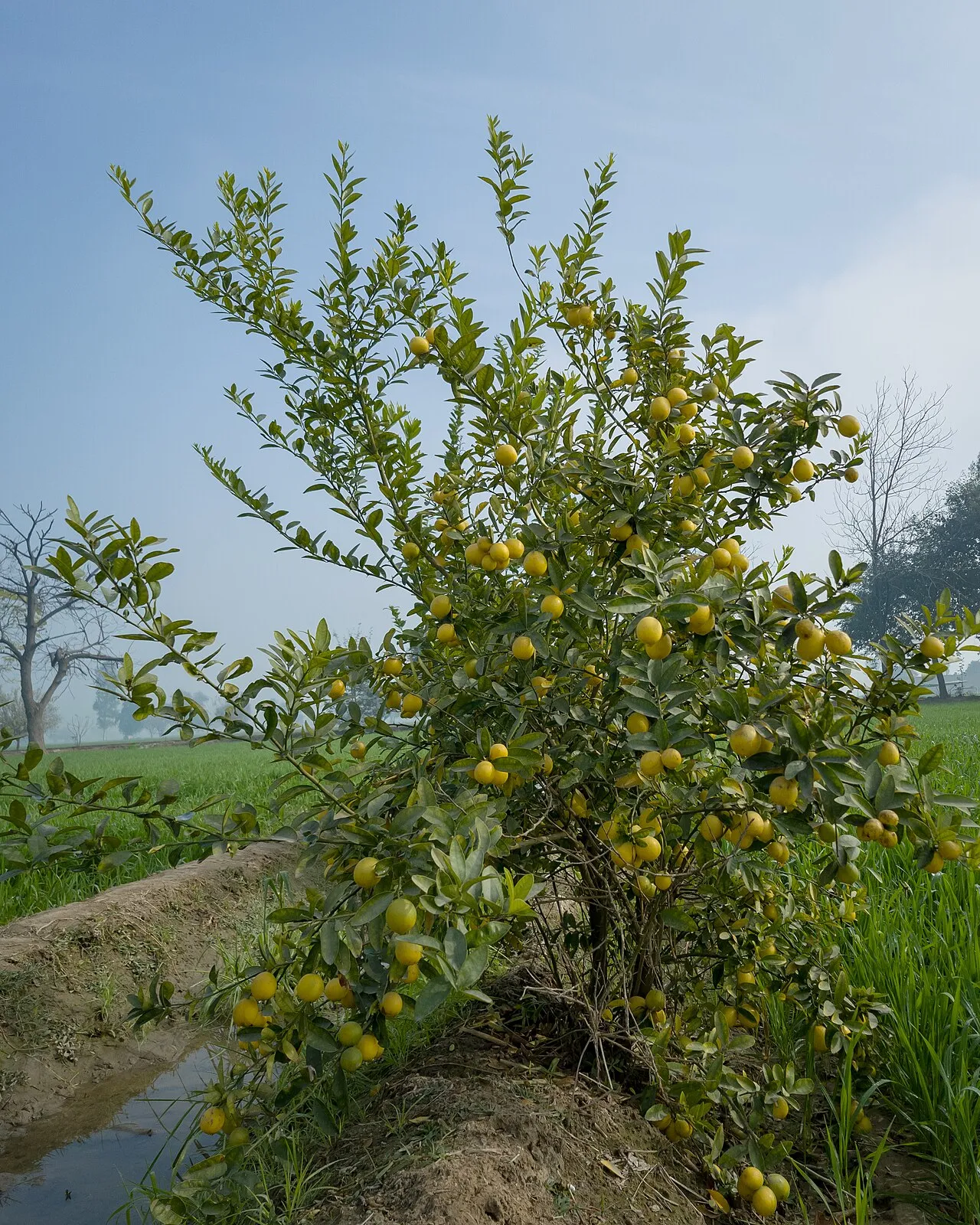
Meyer is the lemon most home growers should buy — hardiest, container-sized, and fruiting young. Here is how to plant, protect and prune one.
The Garden Magic Hub
- Zone
- 9–11
- Light
- Full sun
- Water
- Moderate
- Level
- Intermediate
On this page
Lemons are the most forgiving citrus for a home grower, and they fruit sooner than the rest. The main decision happens before you plant anything: which lemon you buy.
Buy a Meyer unless you have a reason not to
The lemons in supermarkets are Eureka and Lisbon types — true lemons, sharply acidic, and the more cold-tender of the group.
Meyer lemon is something else. UC Master Gardeners describe it as thought to be a cross between a lemon and a mandarin or tangerine, producing fruit that is richer, more orange-yellow, thinner-skinned and less acidic than a market lemon.
For a home garden it wins on three counts:
- It is the most cold-hardy lemon with palatable fruit.
- It stays small enough for a container, which is what makes lemon growing possible outside the citrus belt.
- It flowers and fruits simultaneously, even on very young trees — so you are not waiting years for a first crop.
The trade-off is that a Meyer is not a substitute for a Eureka in a recipe calling for sharp acidity. Most people find that a feature.
How long until fruit
Lemons need 1 to 3 years to overcome juvenility — noticeably faster than other citrus. Buying a larger specimen shortens the wait further.
That is for a grafted tree, which is what nurseries sell. A lemon grown from a supermarket pip may take many years, and will not be the variety you ate.
The graft line, which people ruin trees by ignoring
Every bought citrus is grafted onto a rootstock, and there is a visible union low on the trunk.
Remove any growth that appears below the graft line. UC’s warning explains why this matters more than it sounds: branches from the rootstock will dominate the tree but will not bear fruit. A vigorous rootstock shoot left in place gradually takes over, and eventually you have a thriving thorny tree that produces nothing usable.
Check the base a few times a year and rub off low shoots while they are soft.
Container growing
This is how most people outside zones 9–11 succeed.
UC gives a workable size: an outdoor container 16 inches high and wide will support a Meyer lemon. Use a light, porous soil mix — citrus will not tolerate a dense, water-retentive potting compost.
Feed 2 to 3 times per year, starting in spring, preferably with a slow-release product at label rates. Citrus are heavy feeders and hungry for nitrogen and micronutrients; yellowing between the veins on a container lemon usually means it is short of iron or magnesium rather than water.
The container plan is to stand the tree outside in full sun through the warm months and move it under cover before hard frost.
Cold protection
Meyer lemons withstand brief dips to 20°F, which is generous for citrus but not a licence to leave one out through a northern winter.
For trees in the ground at the cold edge of their range, UC suggests covering the canopy during severe cold spells, or stringing non-LED holiday lights through the branches. That last detail is worth reading carefully: non-LED. Old-style incandescent bulbs give off heat, which is the entire point. LED strings give off almost none and will not protect anything.
Cover the whole canopy to the ground where possible, so the covering traps warmth rising from the soil rather than just wrapping cold branches.
Site and soil
Full sun — six hours minimum, more is better. Fruit quality drops noticeably in part shade.
Well-drained soil is essential. Citrus roots will not tolerate waterlogging, and root rot is a common cause of decline in heavy ground. Plant slightly high on a mound if drainage is doubtful.
Water deeply and let the top few inches dry between waterings. Container trees need checking often in summer; erratic watering causes fruit drop and split fruit.
Pruning
Lemons need less pruning than most fruit trees. Take out dead, crossing and inward-growing wood, keep the centre reasonably open, and shorten anything that unbalances the shape.
Do not prune hard in autumn — new growth stimulated late will be soft going into cold weather. Late winter to early spring, after the worst cold has passed, is the safer window.
The short version
Buy a grafted Meyer for cold hardiness, container size and early fruit. Full sun, porous free-draining mix, feed two or three times a year from spring. Rub off every shoot below the graft line. Expect fruit in one to three years, and if a hard freeze is forecast, cover the canopy or string incandescent lights — not LEDs.
- lemon tree
- meyer lemon
- citrus
- container growing
- cold protection