Vegetable & Fruit Gardening
Why Tomato Plants Flower but Set No Fruit
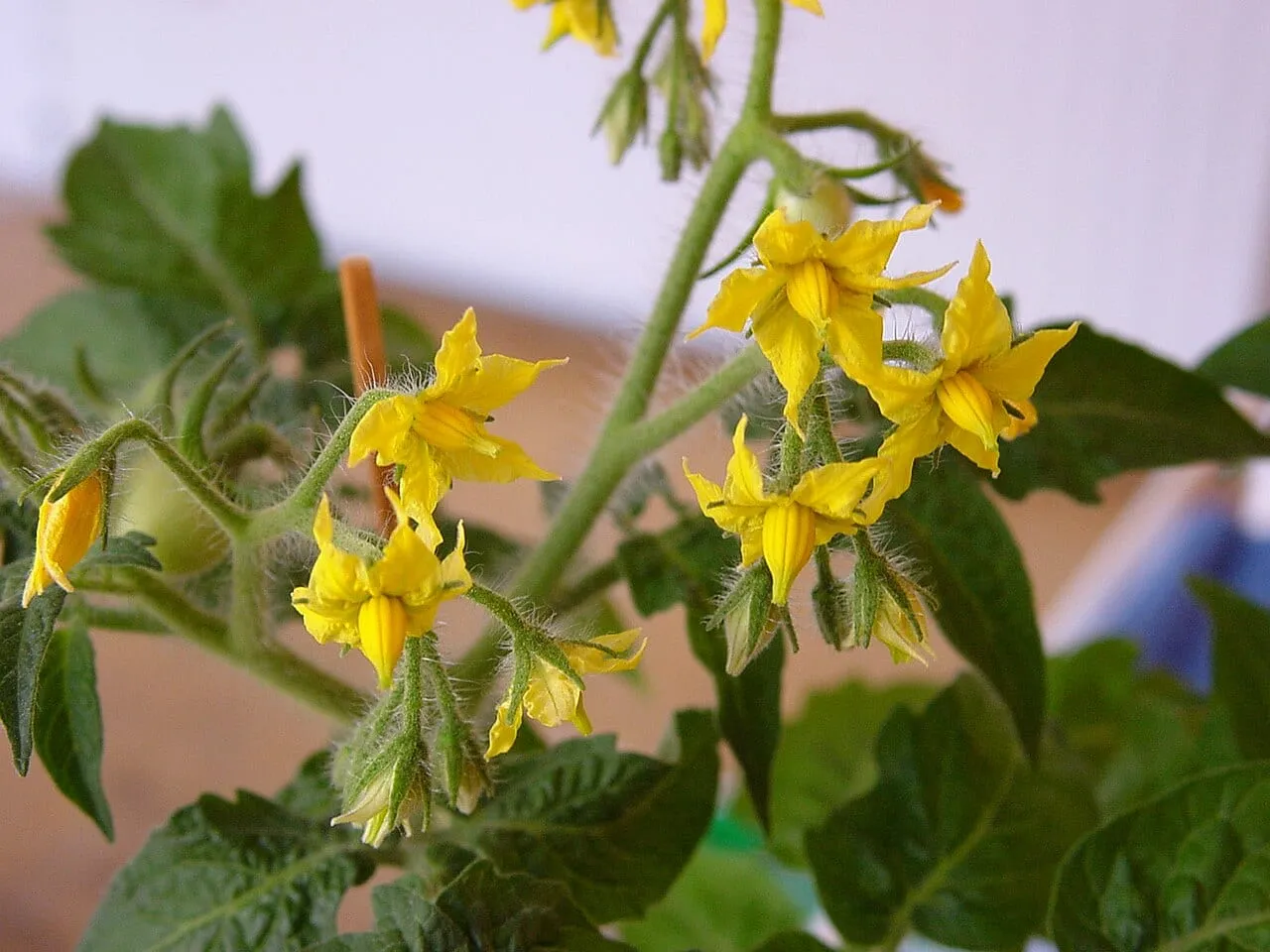
Tomato flowers drop without setting when it is too hot, too cold, or too shaded. How to identify the cause and improve the set.
The Garden Magic Hub
- Light
- Full sun
- Water
- Moderate
- Level
- Intermediate
- Season
- Summer
On this page
Temperature is the usual answer
A tomato that flowers heavily and sets nothing is nearly always being told by the weather that conditions are wrong.
Clemson HGIC gives the window plainly: “blossoms drop off without setting fruit when temperatures are below 55 °F or above 90 °F for extended periods.”
Those two numbers explain most cases. Flowers that open during a cold snap in early season, or during a run of 90°F-plus days in midsummer, abort and drop. The plant looks healthy the whole time, which is what makes it confusing — nothing is wrong with the plant.
Why heat in particular does it
Tomato flowers are self-pollinating and rely on vibration to shake pollen loose. Sustained high temperatures interfere with pollen viability, so a flower can be perfectly well pollinated mechanically and still fail to set.
This is why a midsummer gap in fruiting is common even in a well-watered, well-fed plant, and why fruit set often resumes on its own when night temperatures come down in late summer.
The three causes that are not temperature
Clemson lists three more, and all are fixable.
Dry soil. Blossoms dry and fall when the plant cannot supply them. This compounds heat stress, because the days that are too hot are also the days the soil dries fastest.
Not enough sun. Clemson puts the threshold at fewer than six hours daily. A plant that has been gradually shaded by something growing next to it will flower and drop rather than fruit.
Too much nitrogen. Excess nitrogen “promotes leaf growth at the expense of flowering.” A large, lush, dark green plant with few flowers and no fruit is the signature. This is the one people cause themselves, usually by feeding a general-purpose high-nitrogen fertiliser all season.
What actually helps
Water deeply and consistently. Once a week, thoroughly, during dry weather — enough to reach the root zone rather than a daily sprinkle that wets the surface.
Mulch. Same reason as for blossom end rot: it dampens the moisture swings and keeps soil temperature down.
Stop feeding nitrogen once flowering begins. Switch to something with more phosphorus and potassium relative to nitrogen.
Shade during extreme heat. Shade cloth over a run of 95°F days is legitimate and effective in hot climates.
Wait. This is the honest advice for a midsummer heat gap. Set will resume when the weather does.
What does not help
Tapping or shaking flower trusses is often recommended to improve pollination. It does help when the problem is genuinely still air — under cover, in a greenhouse, or on a balcony with no breeze. It does nothing at all when the pollen has been made unviable by heat, which is the more common cause outdoors.
Know which problem you have before adopting the ritual.
- tomato
- fruit set
- pollination
- temperature