Wildlife Gardening
Host Plants and Nectar Plants Are Not the Same Thing
Nectar feeds adult butterflies; host plants feed caterpillars. A garden with only one supports far less than it looks like it does.
The Garden Magic Hub
- Level
- Intermediate
On this page
Two different jobs
A butterfly garden has to feed two entirely different animals that happen to be the same species at different stages.
Nectar plants feed adult butterflies. They are generalists — most adults will take nectar from a wide range of flowers.
Host plants feed caterpillars. They are usually specialists, and often extremely narrow.
A garden with only nectar plants is a filling station. Adults visit, feed, and leave to breed somewhere that has what their offspring need. Nothing is produced there.
Monarchs are the clearest example
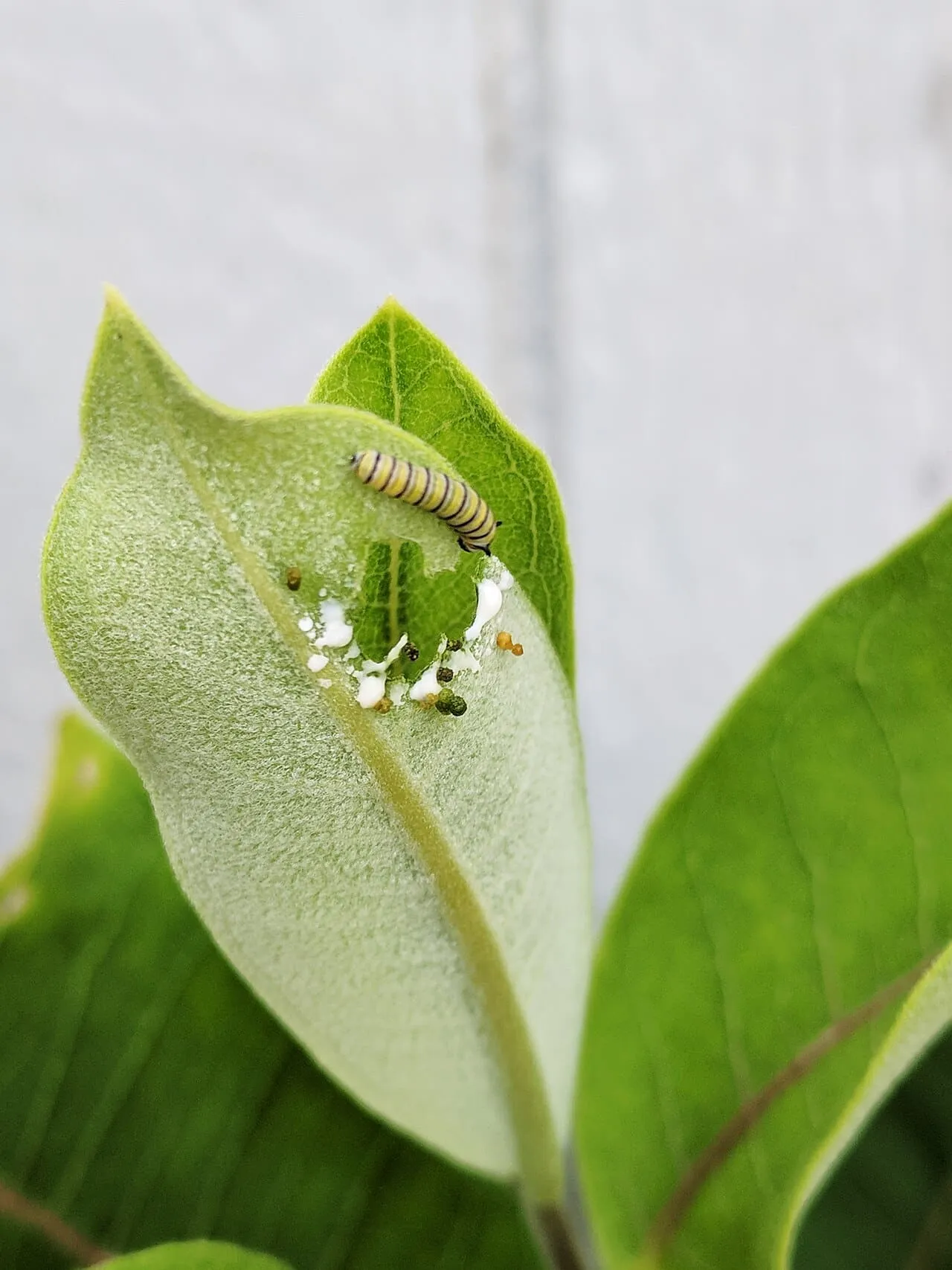
Clemson HGIC states it plainly: the monarch caterpillar feeds exclusively on milkweed, Asclepias species.
Not preferentially. Exclusively. A garden with every nectar plant available and no milkweed cannot produce a single monarch. Adults will visit your buddleja, feed, and go elsewhere to lay.
This is why “plant milkweed” is the specific advice rather than “plant flowers for butterflies.”
You do not need much
A reassuring point from Illinois Extension: a huge patch of milkweed is not necessary — a small patch can be a genuine resource.
Illinois also makes a recommendation worth following: plant several species rather than one, because each has a distinct phenology and bloom time, giving season-long support.
Commonly available options include common milkweed (Asclepias syriaca), butterfly weed (A. tuberosa), swamp milkweed (A. incarnata) and prairie milkweed. Butterfly weed is the best behaved in a border; common milkweed spreads vigorously and is better in rough ground.
One caution. Tropical milkweed (A. curassavica) is widely sold and is a poor choice in warmer regions, where it persists through winter instead of dying back and has been linked to disrupted monarch migration and parasite build-up. Choose species native to your area.
It is not only monarchs
The same logic applies across the board, and most gardeners already grow host plants without realising it.
- Swallowtails use parsley, dill, fennel and carrot family plants.
- Fritillaries use violets.
- Painted ladies use thistles and mallows.
- Many moths and butterflies use native trees — oaks support an enormous number of caterpillar species.
If you grow parsley and it gets eaten by striking black, white and yellow caterpillars, that is a swallowtail. The correct response is to plant more parsley next year, not to spray.
Which means accepting damage
This is the part that requires a decision.
Host plants exist to be eaten. Milkweed supporting monarchs will look chewed. Parsley supporting swallowtails will be stripped.
A butterfly garden with immaculate foliage is not working. Plant enough that you can spare some, put host plants where their condition matters less than the border front, and leave the caterpillars alone.
And no insecticides — including Bacillus thuringiensis, which is often recommended as a safe organic option and kills caterpillars indiscriminately, including the ones you planted for.
- butterflies
- host plants
- caterpillars
- nectar