Native Perennials
How to Grow and Care for Anise Hyssop
Anise hyssop is neither anise nor hyssop. It is a native prairie mint that flowers from July to frost, feeds pollinators, and deer leave alone.
The Garden Magic Hub
- Zone
- 4–8
- Light
- Full sun
- Water
- Low
- Level
- Beginner
- Season
- Summer, Fall
On this page
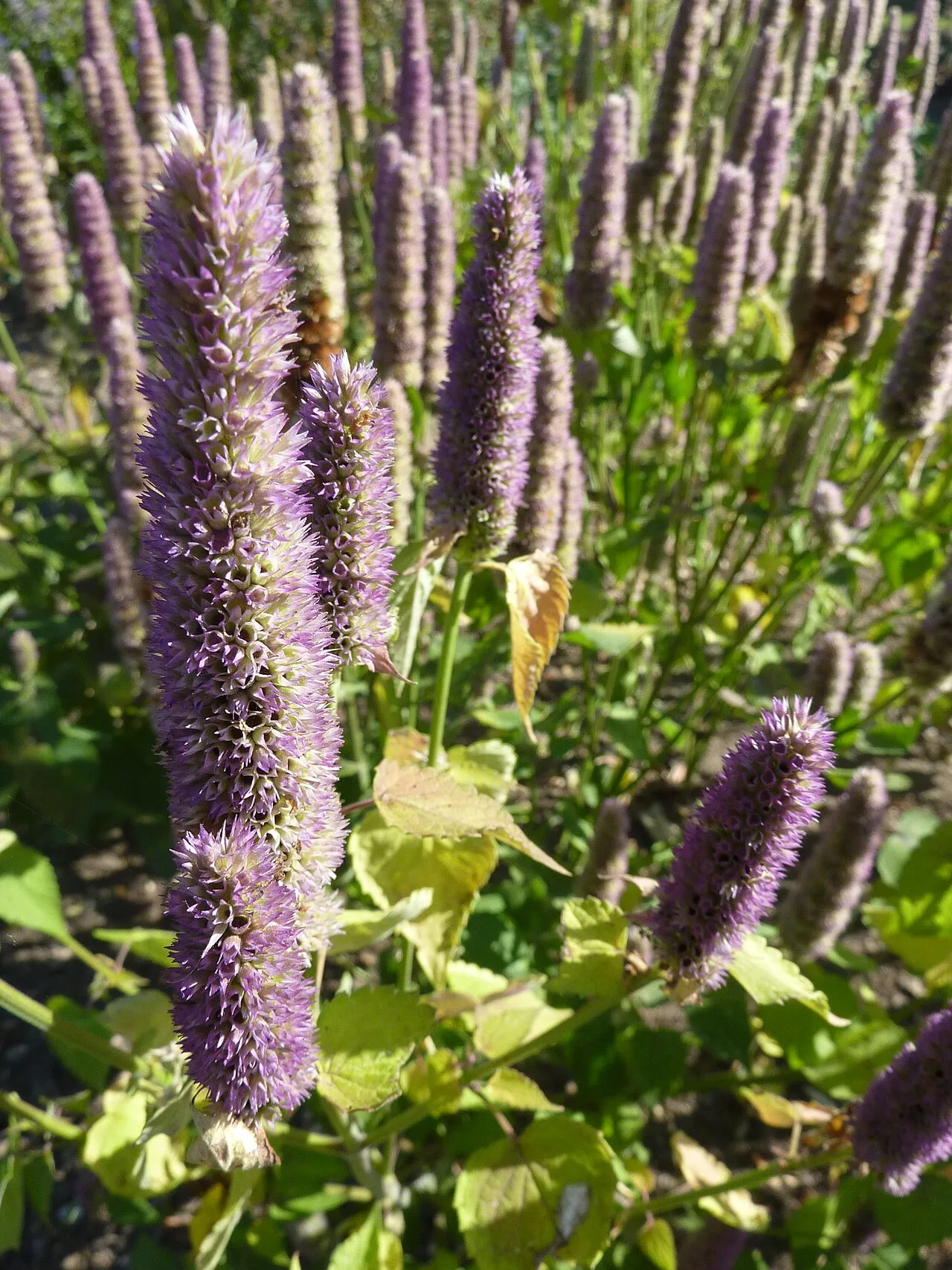
Anise hyssop has one of the more misleading names in gardening. It is not anise, and it is not hyssop. It is Agastache foeniculum, a mint-family perennial native to the Midwest and prairies of North America — and it is one of the best pollinator plants available to US gardeners.
The USDA PLANTS Database records it as native across the lower 48 and Canada, which matters if you are planting deliberately for wildlife rather than just for looks.
Why it is worth the space
Three things set it apart from most perennials.
The bloom season is exceptionally long. NC State Extension gives flowering as starting in late July and continuing until late autumn. Most perennials give you two or three weeks; this gives you three months, arriving exactly when early-summer borders start to look tired.
It is a serious pollinator plant. It attracts bees, butterflies and birds — bees in particular work the spikes constantly. The long season is part of the value here too, since late-season nectar is scarcer than midsummer nectar.
Deer and rabbits leave it alone. NC State lists it as resistant to both. Like most aromatic mint-family plants, the foliage is unpalatable to browsers, which makes it genuinely useful in gardens where hostas and daylilies get eaten to the ground.
The leaves smell strongly of liquorice or anise when crushed, which is where the misleading name comes from, and they are edible — used for tea.
Sun and soil
Full sun gives the best flowering and the sturdiest stems; it tolerates partial sun with 2 to 6 hours.
Soil is easy — loam, sand, or shallow rocky ground all work, and NC State describes its moisture preference as mesic to dry with good drainage. It is drought tolerant once established.
What it does not tolerate is wet feet, and this is the one thing that will kill it.
Winter wet is the failure mode
NC State’s phrasing is worth reading closely: it “usually overwinters well if the soil is well-drained.” That conditional is doing real work.
Crown and root rot develop in poorly drained soils, and it happens over winter when the plant is dormant and the ground is cold and saturated. An anise hyssop that thrived all summer and never reappeared in spring almost certainly drowned rather than froze.
If your soil is heavy, plant it high, improve drainage, or site it on a slope. Do not mulch heavily right up against the crown.
Size and spacing
3 to 5 feet tall and 1.5 to 3 feet wide, spaced 12 to 36 inches apart.
That height surprises people who bought a small plant in a 9cm pot. Put it toward the back of a border, or use it in a meadow-style planting where it can stand among grasses. In very rich soil or too much shade it can flop; lean soil and full sun keep it upright.
Named cultivars are worth knowing: ‘Blue Fortune’ is a widely grown lavender-blue selection, and ‘Golden Jubilee’ has gold-chartreuse foliage that carries the plant when it is not in flower.
It self-seeds
“It will self-seed in the garden,” in NC State’s words, and reliably so.
Whether that is a feature or a nuisance depends entirely on your garden. In a meadow, prairie planting or informal border it is exactly what you want — seedlings fill gaps and the colony persists even as individual plants age out. In a tightly controlled formal bed it means weeding out volunteers each spring.
If you do not want seedlings, cut the spent flower spikes before the seed ripens. If you do want them, leave the seedheads standing over winter — they hold their shape well in frost and birds feed on the seed, which is a second wildlife benefit for doing nothing.
Self-seeding also quietly solves the plant’s other limitation. Individual plants are not especially long-lived, and a self-sustaining colony outlasts any one crown.
Problems
Beyond the crown and root rot already covered, NC State names rust, powdery mildew and leaf spots. All three are more likely on crowded plants in still, humid air, so spacing at the wider end of the range is worth doing in humid climates.
The short version
Full sun, soil that drains — especially in winter — and no feeding. It will reach four feet, flower from late July until frost, feed bees the whole time, and be ignored by deer. Let it seed if you can, and it will look after itself.
- anise hyssop
- agastache
- native plants
- pollinators
- deer resistant